



About Us
Projects Contact / Get a Quote

Double Glazed Glass (DGU): Insulated Glass Units for Energy-Efficient Buildings

Low-E coated, argon-filled double glazed units for thermal and acoustic insulation. ECBC 2017 compliant. 12,500 sqm/month capacity, processed in Bangalore.

Thermal insulation
U-value Below 2.0
With Low-E Coating
Unit thickness range
Up to 50mm
Total Unit Thickness
Energy code compliant
ECBC 2017
Energy Code Compliant
Delivery
South India Wide
Delivery Across 5 States
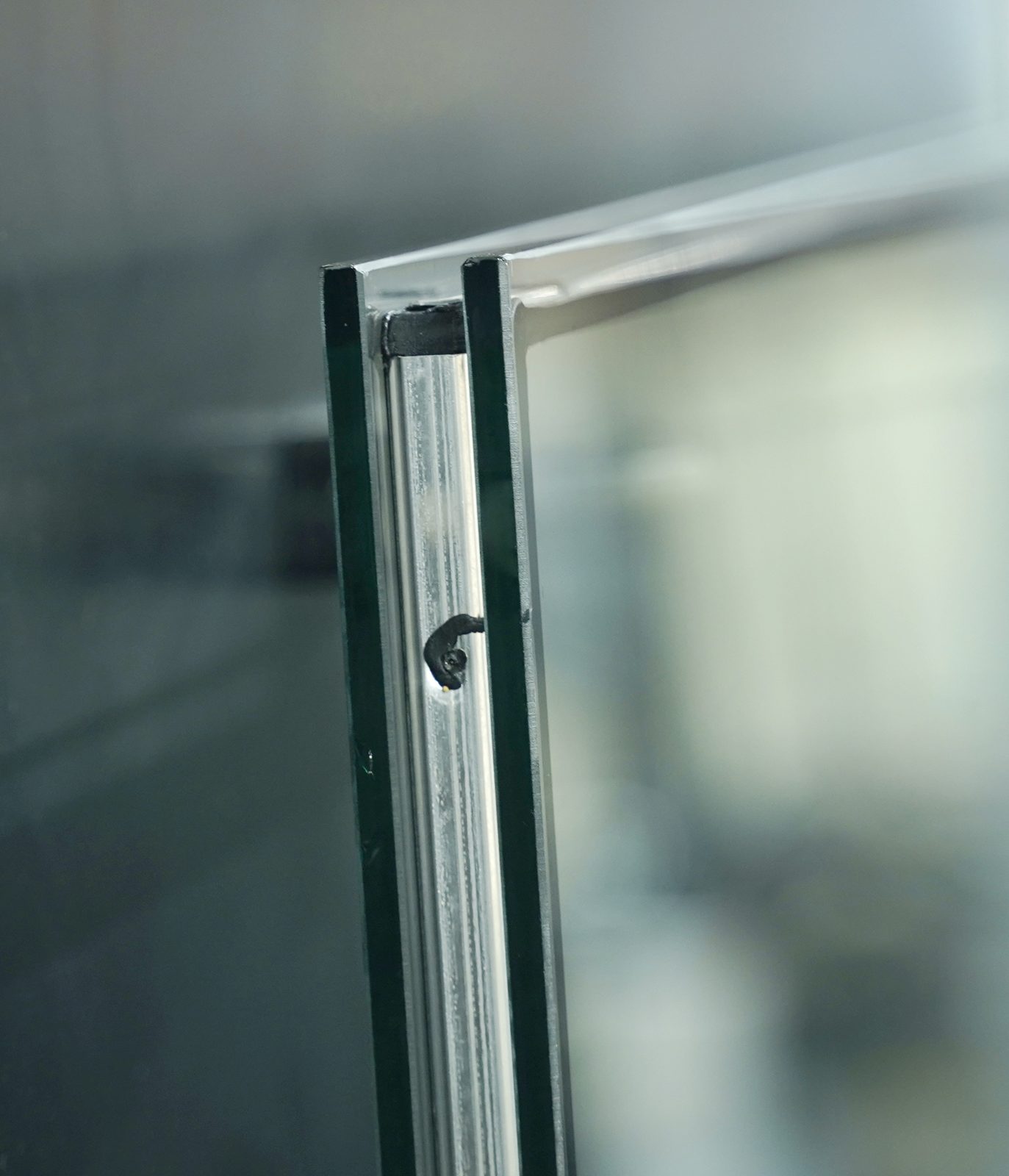
Corner of a double glazed glass unit showing two panes separated by an aluminium spacer bar and sealant

Karnataka Metal Company assembles double glazed glass (also called DGU or insulated glass units) at its Nelamangala plant in Bangalore with 12,500 sqm/month capacity and Low-E coatings for ECBC 2017 compliance. For a detailed comparison of all glass types, read our glass selection guide.

Double Glazed Glass Configurations

Karnataka Metal Company processes double glazed glass in multiple configurations based on glass type, coating, and gas fill.

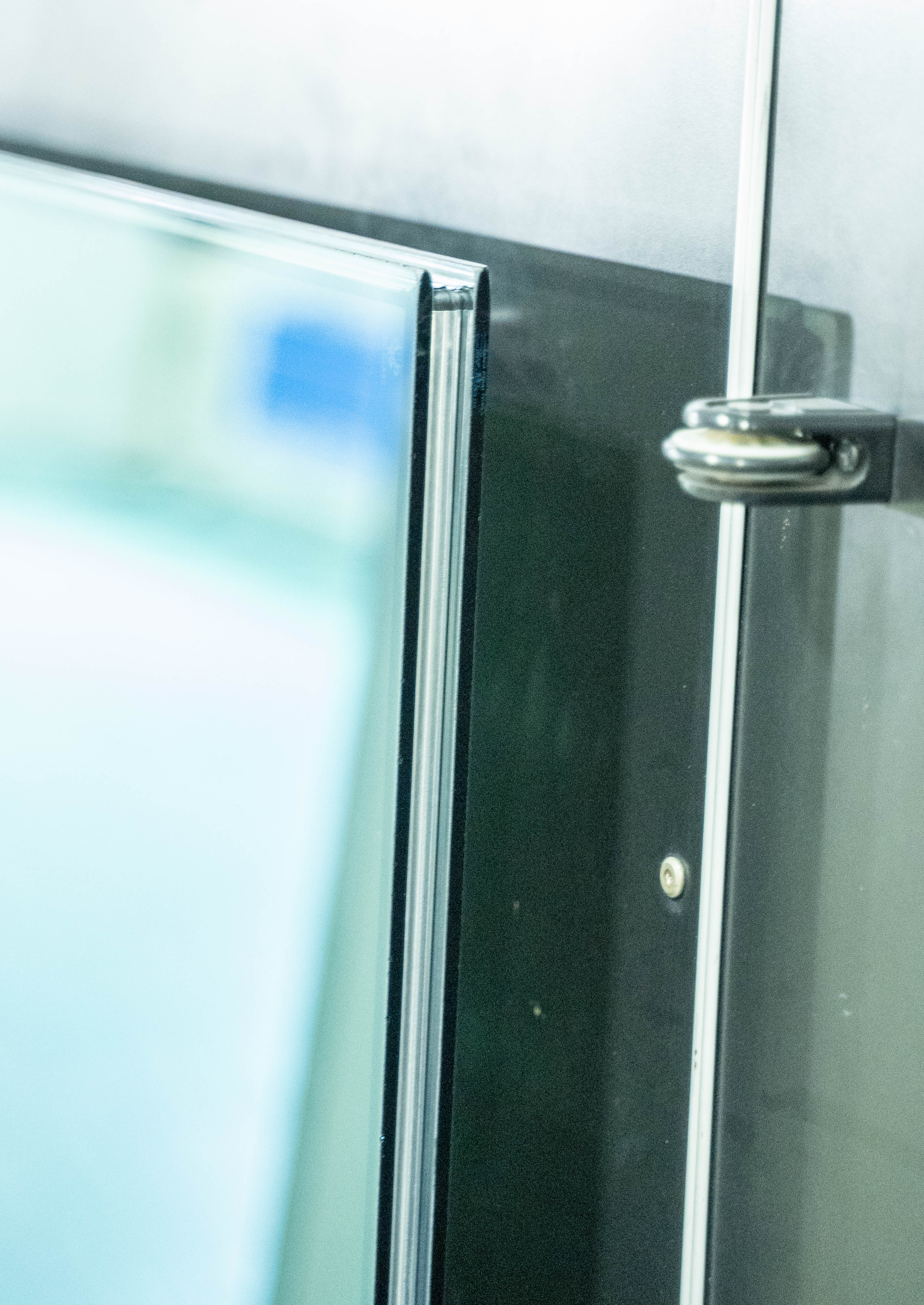
Edge of a standard air-filled double glazed glass unit showing both panes and the spacer

Standard DGU (Air-Filled)

The inner pane is always clear; the outer pane can be clear, tinted, soft coat, or hard coat, separated by a dehydrated air cavity. U-value varies by combination. Cost-effective for residential and light commercial applications.
Commercial facade glazed with Low-E coated argon-filled double glazed glass

Low-E DGU (Argon-Filled)

Low-E coated panes with argon gas fill; U-value below 2.0 W/sqm.K.

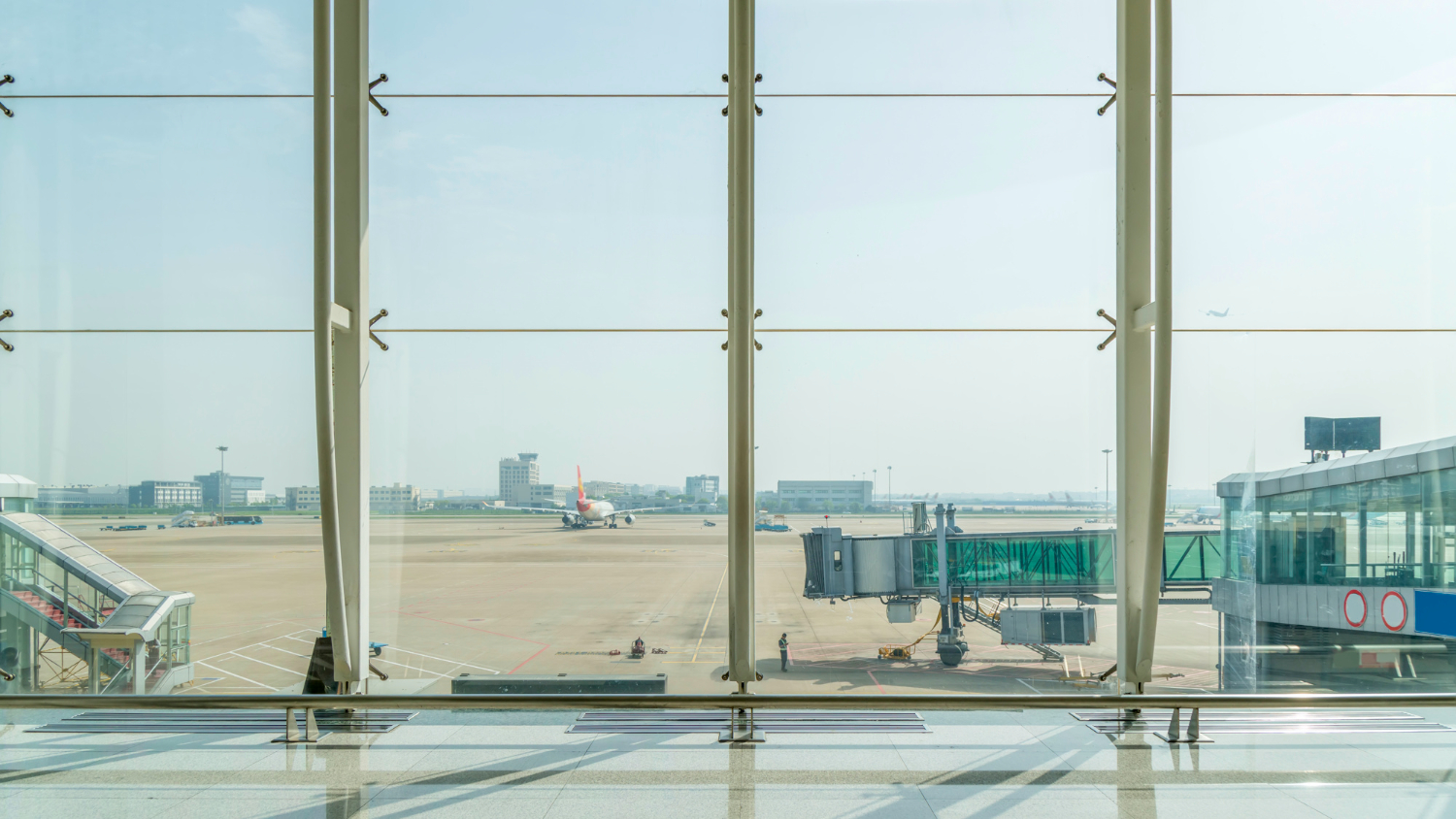
Airport terminal glazed with acoustic double glazed glass

Acoustic DGU

Combines DGU insulation with acoustic laminated glass for superior sound reduction. For buildings near airports, highways, and dense urban areas.

Karnataka Metal Company processes toughened glass in-house, offers laminated glass through quality-tested service providers, and supplies aluminium framing sections and profiles for curtain wall and window systems, all from a single source in Bangalore.

Double Glazed Glass Specifications and Performance Guide

Thermal Performance by Configuration
ConfigurationU-value (W/sqm.K)SHGCVLTBest For
Clear + Air + Clear2.7 to 2.80.70 to 0.750.75 to 0.80Residential, light commercial
Tinted + Air + Clear2.7 to 2.80.45 to 0.550.40 to 0.60Solar control without coating (lower SHGC, less glare)
Clear + Argon + Low-E (Soft Coat)1.6 to 1.80.25 to 0.400.55 to 0.70ECBC compliant commercial
Clear + Argon + Low-E (Hard Coat)1.8 to 2.00.35 to 0.500.60 to 0.72Moderate performance, exposed edges
Clear + Argon + Double Silver Low-EBelow 1.60.20 to 0.270.35 to 0.55Maximum solar control, hot climates
Double glazed glass units at Karnataka Metal Company factory showing sealed spacer bar edges, Bangalore
ECBC 2017 Compliance Requirements
ECBC 2017 sets minimum glazing performance requirements for commercial buildings in India. Double glazed units with Low-E coating are the minimum specification.
ECBC ParameterRequirementHow DGU Meets It
U-factor (thermal)Less than or equal to 3.0 W/sqm.K (lower means better insulation)Standard DGU achieves 2.7 to 2.8; Low-E DGU achieves below 2.0
SHGC (Solar Heat Gain Coefficient)Less than or equal to 0.27 (lower means less solar heat enters)Double Silver Low-E DGU achieves 0.20 to 0.27
VLT (Visible Light Transmittance)Greater than or equal to 0.27 (higher means more natural light)All DGU configurations meet this requirement
Energy Star / GRIHA / IGBCPoints awarded for glazing performanceLow-E DGU contributes to green building certification
For project-specific pricing, contact us with your panel schedule and performance requirements.
Size and Thickness Range
DimensionSpecification
Maximum DGU size3,600 x 1,950 mm
Maximum total unit thicknessUp to 50mm
Standard spacer widths6, 8, 10, 12, 14, 15, 16, 18, 24, 27mm
Gas cavity optionsDehydrated air (standard, kept dry by desiccant in the spacer), Argon gas (enhanced performance)
Minimum orderNo rigid minimum; single unit to full project quantities
Every double glazed unit is assembled to order. No standard stock sizes.
Processing Capabilities
ProcessCapabilityNotes
DGU assemblyRobotic sealing systemSpacers fixed manually; robotic sealant application and edge sealing
Low-E coating optionsSoft Coat (sputtered), Hard Coat (pyrolytic), Double Silver Low-ELowers U-value and solar heat gain (SHGC)
Gas fillingArgon gas injectionReduces thermal conductivity of the gas cavity by approximately 34% vs air
Spacer typeAluminium spacerAluminium spacer bar maintains a uniform cavity and houses the desiccant that keeps the gas dry
Toughened DGU panesIn-house tempering, 25,000 sqm/monthOne or both DGU panes can be toughened for safety compliance
Laminated DGU panesLamination through quality-tested service providersFor acoustic DGU or overhead DGU requiring safety glazing
Quality testingGASP, Merlin LazerGASP: Stress testing, Merlin Lazer: measures the thickness of the DGU, Manual tests: for seal integrity, Butterfly test: to test the sealant mixing, Other: Bow and edge lift tests
Double Glazed Glass Pricing
DGU pricing depends on glass type, coating, gas fill (air vs argon), spacer, and order quantity, and moves with market conditions. Energy cost recovery for DGU over single glazing is typically achieved within 3 to 5 years in hot Indian climates through reduced air conditioning costs.

Double Glazed Glass Applications

Double glazing is specified wherever thermal insulation, energy efficiency, or acoustic performance is required. In India's hot climate, DGU with Low-E coating is the most effective way to meet ECBC 2017 requirements.

Double glazed glass curtain wall on a commercial IT park building in Bangalore

Commercial Buildings and IT Parks

ECBC 2017 mandates glazing performance levels that single glazing cannot achieve. Low-E DGU is the standard specification for new commercial buildings, IT parks, and corporate offices across South India.

IGBC green-certified building with double glazed Low-E glass facade

Green-Certified Buildings (IGBC/GRIHA)

IGBC and GRIHA certification systems award points for high-performance glazing. Double Silver Low-E DGU with argon gas fill delivers the lowest U-values and SHGC ratings for Platinum and Gold certification.

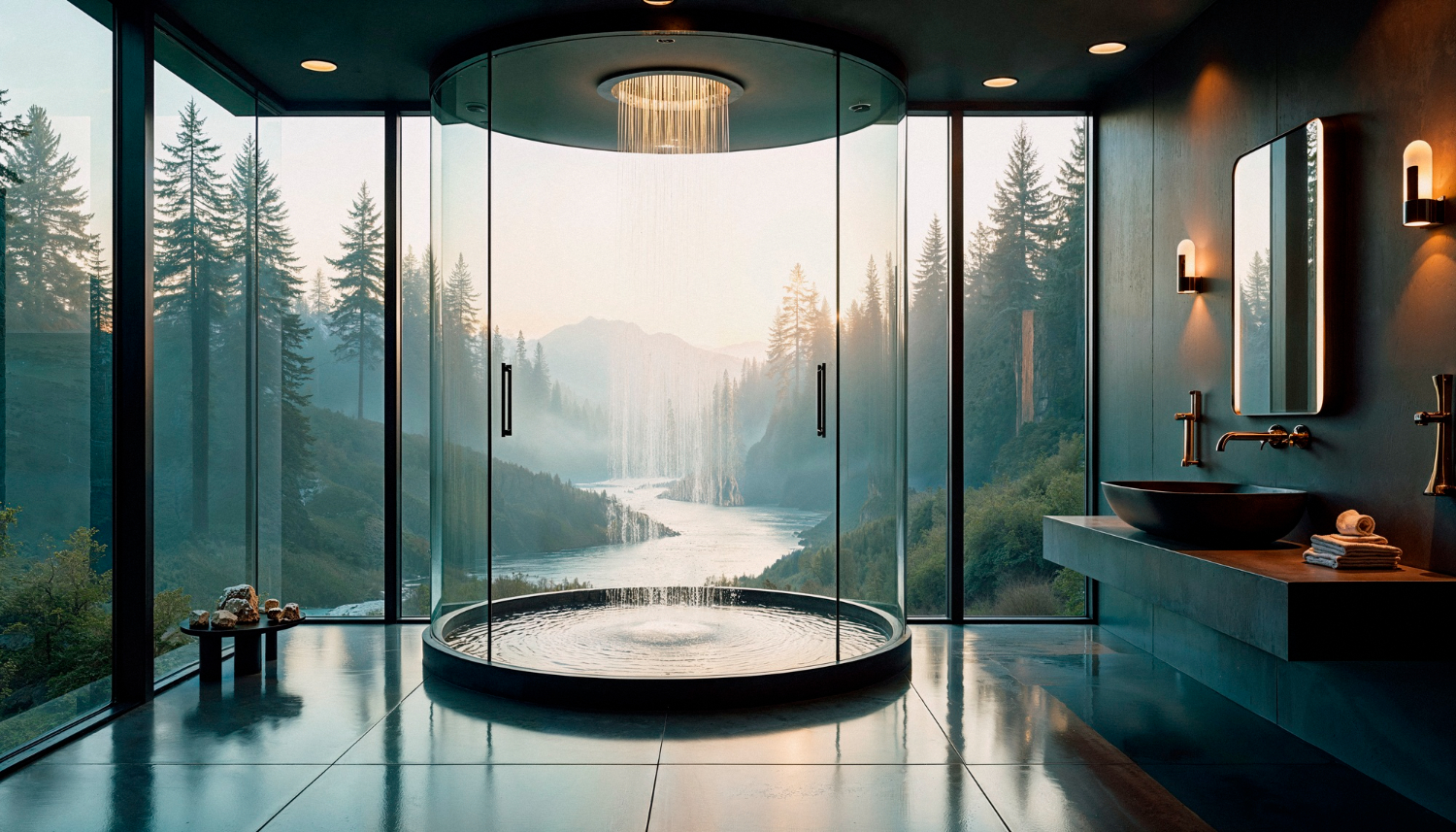
Hotel bathroom interior with a full-height glazed wall

Hotels and Hospitality

Hotels require both thermal comfort (reduced AC costs) and acoustic insulation (quiet interiors). DGU with acoustic laminated glass on the outer pane provides both benefits in a single glazing unit.

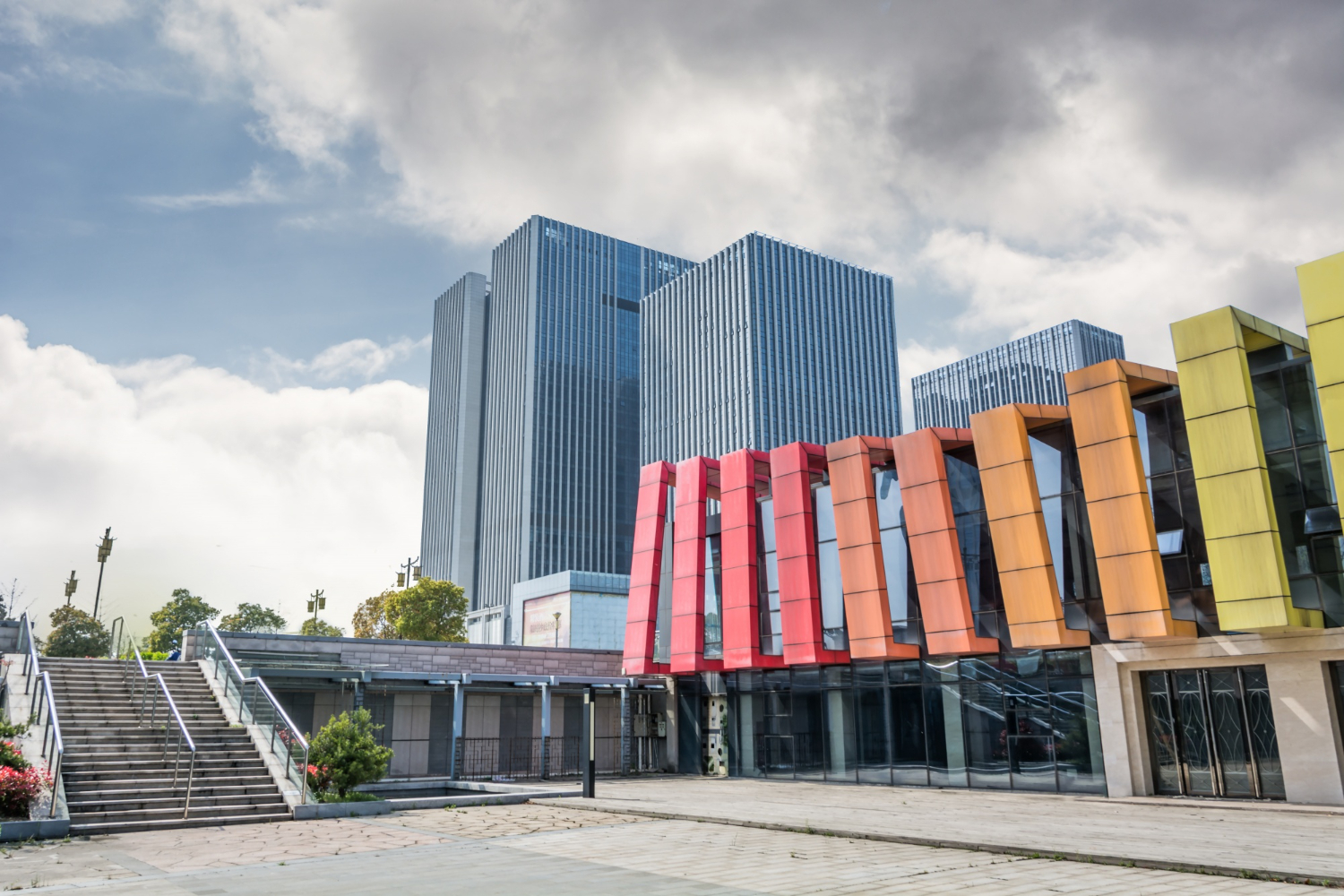
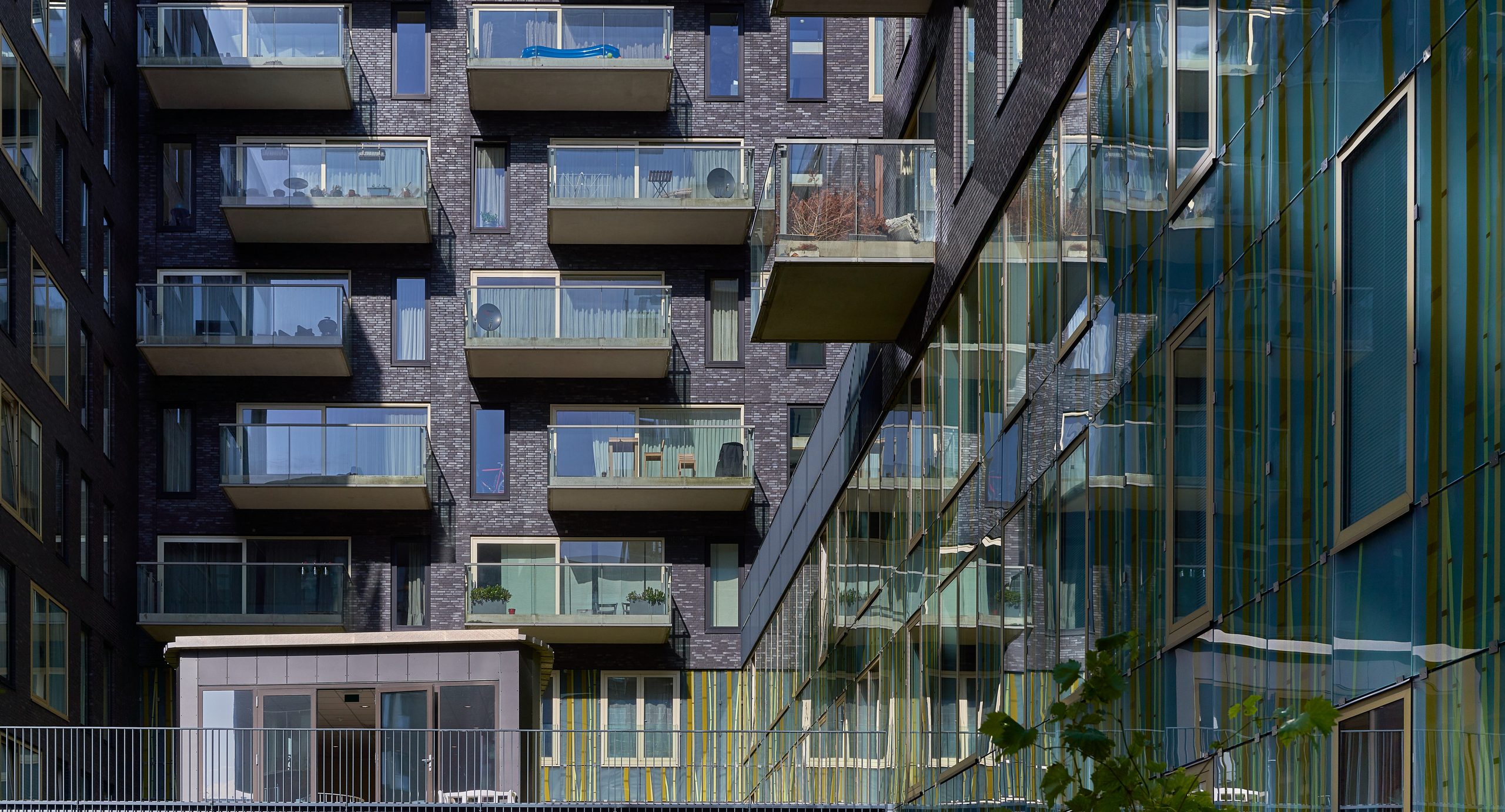
Modern institutional building with a glazed ground floor and colour-clad upper storeys

Hospitals and Institutional Buildings

Hospitals, universities, and government buildings require stable temperatures and quiet environments. DGU reduces HVAC energy consumption and provides UV protection when combined with Low-E coating.

Double glazed windows on a premium residential tower in Bangalore

Premium Residential Buildings

Premium residential projects increasingly specify double glazed windows for air-conditioned apartments, noise-prone locations, and upper floors with high wind loads. Energy cost savings from reduced AC usage are typically recovered within 3 to 5 years.

Our Clients

Trusted by Leading Organizations

By the Numbers

325+
Clients Served
12,500 sqm/mo
DGU Processing Capacity
BIS/ISI
Certified
No Order Too Small
Single Unit to Multi-Tower

Why Choose Karnataka Metal Company for Double Glazed Glass

Robotic DGU Processing

Our DGU line uses a robotic sealing system: spacers are fixed manually, then the robot applies the sealant and seals each unit. Robotic sealing ensures consistent seal integrity and reduced risk of argon gas leakage.

Full Low-E Coating Range

We process DGU with Soft Coat (sputtered), Hard Coat (pyrolytic), and Double Silver Low-E options. Every Low-E type available to match your project's ECBC, SHGC, and VLT requirements.

In-House Tempering + Quality-Tested Lamination

Both panes of a DGU can be toughened in-house, with lamination handled through quality-tested service providers. Our tempering produces some of the flattest glass in the industry, reducing the risk of bubbles and delamination in the finished product.

In-House Quality Testing

Equipment includes GASP (non-destructive stress testing), Merlin Lazer, and seal integrity testing. Every DGU batch verified for thermal performance, seal quality, and optical clarity before dispatch.

Integrated Glass and Aluminium Supplier

Source your double glazed units and aluminium profiles for curtain wall mullions, transoms, and window frames from a single supplier. One purchase order, one delivery schedule, less coordination on site.

ECBC and Green Building Glass

We supply the Low-E DGU configuration specified for your energy target and pass on the glass manufacturer's (Guardian, Asahi, Saint Gobain) published thermal performance data, including U-value, SHGC, and VLT figures, for your ECBC 2017 and IGBC/GRIHA certification submissions.

Get in Touch

Looking for double glazed glass suppliers in Bangalore? Contact us for Low-E coating selection and project-specific DGU glass pricing. Processed double glazed units delivered to your project site across South India.

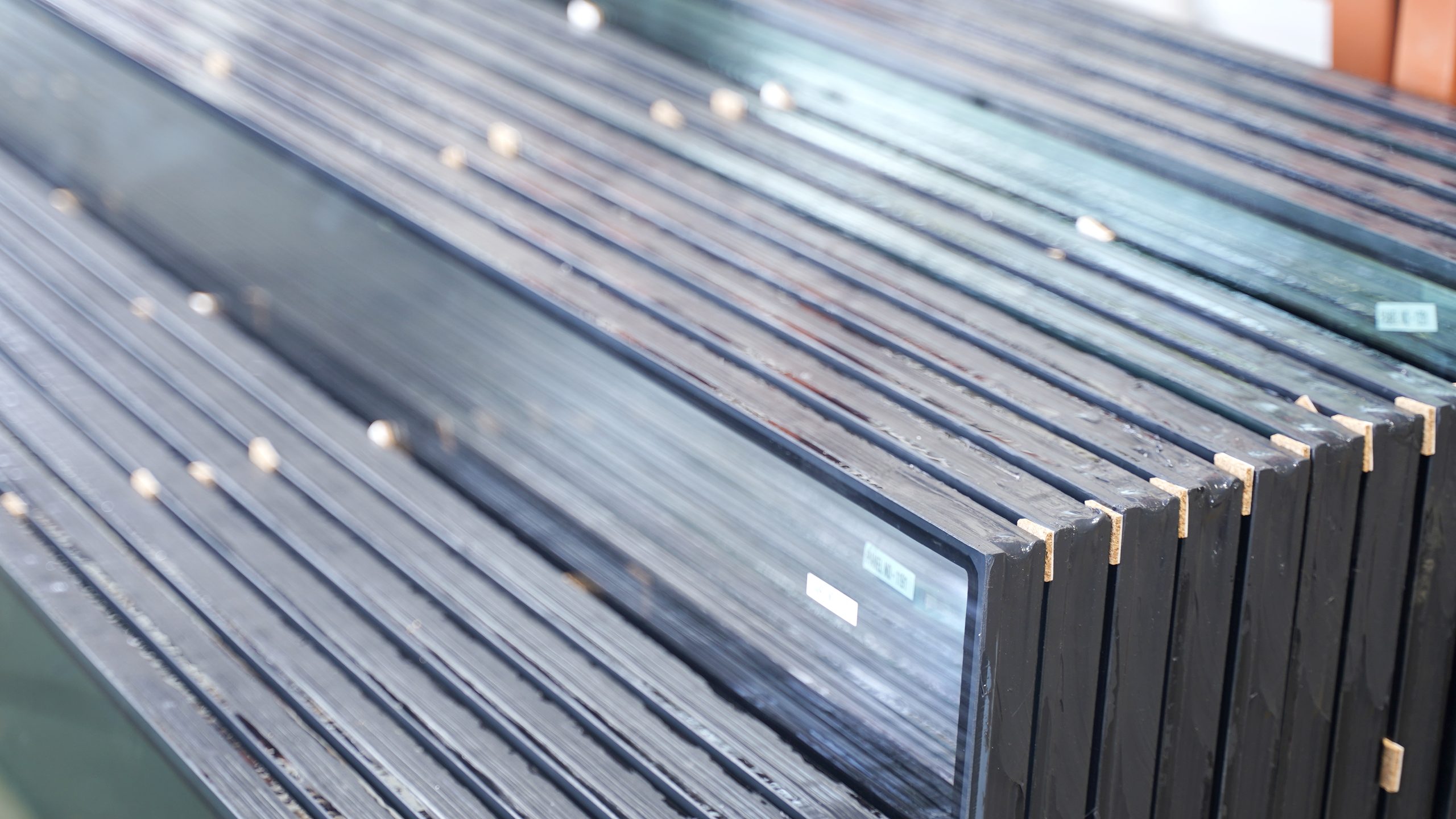
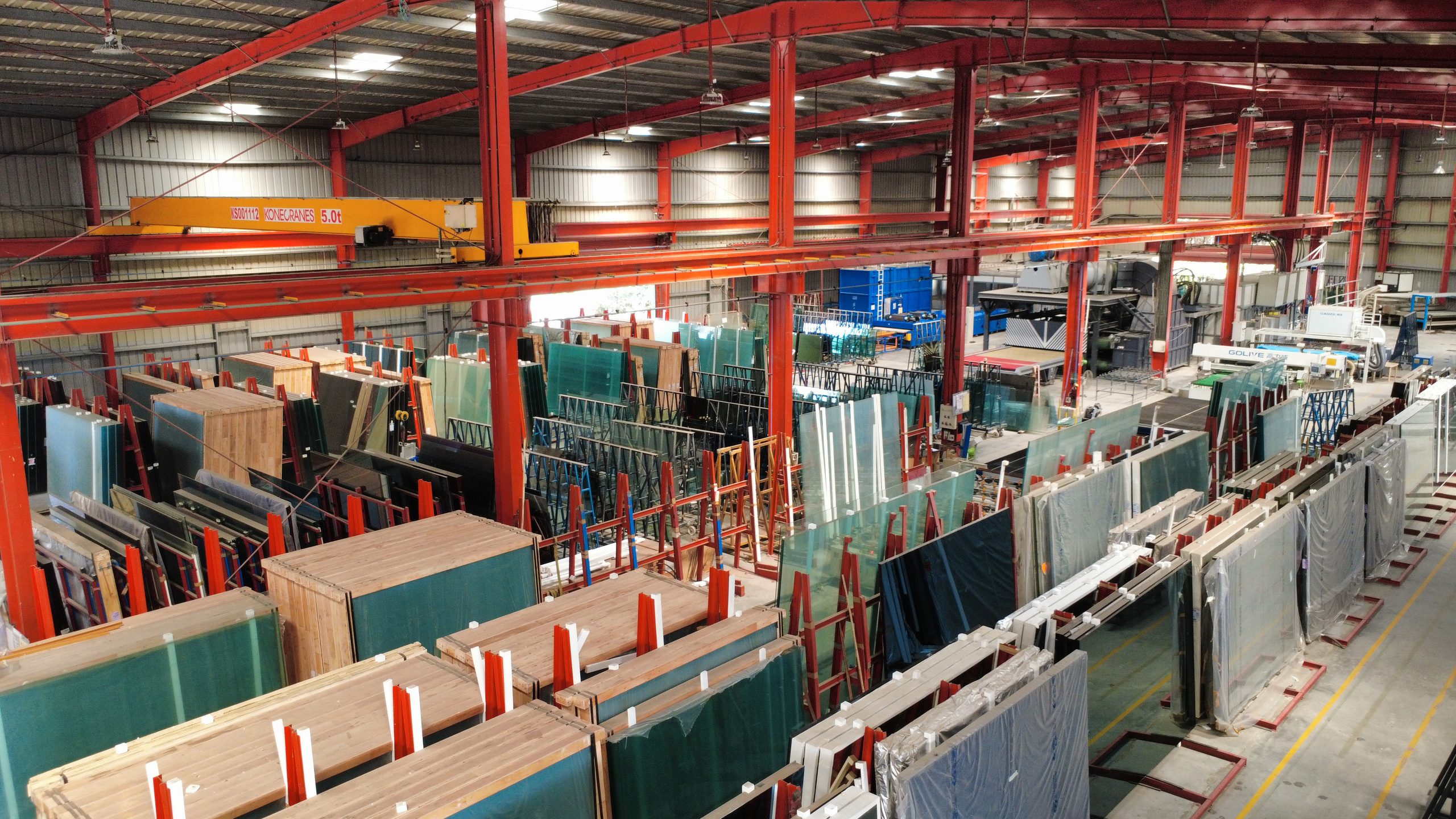
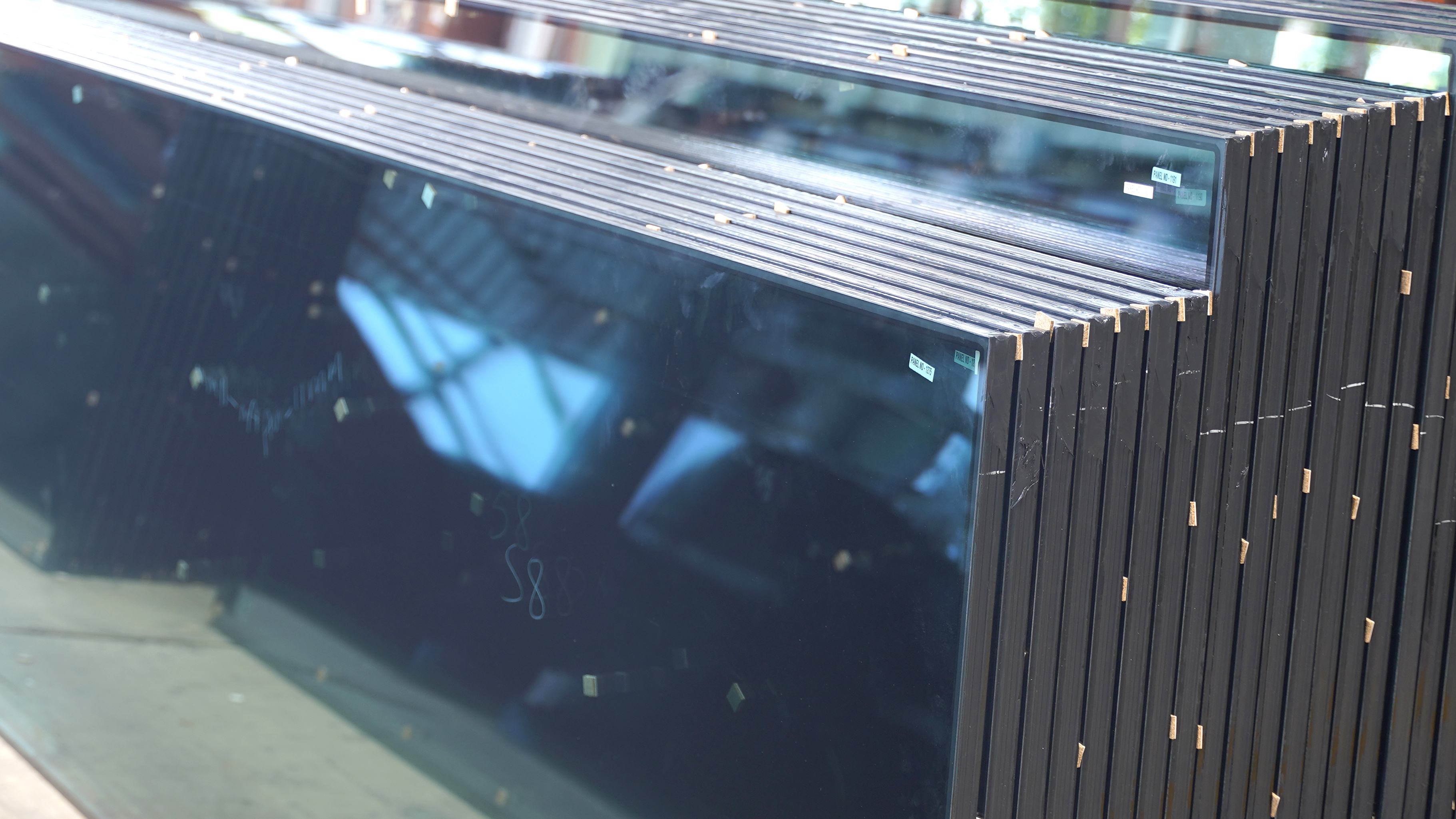
Glass panels stacked on the processing floor at the Karnataka Metal Company plant in Nelamangala, Bangalore
Address16 & 17, A.M Road, Kalasipalya Extension, Bangalore 560002
Contact Us →
Common Questions

Frequently Asked Questions

What is double glazed glass? +
Double glazing uses two glass panes separated by a sealed cavity of still air or argon that acts as a thermal barrier. An edge spacer holds desiccant to keep the cavity dry, and a dual seal stops gas leakage over the unit's 20 to 25 year life. The result insulates against heat and noise, and keeps the room-side pane warm enough to prevent the condensation that fogs single glazing.
What is the double glazed glass price per sq ft in India? +
Price depends on glass type (clear, tinted, Low-E), pane thickness, gas fill, and spacer type. A standard air-filled DGU typically costs 40 to 60% more than an equivalent single-glazed panel; Low-E and argon add further cost but deliver substantially lower U-values. Contact us with your panel schedule for a project-specific quotation.
Can single glazing meet ECBC 2017 requirements? +
No. Single glazing cannot meet ECBC 2017 energy performance requirements for commercial buildings in India. ECBC mandates a U-factor of 3.0 W/sqm.K or below and an SHGC of 0.27 or below; single clear glass has a U-value of approximately 5.8 W/sqm.K, so double glazed units with Low-E coating are the minimum specification.
What is the difference between air-filled and argon-filled DGU? +
Argon gas is approximately 34% less thermally conductive than air, improving the U-value without changing unit dimensions. Air-filled units remain a cost-effective choice for residential and light commercial use, while argon-filled Low-E units are specified where ECBC compliance or maximum energy savings are required.
What is Low-E glass and why is it used in DGU? +
Low-E (low emissivity) glass has a thin metallic coating that reflects infrared heat while letting visible light through. Applied to an interior pane surface in a DGU, it reduces heat transfer across the cavity. Three types are available: Soft Coat (sputtered, highest performance, for protected interior surfaces), Hard Coat (pyrolytic, durable enough for exposed edges), and Double Silver Low-E (maximum solar control).
How long does double glazed glass last? +
A properly manufactured DGU lasts 20 to 25+ years. The main failure mode is seal degradation causing internal fogging, so seal quality, spacer type, and installation all affect longevity. Karnataka Metal Company uses robotic sealing for consistent unit integrity.
Can DGU panes be toughened or laminated? +
Yes. One or both panes can be processed as toughened glass (for safety glazing in human impact zones) or laminated glass (for overhead or acoustic applications). Karnataka Metal Company tempers in-house and coordinates lamination through quality-tested providers, managed from a single point of contact.