
Two tempered glass panels from two different processors. Same thickness, same size, same BIS mark on the corner. One shows visible roller wave distortion across the facade. The other is optically flat. The difference is the glass tempering process behind each panel.
For architects, builders, facade contractors, and procurement teams evaluating glass tempering services, this guide covers the process step by step, the quality checks that matter, the Indian standards that apply, and what to look for when choosing a toughened glass manufacturer.
(Part 1): 2018
What Is Glass Tempering?
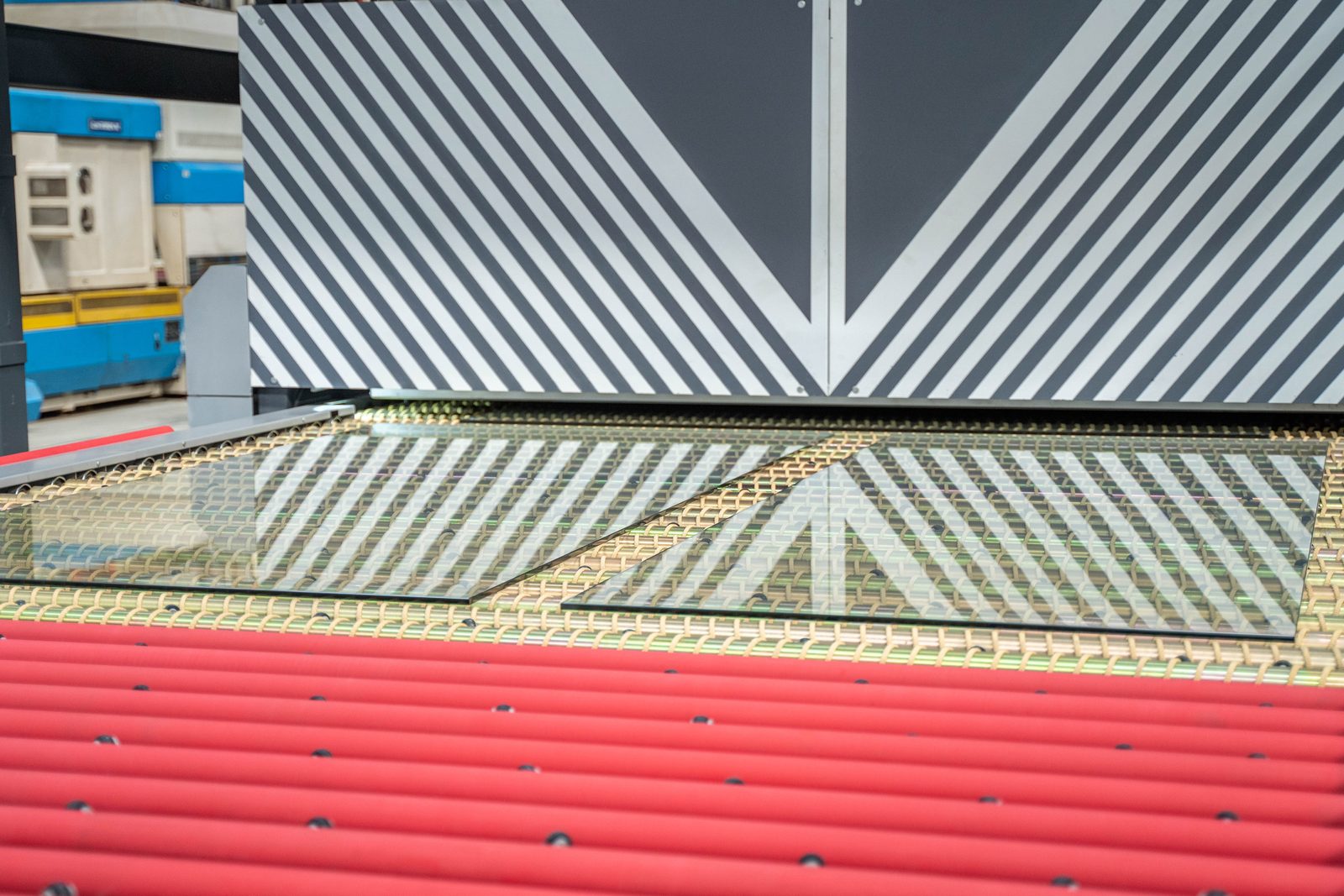
Glass tempering (also called toughening) is a heat treatment process that heats ordinary float glass to approximately 620°C to 680°C and then rapidly cools it with high-pressure air jets. This locks the glass surfaces into a compressed state while the core remains under tension, which is what gives tempered glass its strength.
The result is a glass panel that is 4 to 5 times stronger than annealed glass of the same thickness. If it does break, it shatters into small, relatively blunt fragments rather than the large, sharp shards that make annealed glass dangerous.
The same furnace is also used to produce heat-strengthened glass, with only a variation in the process. Heat-strengthened glass is approximately 2 times stronger than annealed glass and breaks into larger pieces that tend to stay in the frame.
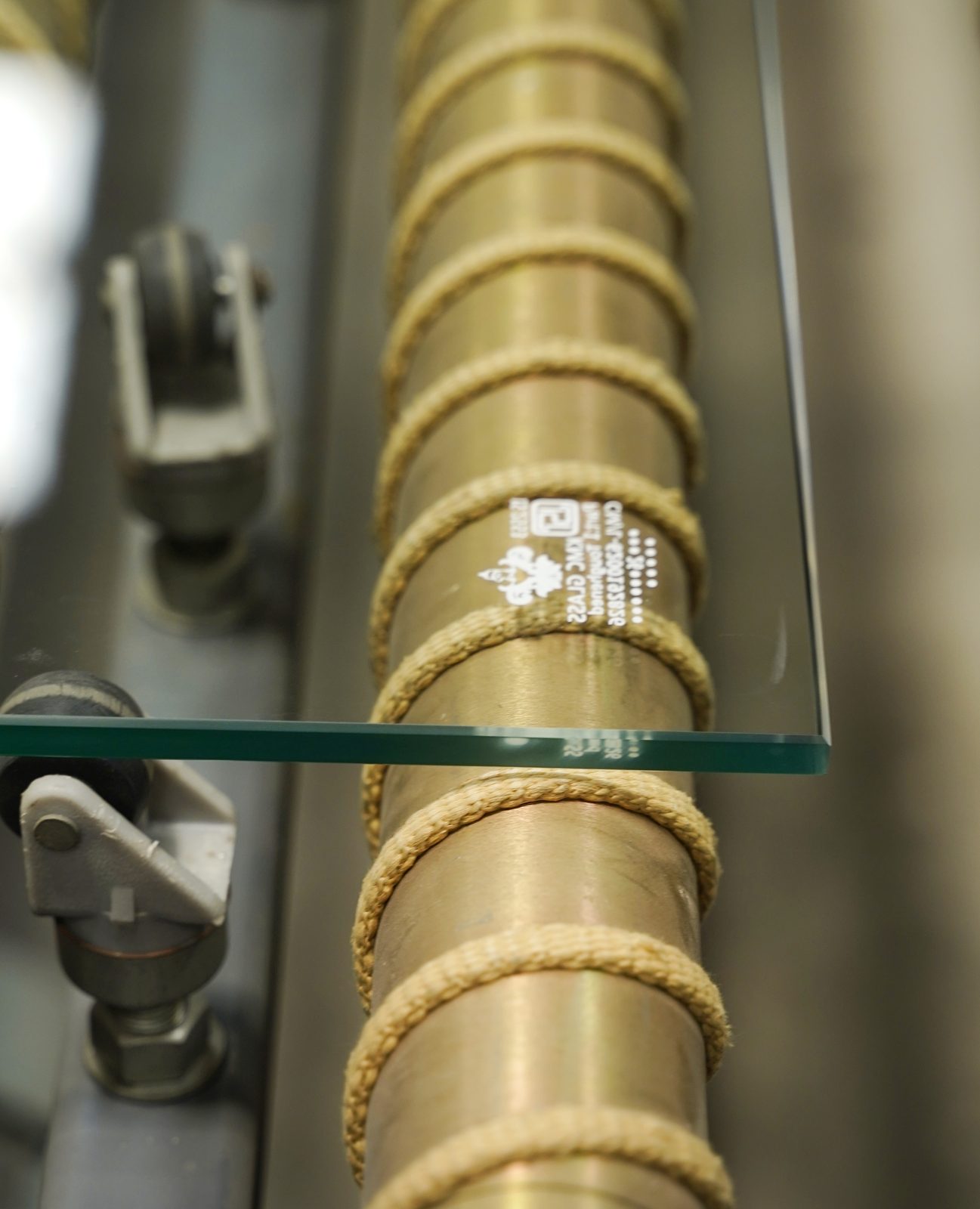
Toughened glass is classified as safety glass under IS 2553 (Part 1): 2018 and must carry the BIS/ISI mark for use in human impact zones and building applications.
Glass Tempering Process Step by Step
The full glass toughening process runs through five controlled stages, each contributing to the strength, flatness, and optical quality of the finished panel.
Cutting and Edge Processing
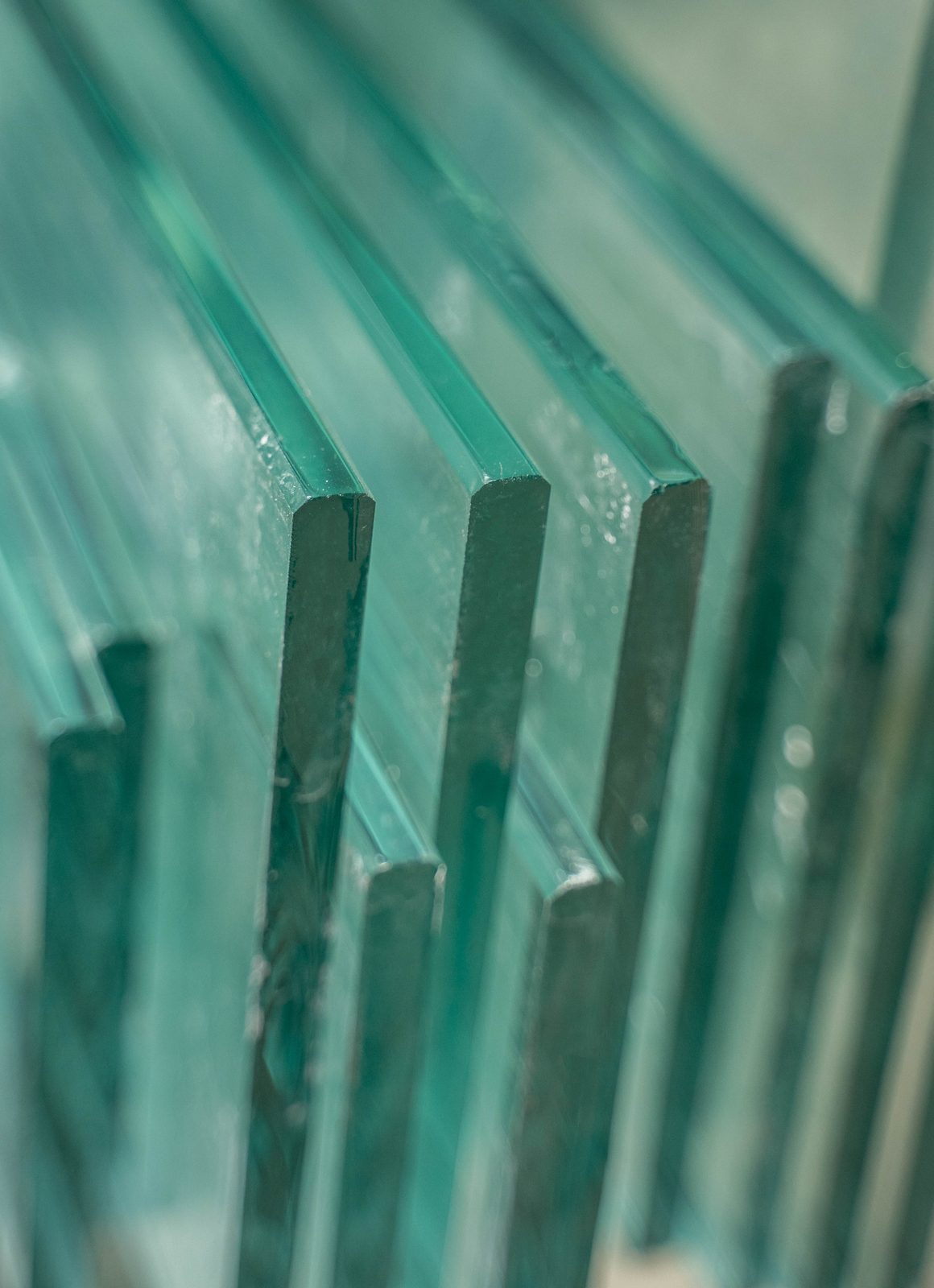
Float glass is cut to size using CNC cutting machines. All cutting, drilling, notching, and edge processing are completed before tempering, since toughened glass cannot be modified afterwards. Edges are then ground, seamed, or polished as required. Poor edge quality can lead to breakage later.
Washing and Inspection
Cut panels are washed to remove dust, cutting oil, and surface contaminants. Residue left on the glass surface can cause optical defects (white spots, haze) during heating. The glass is inspected for scratches, chips, and inclusions before entering the furnace.
Heating in the Tempering Furnace
The glass enters a horizontal roller furnace and is heated uniformly to approximately 620°C to 680°C. The glass must reach the same temperature across its entire surface: if one area is hotter than another, the finished panel will have uneven stress, leading to visible distortion. Heating time is approximately 35 to 45 seconds per millimetre of thickness.
Quenching
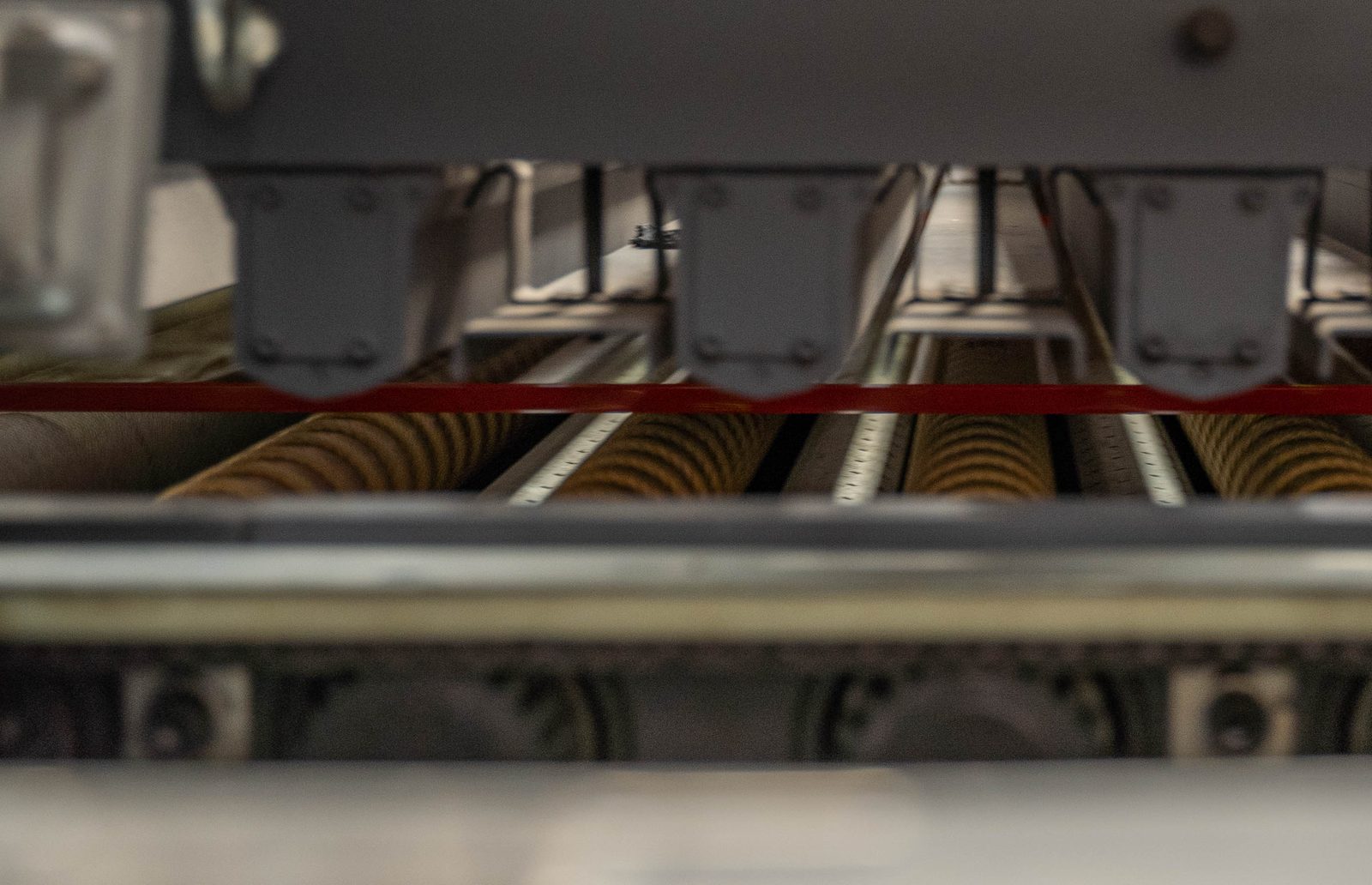
The heated glass then enters the quench section, where high-pressure air rapidly cools both surfaces. This process creates surface compression and core tension, giving toughened glass its strength. Cooling must be carefully controlled, especially for coated glass such as Low-E or reflective glass, to avoid under-tempering or excessive stress.
For more on coated glass, read our guide on soft-coated vs hard-coated glass.
Quality Testing and Marking
Every tempered panel must pass quality checks before dispatch: fragmentation test, surface compression measurement, flatness checks, and edge quality inspection. Panels that pass are marked with the BIS/ISI mark, the manufacturer's licence number, and IS 2553 standard reference.
Quality Parameters in Glass Tempering
The difference between a good glass processor and a mediocre one shows up in three measurable quality areas.
Flatness and Optical Distortion
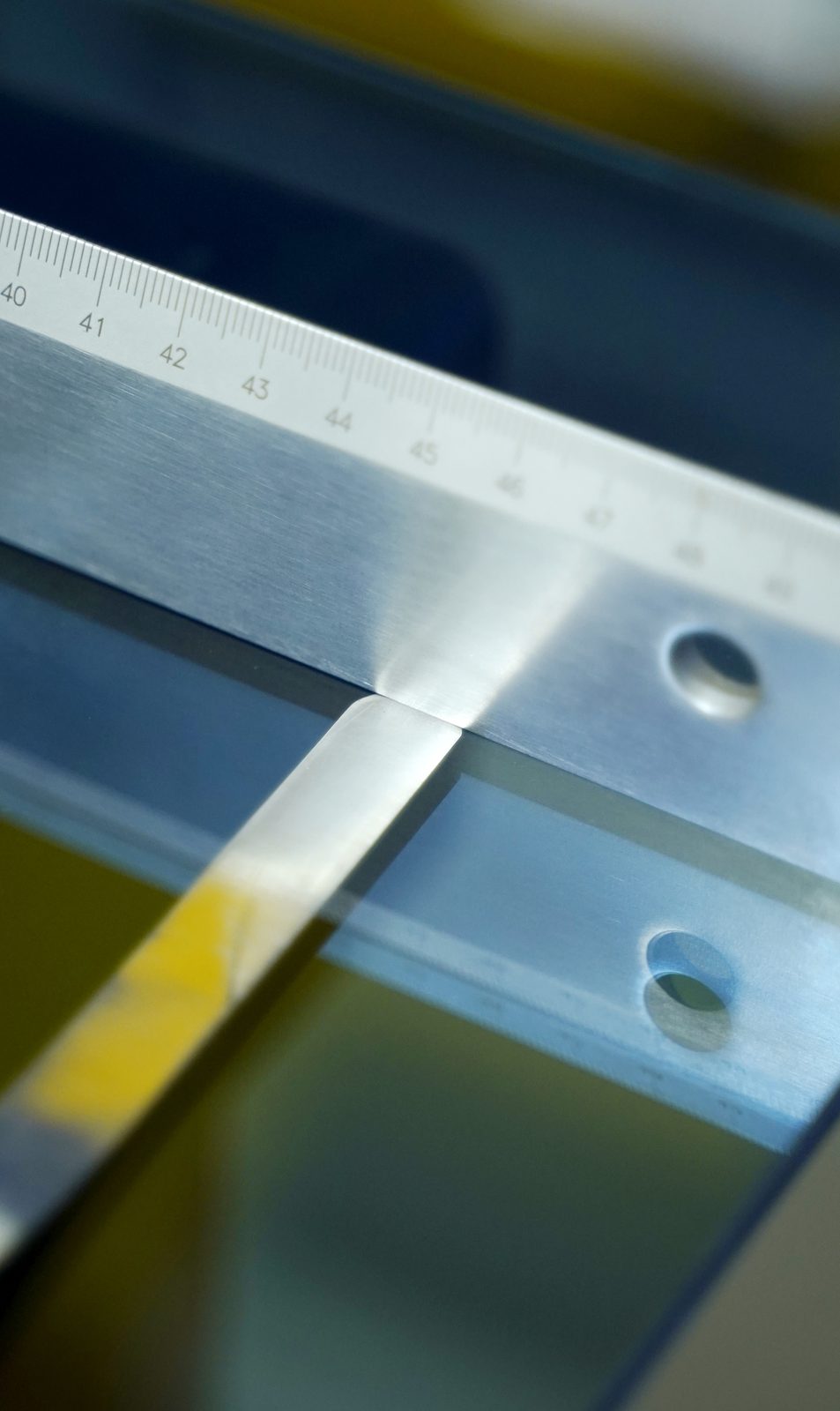
Roller wave is the most visible quality issue in tempered glass, appearing as subtle wavy distortions in reflected facade images. Bow (overall panel curvature) and edge lift (upward-curving edges) can also create problems, especially in double glazed units. Flatness depends on furnace temperature, oscillation speed, heating time, and cooling balance.
Surface Compression
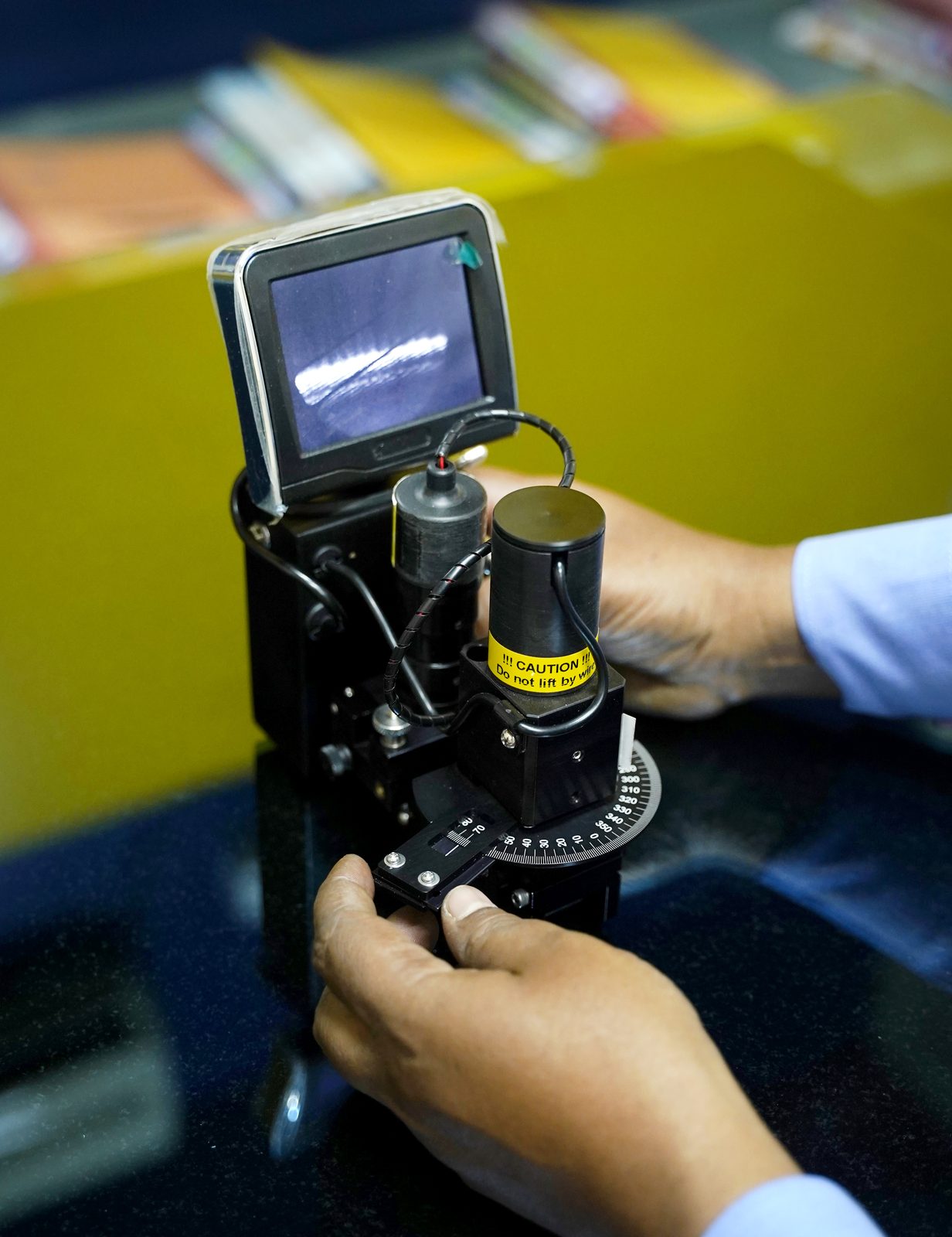
IS 2553 (Part 1): 2018 requires fully tempered glass to achieve a minimum surface compression of 69 MPa (10,000 psi) or edge compression of not less than 67 MPa (9,700 psi), or meet ANSI Z97.1 / CPSC 16 CFR 1201. Heat-strengthened glass, per ASTM C1048, falls between 24 MPa (3,500 psi) and 69 MPa (10,000 psi).
Under-tempered glass won't perform as safety glass; over-tempered glass carries excess internal stress, increasing the risk of spontaneous breakage. Non-destructive testing equipment (GASP, Merlin Lazer) allows processors providing glass tempering services to verify compression on every batch without breaking panels.
Fragmentation Pattern
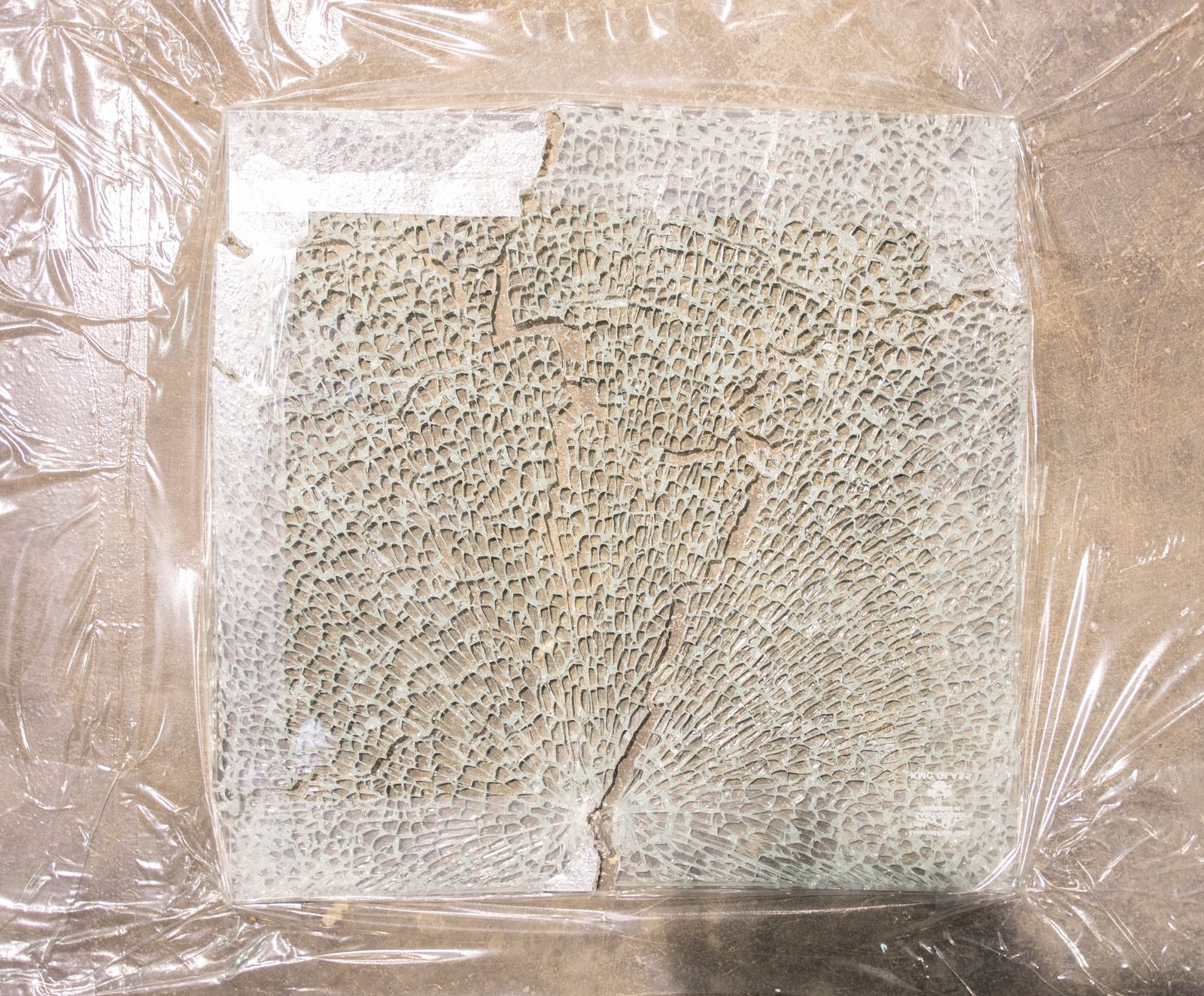
When toughened glass breaks, it must shatter into small pieces, not large, dangerous shards. IS 2553 (Part 1): 2018 specifies minimum fragment counts depending on glass thickness. A proper fragmentation pattern confirms that the glass has been evenly and adequately tempered.
Common Tempering Defects and What Causes Them
| Defect | Cause |
|---|---|
| Roller wave (corrugated distortion in reflection) | Inherent to tempering — softened glass conforms to rollers. Minimised with proper temperature control and oscillation. More pronounced in thinner glass |
| Overall bow (panel curved along length or width) | Temperature gradient in furnace, uneven quench. Common in solar control glasses where the coated surface absorbs or rejects heat differently, causing uneven temperatures between top and bottom surfaces |
| Edge lift (edges curling upward) | Edges have lower thermal mass than the centre, cooling faster and causing lift. Inherent to tempering — can be minimised, not eliminated. More problematic in solar control glass where coating is removed from edges (edge deletion) |
| White haze or spots | Surface contamination before heating (dust, oil, fingerprints) |
| Scratches | Debris on rollers, inadequate cleaning, handling damage |
| Quench marks/iridescence | Inherent to tempering — internal stresses cause variations in refractive index. Cannot be avoided; only visible under certain polarised light conditions |
| Under-temper (large fragments on breakage) | Insufficient heating, inadequate quench pressure |
Indian Standards for Toughened Glass
Architects and builders must comply with these standards when specifying toughened glass for building applications.
- IS 2553 (Part 1): 2018 covers safety glass (toughened and laminated) for architectural, building, and general uses. BIS/ISI certification has been mandatory for all safety glass since 1 April 2023 under the Safety Glass (Quality Control) Order.
- IS 16231 (Parts 1 to 4): 2019 is the code of practice for the use of glass in buildings. Part 3 covers glass thickness selection based on wind load, pane size, and support conditions.
- IS 16982:2018 specifies heat-strengthened glass, which uses a slower cooling process than toughened glass and has different strength and breakage characteristics.
- NBC 2016 (Part 6, Section 8) covers glass and glazing requirements, including safety glass in human impact zones and laminated glass for overhead applications.
For safety glass that must also stay in the frame after breaking, laminated glass or toughened laminated configurations are specified. Read more in our guide on how to choose the right glass for your building project.
How to Evaluate a Toughened Glass Processor
Not all glass tempering services deliver the same quality. When selecting a toughened glass manufacturer, these criteria matter most.
- BIS/ISI certification: Mandatory. Confirm the processor holds a valid BIS licence for IS 2553 (Part 1): 2018.
- Furnace technology: Modern roller furnaces with convection heating produce better flatness than older furnaces. Convection heating is essential to process solar control glass.
- Non-destructive stress testing: In-house equipment (GASP, Merlin Lazer) verifies every batch without relying solely on breakage tests.
- Edge processing capability: Multiple edge polishing and grinding machines reduce edge stress and improve reliability.
- Heat soak testing: For facade applications, confirm whether the processor has an on-site heat soak furnace. Heat soak testing is estimated to eliminate around 90 to 98% of panels that might break on their own due to nickel sulphide (NiS) inclusions. Read more in our guide on spontaneous glass breakage.
- Size range and coated glass capability: Larger size capacity and the ability to temper Low-E and reflective glass indicate a more capable operation.
- In-house testing lab: A dedicated quality lab with a surface table, roller wave gauge, and impact testing shows process control beyond the BIS minimum.
Why Choose Karnataka Metal Company for Glass Tempering?
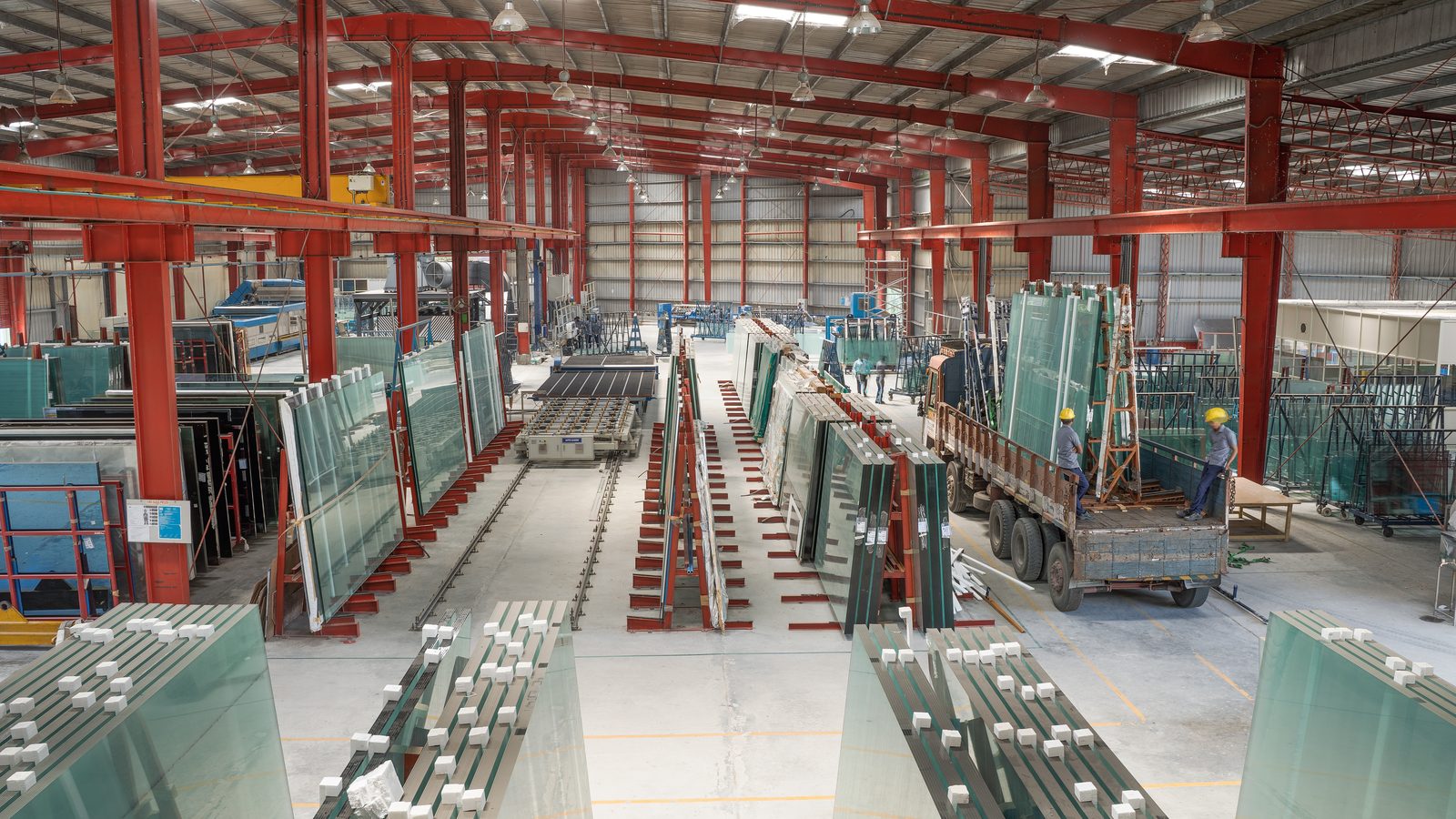
Our 50,000 sq ft glass processing facility in Nelamangala, Bangalore delivers one of the flattest glass outputs in the industry with tight control over roller wave, edge lift, and overall bow.
- ISO 9001:2015 and BIS/ISI certified facility, compliant with IS 2553 (Part 1): 2018 for toughened and laminated safety glass
- Raw material sourcing: We use glass manufactured by the best glass manufacturers (Asahi, Guardian, and Saint-Gobain) and are certified by them to process their best Low-E glass.
- In-house laboratory with GASP, Merlin Lazer, roller wave gauge, surface table, and strain optics for quality verification
- In-house impact testing: human impact and ball drop tests as per BIS requirements
- Heat soak furnace to reduce the risk of spontaneous breakage on facade and elevated applications
- Multiple edge polishing and grinding machines to minimise edge stress
- Large-size processing: tempered and heat-strengthened glass up to 2800 x 5000 mm, laminated up to 2400 x 5000 mm, and double glazed glass units up to 64 mm thickness
- Low-E compatible tempering on coated glass, preserving the coating performance through the heating process
- Project-capable tempering furnace that can handle double silver glass (highest capability in India) with some of the tightest flatness tolerances
- European cutting lines delivering some of the tightest dimension tolerances
- DGU line with sealing robot for high production speeds
- Capacity: 25,000 sqm per month, tempering, supporting both large facade projects and smaller custom orders
- Optically flat glass output from our tempering line, reducing the risk of bubbles and delamination in laminated and high-performance glass applications
As an integrated supplier, we also provide aluminium profiles and machining services from the same Bangalore campus.
Get in Touch
Contact us for glass tempering guidance and competitive pricing.
- Phone: +91 80 2670 9928
- Email: sales@karnatakametal.com
- Visit us: 16 & 17, A.M Road, Kalasipalya Extension, Bangalore 560002
Get in touch for a consultation and quote.