
A window specification calls for 6063-T5 aluminium sections. A structural drawing on the same project calls for 6063-T6. Same alloy, same shape, but T6 is roughly 36% stronger. The difference is aluminium heat treatment: the heating and ageing process applied after the profile leaves the aluminium extrusion press, and it determines the strength of every metre of aluminium profiles on the project.
For engineers, fabricators, and procurement professionals specifying aluminium extrusions and aluminium sections, understanding T5, T6, and T66 tempers is essential for matching profiles to structural requirements without inflating cost.
What Is Tempering in Aluminium?
In aluminium, "temper" refers to the heat treatment applied to an alloy after it is formed to develop its final strength and hardness. Unlike steel tempering (which softens a hardened material), aluminium heat treatment is a strengthening process.
The 6000 series alloys used in aluminium extrusions and aluminium sections (6063, 6060, 6061, 6005, 6082) are "heat-treatable." Their strength can be significantly increased by a controlled sequence of heating, cooling, and ageing. The magnesium and silicon in these alloys form tiny hardening particles during ageing, and the size and distribution of these particles determine the final strength.
Controlled ageing also locks in mechanical properties that are measurable and uniform throughout the profile. Think of a plastic chair left half in sunlight and half in shade. Over time, the exposed half becomes brittle while the shaded half does not. Aluminium behaves similarly: without ageing, environmental exposure can alter properties unevenly across the profile. Ageing eliminates this risk, which is critical for load-bearing structures where consistent strength and longevity are required.
How Aluminium Extrusion Tempers Are Produced
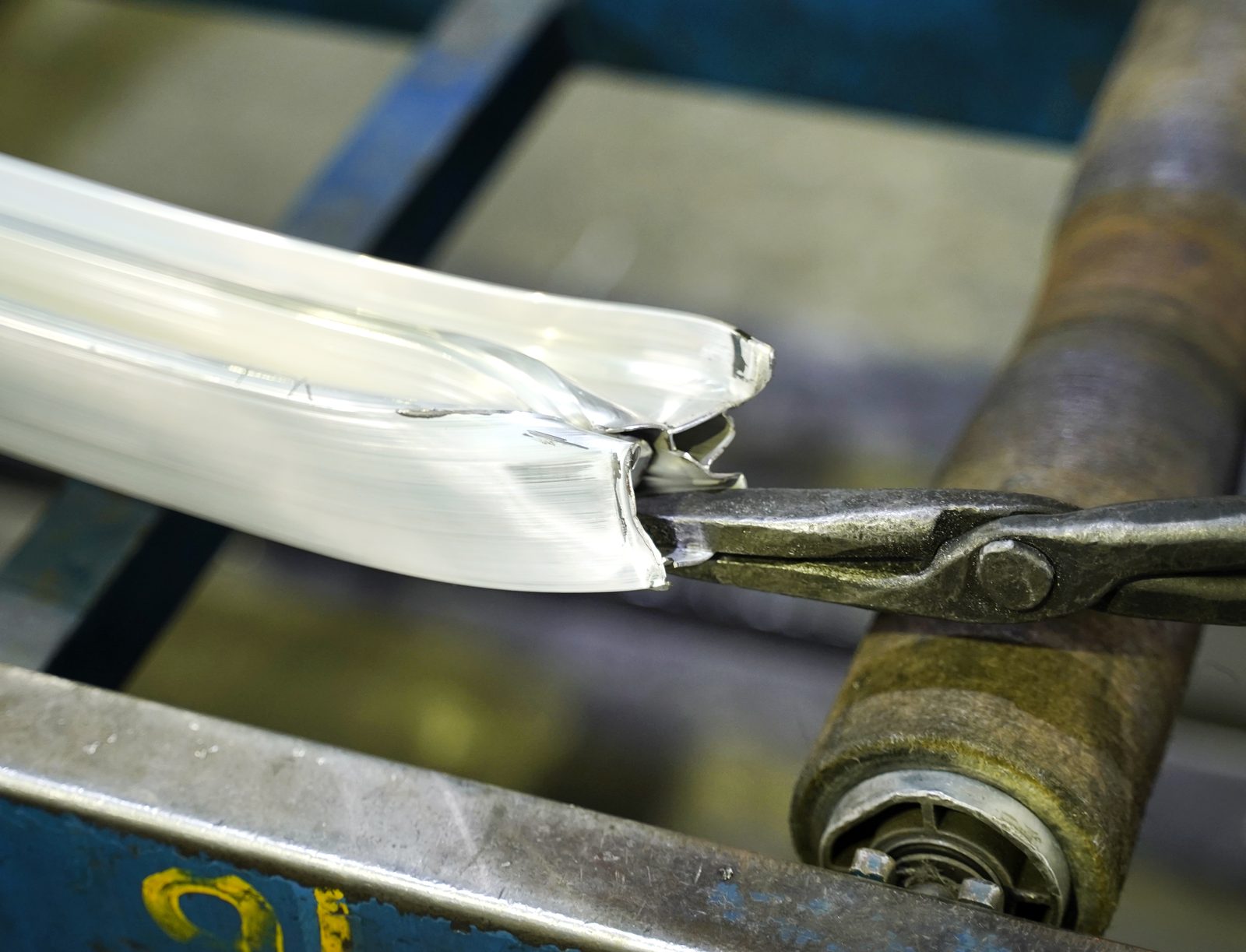
The temper designation (T4, T5, T6, T66) describes the specific heating and cooling route a profile takes after it exits the extrusion press. Each route produces a different balance of strength and flexibility.
As-Extruded Temper, Naturally Aged
T4 is the as-extruded temper. The profile is not artificially aged. It naturally ages at room temperature over days or weeks, delivering moderate strength with maximum flexibility and formability. T4 is specified when the profile needs to be bent, formed, or shaped after extrusion.
Air-Cooled from Extrusion and Artificially Aged
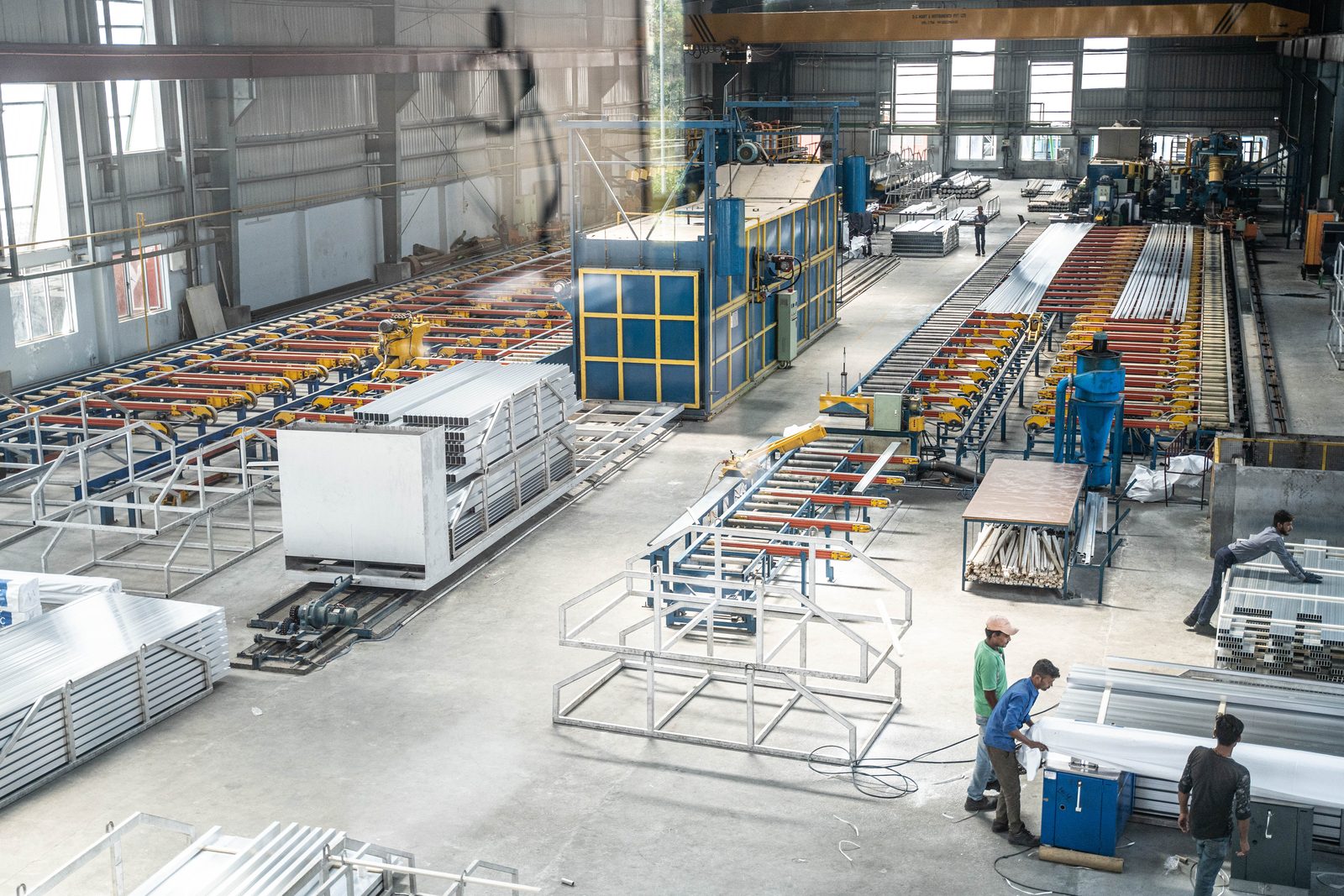
The profile is cooled by forced air after exiting the die, and then aged in an oven at 180°C to 200°C for several hours. T5 is the most common temper for architectural aluminium sections because it delivers a practical balance of strength, surface finish quality, and production cost. T5 also helps achieve better dimensional tolerances on complex profiles, since it avoids the additional heat treatment that can minutely affect dimensional properties.
Quenched and Artificially Aged
The profile is quenched after extrusion using air or water, depending on the profile and extrusion ratio, and then aged in an oven. T6 produces a stronger and harder profile than T5, driven by the Hall-Petch effect: finer size and more uniform distribution of hardening precipitates throughout the metal.
T6 is the standard temper for structural applications: load-bearing members, mezzanine framing, bus body sections, and profiles where strength is the primary specification.
Higher Strength with Corrosion Resistance
T66 is used sparsely. It is for applications where both strength and high corrosion resistance are needed. Typically used with 6063, which has better corrosion resistance than 6005 (the next alloy in terms of tensile strength).
T5 vs T6 vs T66: Mechanical Properties Compared
The table below compares the most commonly specified tempers for 6063 aluminium, the standard architectural extrusion alloy. Values for T5 and T6 are typical minimums based on ASTM B221M (extrusions). T66 values are based on EN 755-2, as ASTM B221M does not define T66 for 6063. The Indian designation for 6063 under BIS is 63400 (EN AW-6063).
| Property | 6063-T5 | 6063-T6 | 6063-T66 |
|---|---|---|---|
| Ultimate Tensile Strength (MPa) | 150 | 205 | 245 |
| Yield Strength (MPa) | 110 | 170 | 200 |
| Elongation (%) | 8 | 8 | 8 |
| Brinell Hardness (HB) | 65 | 75 | 85 |
In practical terms, T6 is approximately 36% stronger in tensile strength than T5, while T66 delivers approximately 63% more tensile strength than T5, with the same alloy and near-identical surface finish quality.
How Temper Affects Other Alloys
While 6063 is the most common extrusion alloy, temper selection matters across the full 6000 series.
| Alloy | Common Tempers | Why It Matters |
|---|---|---|
| 6063 | T5, T6, T66 | T5 for most architecture; T6 for structural applications; T66 where both strength and corrosion resistance are needed |
| 6060 | T5, T6 | Similar to 6063 but with better extrudability for thin-walled profiles |
| 6061 | T6 | Almost always specified in T6 for structural, marine, and transport applications |
| 6005 | T5, T6 | T5 for rail and bus body structures; T6 for higher-strength variants |
| 6082 | T6 | Highest strength of common 6000 series; always T6 for structural applications |
For a detailed comparison of 6063 and 6061 properties, read our guide on 6063 vs 6061 aluminium.
Choosing the Right Temper: A Practical Guide
The temper decision depends on three factors: the structural requirement, the forming needs, and the budget.
For a detailed look at how tempers are set during the extrusion process, read our guide on the aluminium extrusion process.
Indian Standards for Temper Designation

Under the Aluminium Quality Control Order, all aluminium extrusions sold in India must carry the BIS Standard Mark (ISI mark). BIS uses Indian alloy designations: 6063 is referred to as 63400 and 6061 as 65032.
The most relevant standards covering temper requirements for extrusions include:
- IS 733:1983 covers wrought aluminium bars, rods, and sections for general engineering, specifying temper requirements for each alloy
- IS 1285:2023 covers extruded aluminium tubes and hollow sections, including temper designations
- IS 1948:2024 covers aluminium-framed doors, windows, and sliders, with temper requirements for architectural profiles
The temper designation must appear on the BIS test certificate alongside the alloy designation, and mechanical test results (UTS, yield strength, elongation) must comply with the values specified for the declared temper.
Why Choose Karnataka Metal Company for Temper-Critical Extrusions?
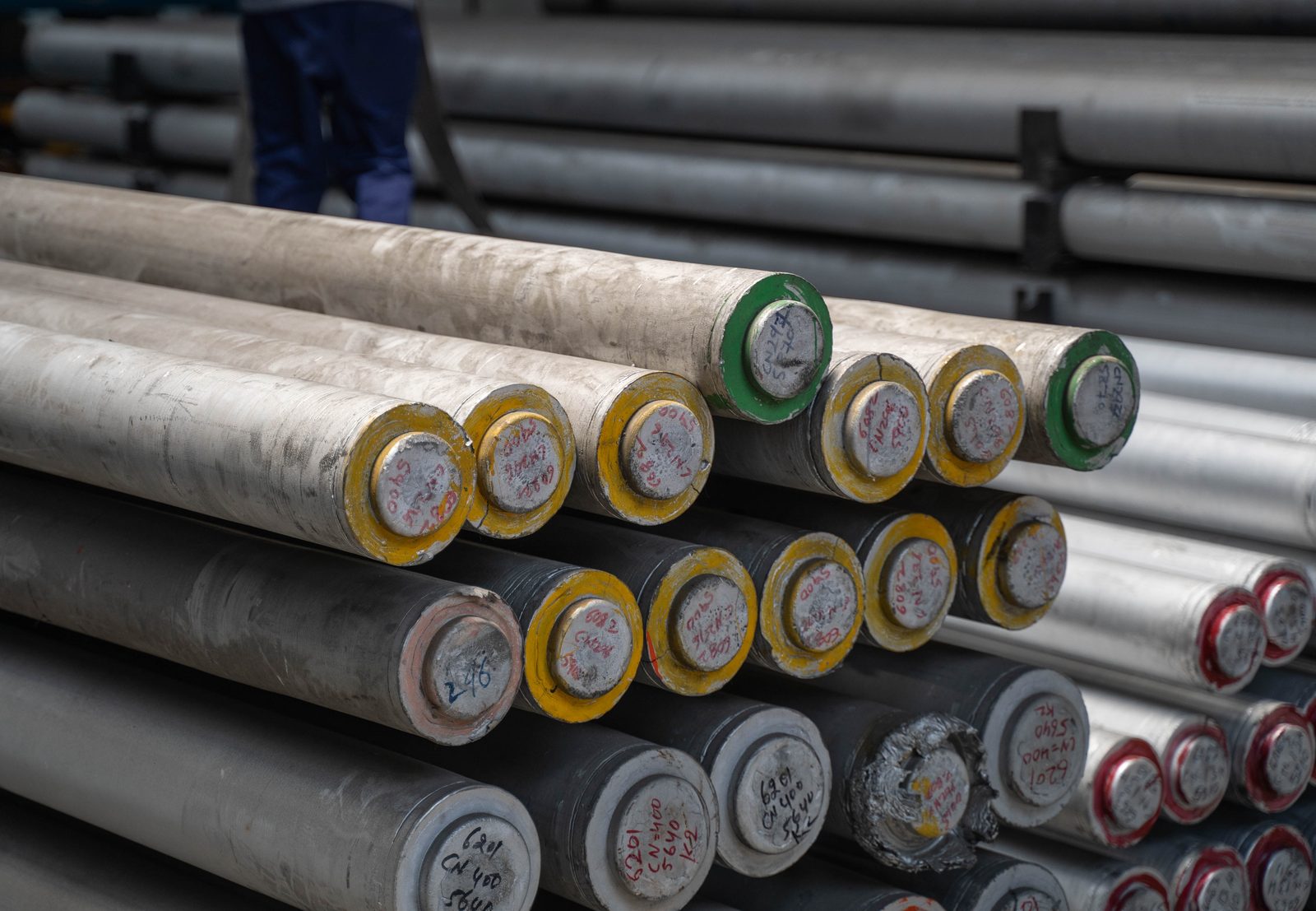
Getting the temper right is not just about running the ageing oven at the correct temperature. It starts with the billet composition, passes through press control and cooling speed, and finishes with precise ageing settings. Variations at any stage produce aluminium sections that look correct but fall short on strength.
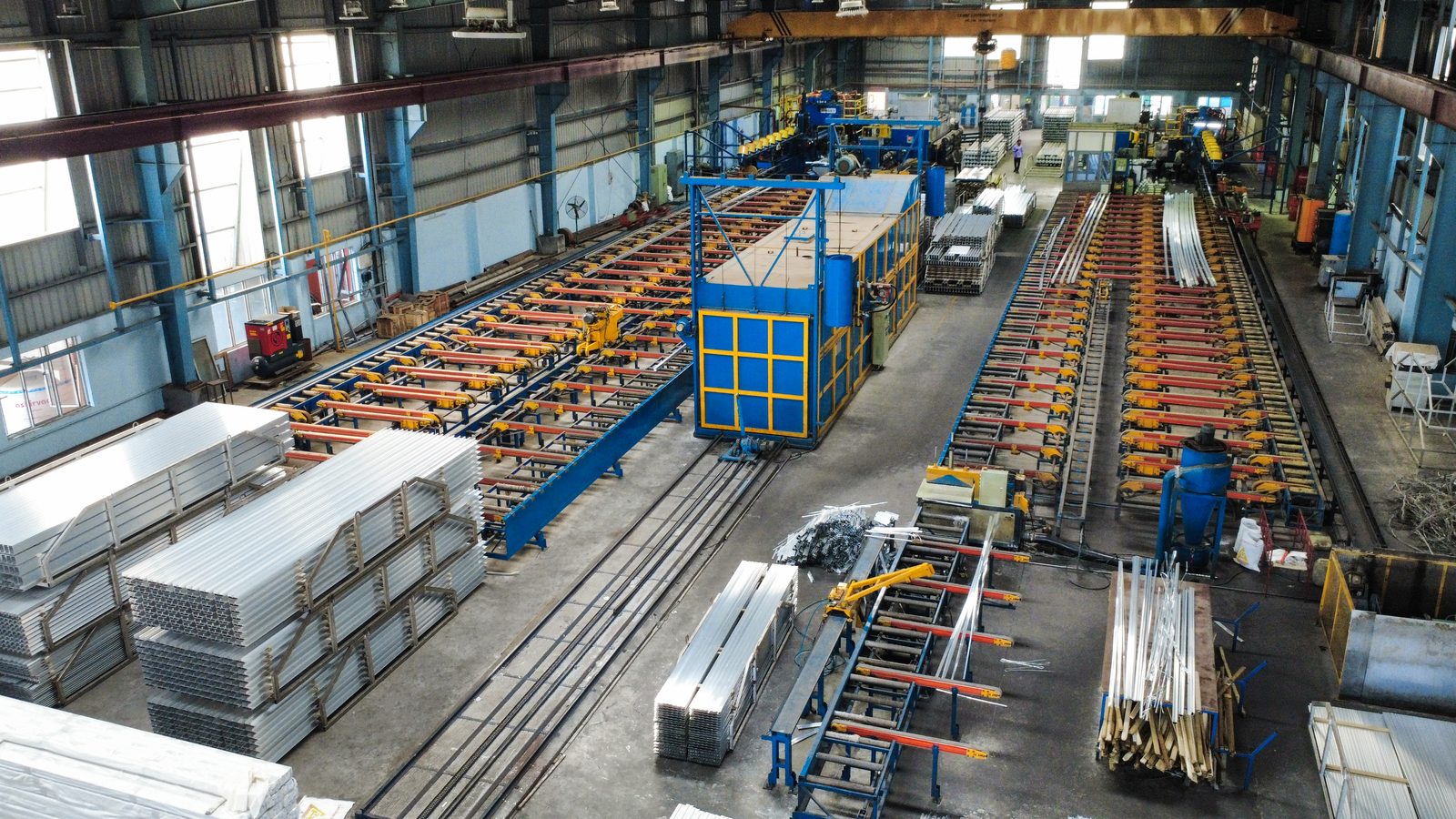
With over five decades in aluminium, Karnataka Metal Company operates the full thermal processing chain in-house, from billet selection through extrusion, quenching, and artificial ageing.
- ISO 9001:2015 & ISO 14001:2015 and BIS/ISI certified facility
- In-house testing laboratory well-equipped to match global standards, verifying every batch for tensile strength, yield strength, and hardness against the declared temper specification. Third-party testing is also available if required.
- In-house furnace for casting billets with verified chemical composition as per standard. The right alloy composition is the starting point for achieving target mechanical properties after extrusion and ageing.
- In-house extrusion presses (1540T and 700T) with controlled quench systems for T5, T6, and T66 processing
- In-house ageing ovens with calibrated time and temperature settings for consistent results
- Full 6000 series alloys (6063, 6060, 6061, 6005, 6082, 6351, 6101B) processed in T4, T5, T6, and T66 tempers
- In-house die design and manufacturing centre for optimising profile geometry to suit each temper. We also review whether a profile design is suitable for extrusion in the specified alloy and recommend improvements to achieve better extrudability or mechanical properties.
- Finishing and machining: Anodising and powder coating are outsourced but fully managed by us. Surface preparation like buffing and shot blasting is done in-house, along with cutting, punching, CNC machining, laser marking, assembly, and special packing
As an integrated supplier, we also provide machining services, glass products, and aluminium profiles from the same Bangalore campus, enabling smoother coordination across project stages.
Get in Touch
Contact us for temper selection guidance, custom profile design, and competitive pricing.
- Phone: +91 80 2670 9928
- Email: sales@karnatakametal.com
- Visit us: 16 & 17, A.M Road, Kalasipalya Extension, Bangalore 560002
Get in touch for a consultation and quote.