A tender for a new IT park in Hyderabad now asks for the carbon footprint of aluminium extrusions alongside the price per kilogram. Two years ago, that line did not exist on the bid sheet. With IGBC Version 4.0, the Carbon Credit Trading Scheme, and Extended Producer Responsibility gaining traction, aluminium recycling and green manufacturing are no longer optional for extrusion suppliers in India.
For architects, builders, procurement professionals, and sustainability officers specifying aluminium profiles for Indian projects, this guide covers the recycling advantage, the energy numbers, the green building credits aluminium can earn, and what to look for in a supplier.
Why Aluminium Is Considered a Sustainable Material
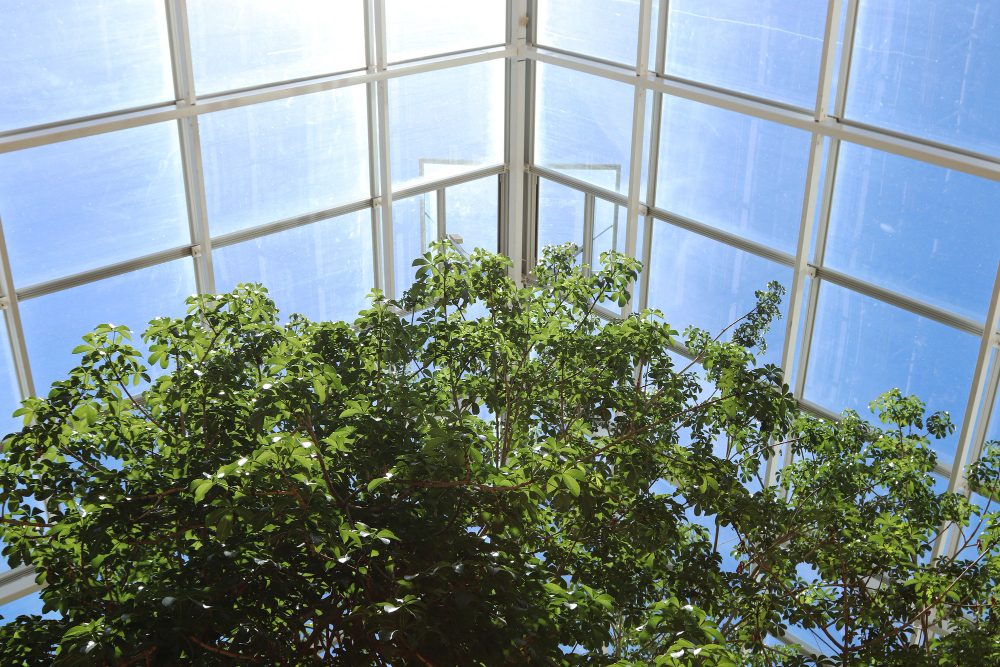
Aluminium's sustainability case rests on three strengths: recyclability, durability, and lightweight.
Infinite recyclability
Aluminium can be melted down and re-extruded repeatedly without losing any strength or quality. A recycled 6063 billet performs identically to a freshly smelted one.
Long service life
Anodised or powder-coated aluminium sections last 25 to 50 years in building applications with minimal maintenance, reducing the need for replacement.
Lightweight design
Aluminium weighs roughly one-third as much as steel, meaning less material is needed to do the same job. This also cuts transport costs across the supply chain.
Aluminium Recycling: The Energy and Emissions Advantage
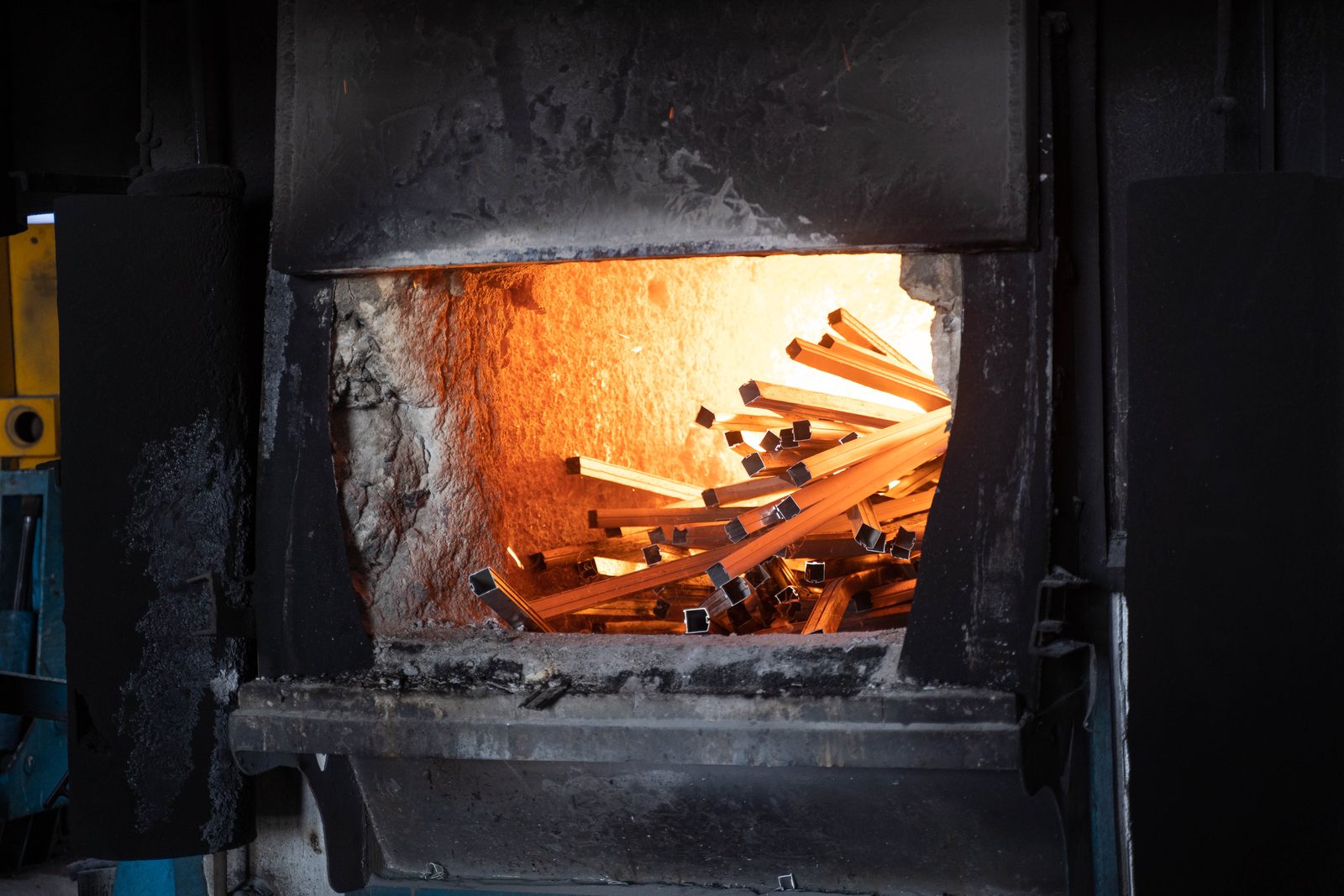
The environmental case for aluminium recycling is built on one number: recycling aluminium uses approximately 95% less energy than producing primary aluminium from bauxite ore. The corresponding reduction in CO2 emissions is roughly 90%.
Making new aluminium from ore consumes approximately 14,000 to 16,000 kWh of electricity per tonne. Recycling the same tonne requires only 700 to 800 kWh, because the metal simply needs to be melted (at around 660°C) rather than extracted from raw ore through an energy-heavy smelting process.
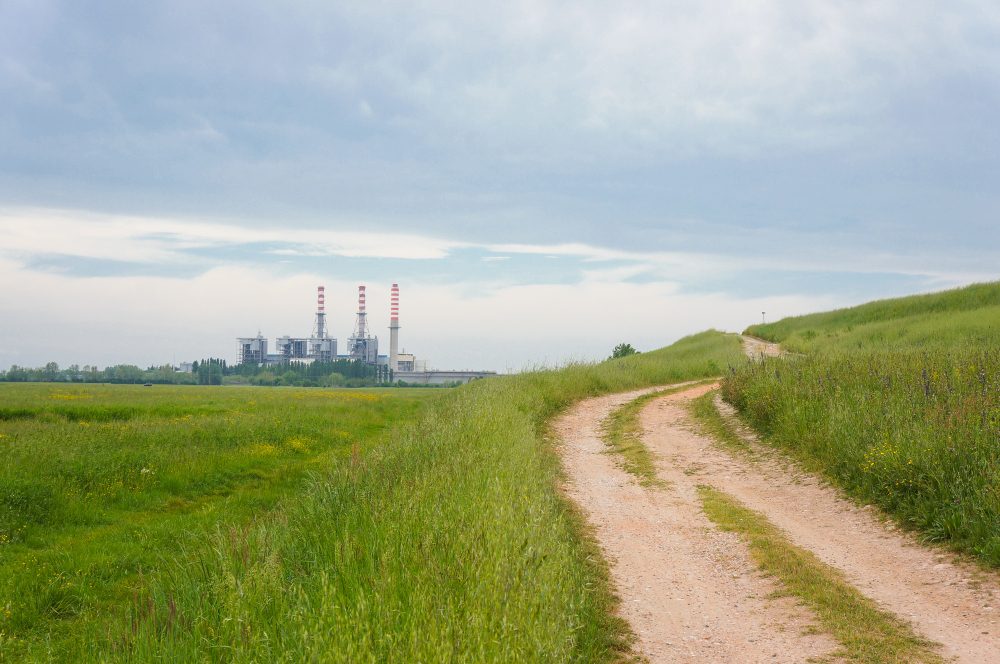
Indian primary aluminium averages 20.88 tonnes of CO2e per tonne (2019-2020), among the most carbon-intensive globally and well above the global average of 16.8 tonnes of CO2e per tonne, largely because the majority of smelting electricity comes from captive coal plants.
At Karnataka Metal Company, we use 40% recycled aluminium input on average as part of our sourcing policy, with the flexibility to increase or decrease the recycled content based on project requirements. Our in-house secondary melting facility allows us to cast our own billets from recycled scrap, giving us direct control over recycled content and alloy composition.
India's Secondary Aluminium Industry
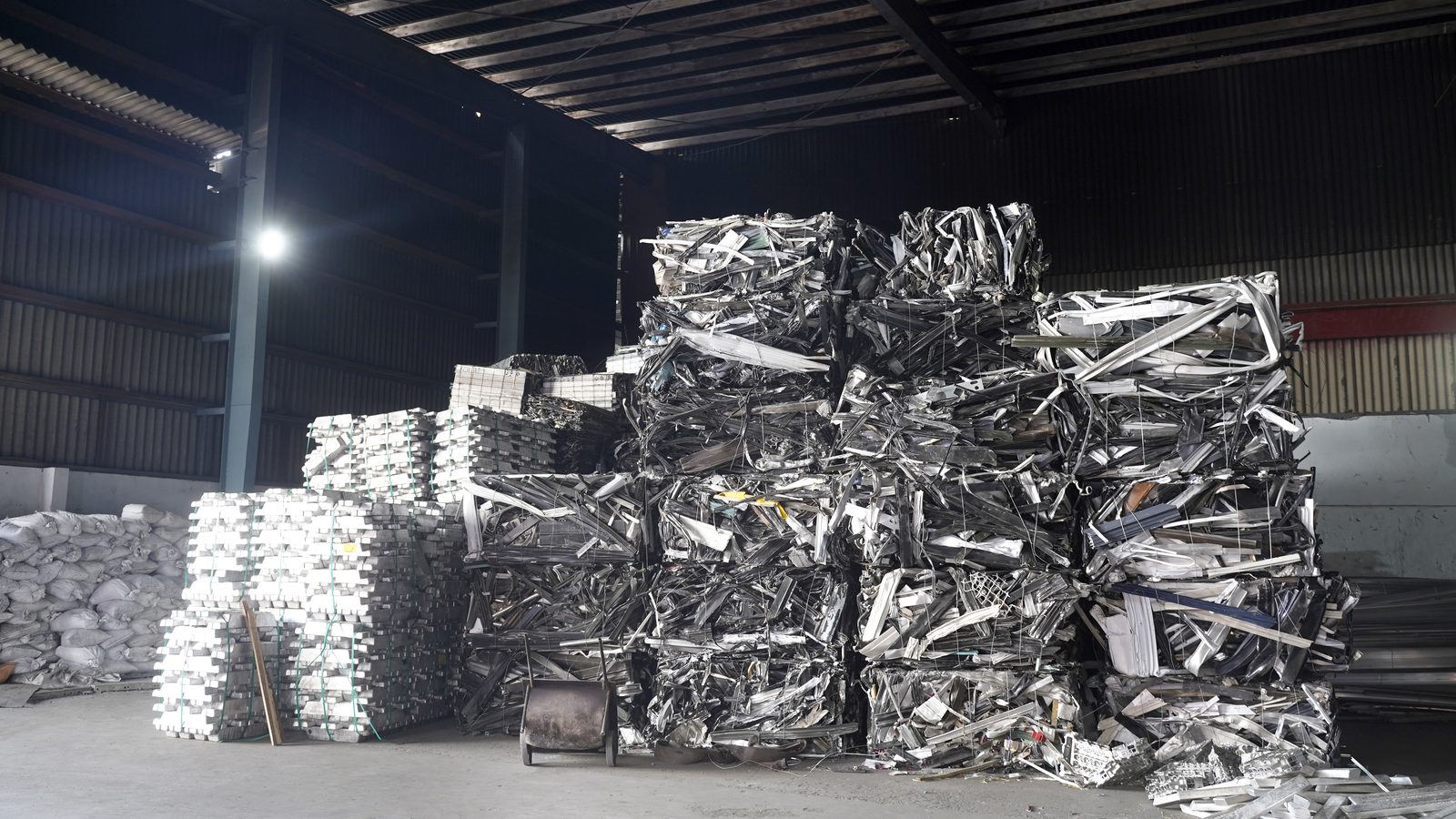
India has a large and growing recycled aluminium sector that supplies a major share of the country's aluminium needs.
- According to industry estimates, recycled aluminium accounts for approximately 40% of India's total aluminium supply, with a recycling capacity exceeding 2 million TPA.
- According to MRAI data, scrap sourcing is roughly 20% domestic and 80% imported, though the domestic scrap pool is growing as India's building stock matures and more aluminium reaches end-of-life.
- The Material Recycling Association of India (MRAI), with over 1,200 members, represents the organised recycling sector and advocates for policies that support domestic recycling infrastructure.
Challenges remain. The primary challenge in recycling aluminium is the segregation of different metals and preventing attachments in the aluminium scrap. These attachments create impurities that reduce the quality of secondary aluminium. For example, screws that remain attached to aluminium scrap add iron (Fe) impurities to the melt.
Karnataka Metal Company addresses this through controlled scrap sourcing. We work with specific vendors to ensure a higher quality of scrap input, and also purchase high-quality imported scrap or manufacturing surplus directly from customers. Material rejections from our machining centre and from customers are reprocessed through our secondary melting facility rather than discarded.
Indian Regulations Driving Green Aluminium
India's own regulatory framework is making the carbon footprint of aluminium a commercial concern, not just an environmental preference.
Carbon Credit Trading Scheme (CCTS)
The Energy Conservation (Amendment) Act, 2022 creates the framework for India's carbon credit trading scheme and future emission-related compliance requirements for energy-intensive industries, including aluminium. While the broader framework has been notified, sector-level implementation is still evolving. Once enforced, primary aluminium producers may face stricter emission-intensity and energy-efficiency norms, with penalties for non-compliance prescribed under the Act. Any resulting compliance costs could eventually flow downstream to aluminium extrusion manufacturers and customers.
EPR for aluminium building products
From 1 April 2026, Extended Producer Responsibility rules cover 18 product categories containing aluminium, including doors, windows, shutters, ACP, partitions, and roofing sheets. Recycling targets start at 10% in FY 2026-27 and rise to 75% by FY 2032-33. This creates a direct pull for recycled-content aluminium extrusion products in the construction market.
IGBC Version 4.0
From 1 May 2026, all new IGBC green building certifications must follow Version 4.0, which gives stronger credit to materials with recycled content, Environmental Product Declarations (EPDs), and CII-GreenPro certification. For architects specifying aluminium on green-rated projects, sourcing from manufacturers with documented aluminium recycling practices will earn material credits directly.
According to published corporate targets, India's four largest primary aluminium producers are investing approximately USD 5 billion toward 20 GW of renewable energy capacity by 2030, positioning India as a source of green aluminium made with clean electricity. For aluminium extrusion buyers in India, this means the carbon footprint of the billet is becoming a specification item, not just a marketing claim.
Sustainability in the Extrusion Process at Karnataka Metal Company
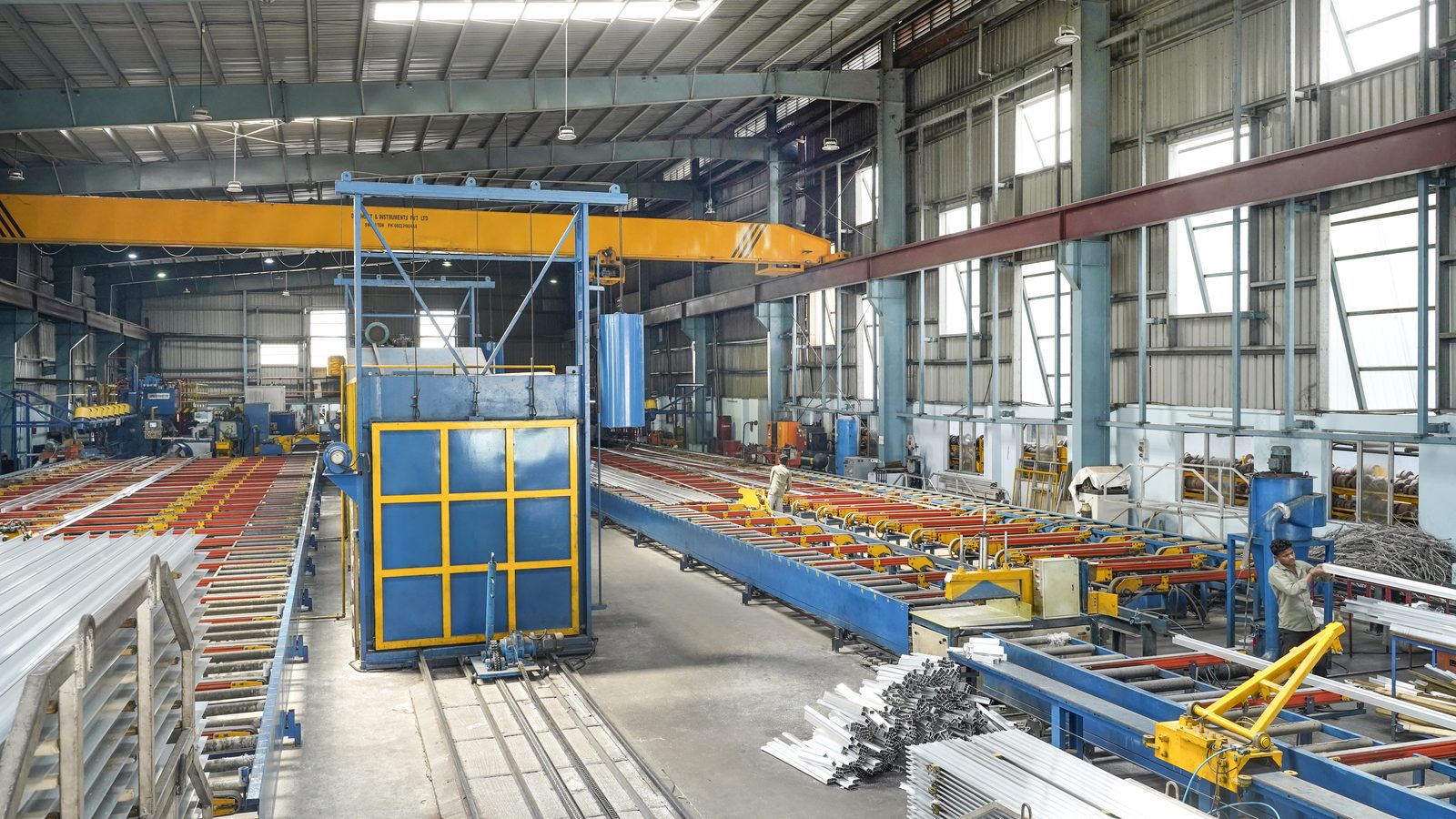
Beyond the billet, the extrusion process itself offers several sustainability advantages over alternative forming methods. At Karnataka Metal Company, these advantages are backed by a measured and documented sustainability programme.
At Karnataka Metal Company the same thinking runs through the plant itself, set out in our 2024 sustainability report.
We believe in being responsible towards the environment, mindful of the generations to come, and all that is part of the eco-system. We choose to not give credence to the greed in the inevitable path of capitalism.
In 2024 we conducted a carbon footprint study (cradle to gate) according to ISO 14067, and found that Karnataka Metal Company emits 12.7 tCO2e per tonne of aluminium. Primary aluminium in India is one of the most carbon intensive globally, and the global average sits between the two.
| Carbon footprint | tCO2e per tonne of aluminium |
|---|---|
| Karnataka Metal Company (2024 study, cradle to gate, ISO 14067) | 12.7 |
| Global average | 16.8 |
| Primary aluminium in India (2019-2020) | 20.88 |
Even after this study, we have taken further steps to reduce emissions and move towards being a responsible manufacturer.
Sustainable Aluminium in Green Building Certifications
Indian green building rating systems recognise aluminium's sustainability credentials across several credit categories.
| Rating System | Relevant Credits |
|---|---|
| IGBC (Indian Green Building Council) | Recycled content, regional materials, energy-efficient envelope |
| GRIHA (Green Rating for Integrated Habitat Assessment) | Embodied energy, lifecycle assessment, recyclable materials |
| LEED India | Materials and resources (recycled content), regional priority |
| ECBC 2017 | Building envelope performance (aluminium framing for DGU systems) |
Using recycled-content aluminium extrusions can earn recycled material credits directly, while aluminium's durability and recyclability improve the building's overall sustainability score. For facade projects, pairing aluminium framing with energy-efficient double glazed glass helps meet ECBC building envelope requirements.
Suppliers with ISO 14001:2015 certification, which covers Environment Management Systems for sustainability, waste management, and green manufacturing, provide additional documentation that auditors look for during green building certification reviews. Karnataka Metal Company holds both ISO 9001:2015 and ISO 14001:2015 certifications.
Applications Driving Sustainable Aluminium Demand in India
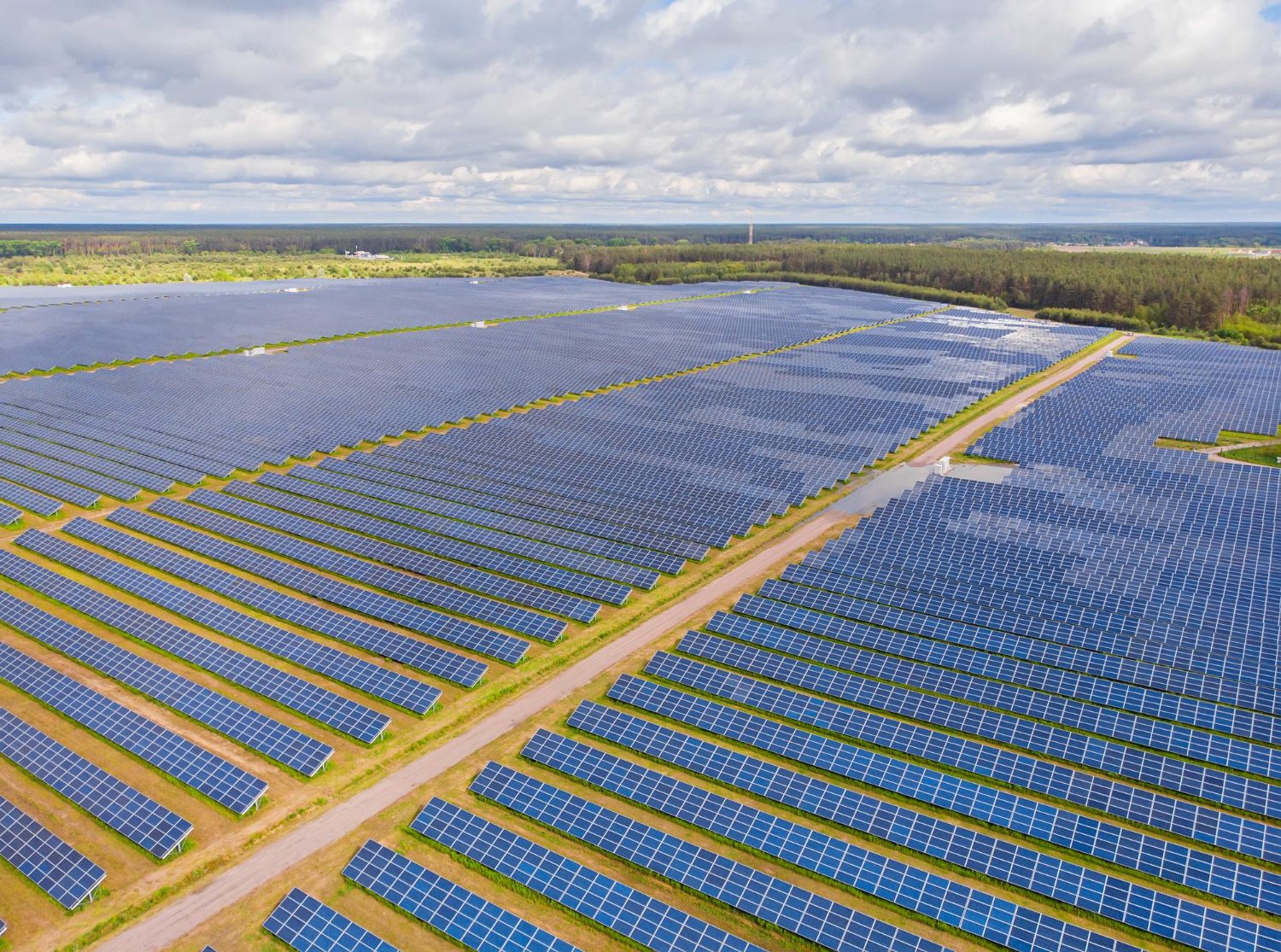
Three sectors are accelerating the demand for sustainably produced aluminium extrusions in India.
BIS Quality Control and Sustainable Sourcing
Under the Aluminium Quality Control Order, all aluminium extrusions sold in India must carry the BIS Standard Mark (ISI mark) under the applicable IS standard (IS 733 for general engineering sections, IS 1285 for tubes and hollow sections, IS 1948 for doors and windows). This certification framework ensures that both primary and recycled billets meet the required alloy composition and mechanical property standards.
For sustainability-focused procurement, specifying BIS-certified aluminium extrusions from organised manufacturers with documented recycling practices provides the traceability that green building audits require. Karnataka Metal Company's in-house testing covers IS 733, IS 1285, and IS 1948, as well as relevant EN and ASTM standards.
For a deeper understanding of how extrusions are manufactured, read our guide on the aluminium extrusion process.
Why Choose Karnataka Metal Company for Sustainable Aluminium Extrusions?
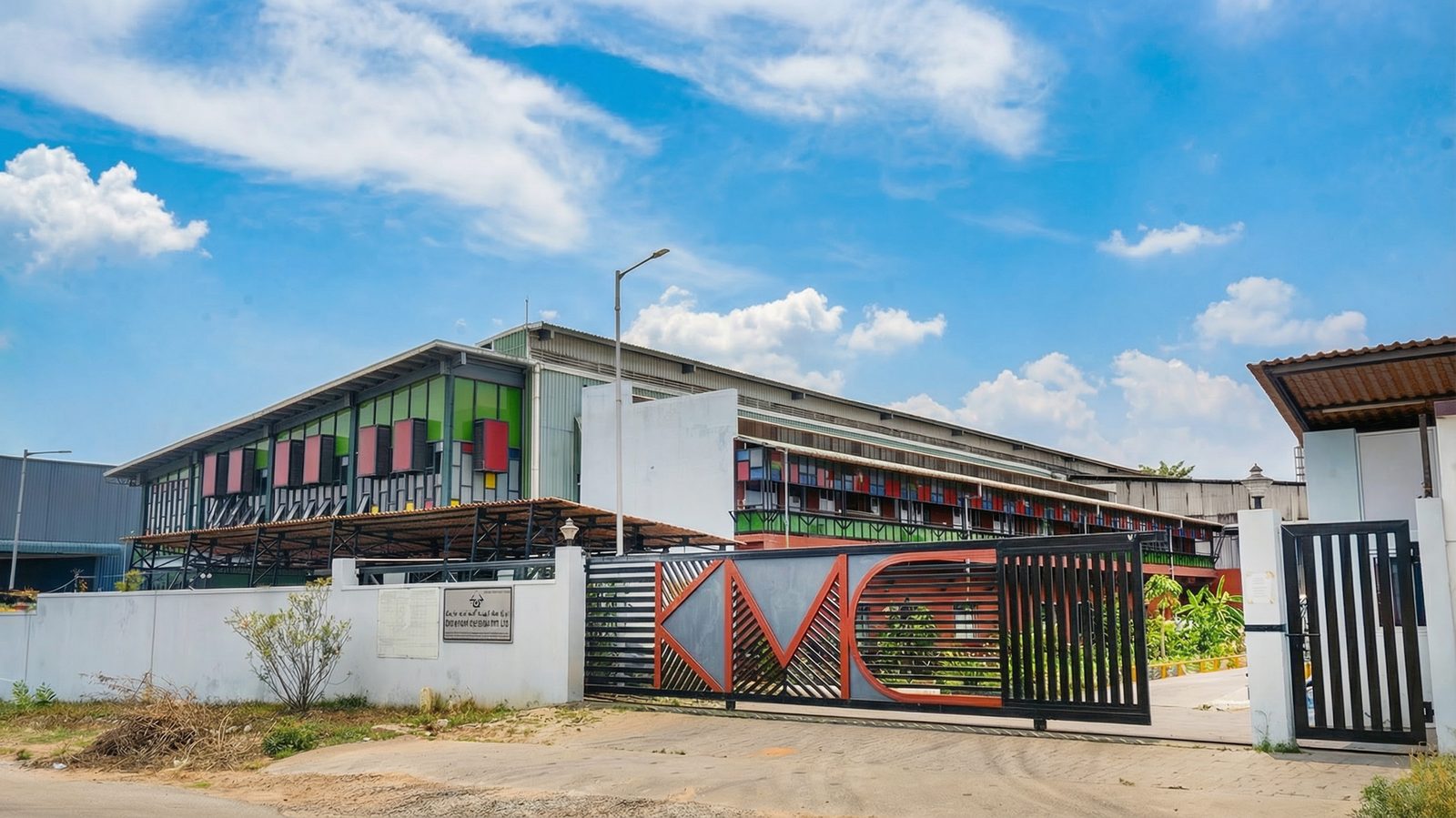
As one of South India's established integrated aluminium and glass companies, Karnataka Metal Company pairs the sustainability programme described above with full in-house manufacturing capability.
Our 50,000 sq ft extrusion plant in Dabaspet, Bangalore operates at 4,800 TPA capacity. The adjacent 35,000 sq ft machining facility handles surface preparation (buffing, shot blasting), cutting, punching, CNC machining, laser marking, assembly, and special packing in-house. Anodising and powder coating are outsourced but fully managed by us.
- Full 6000 series coverage (6063, 6060, 6061, 6005, 6082, 6351, 6101B) in T4, T5, T6, and T66 tempers, including alloys specified for solar frames and EV components
As an integrated supplier, we also provide glass products and machining services from the same Bangalore campus, enabling architects to source facade aluminium and glazing from a single supplier with a shorter, more transparent supply chain.
Get in Touch
Contact us for sustainable aluminium extrusion guidance and competitive pricing.
- Phone: +91 80 2670 9928
- Email: sales@karnatakametal.com
- Visit us: 16 & 17, A.M Road, Kalasipalya Extension, Bangalore 560002
Get in touch for a consultation and quote.