



About Us
Projects Contact / Get a Quote

Aluminium Composite Panels: The Complete Guide to ACP Cladding

What aluminium composite panels are, how they compare to stone, HPL, and metal cladding, and what NBC 2016 requires for fire safety. 300+ colours from authorised Aludecor distributor, Bangalore.

Building materials since 1974
50+ Years
In Building Materials Since 1974
Lightweight panels
3.5 to 5.6 kg/sqm
10x Lighter Than Stone
Fire grades
4 Fire Grades
PE, FR, A2, AG+
Colours and finishes
300+
Colours and Finishes
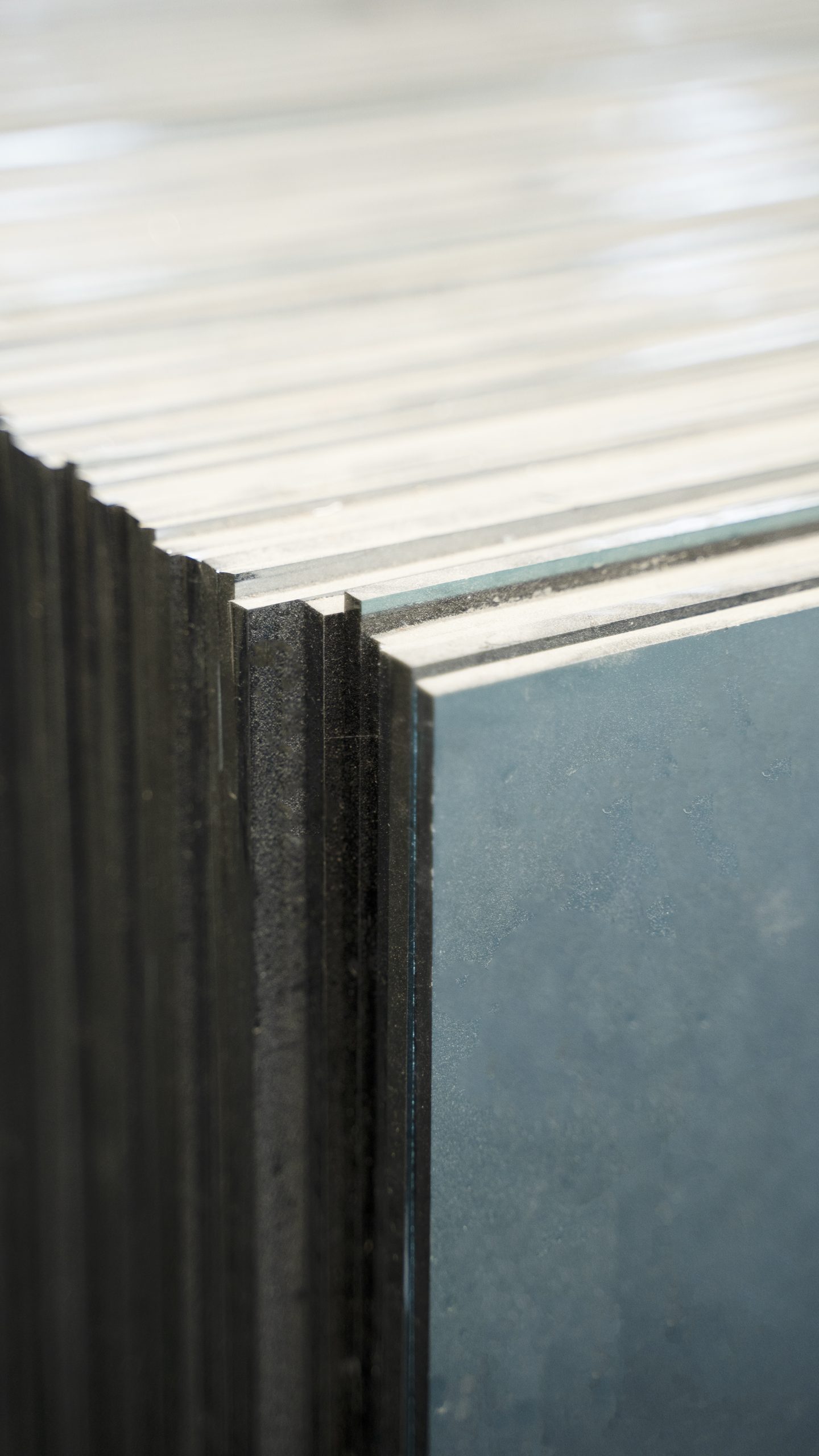
Aluminium composite panel cross-section showing aluminium skins and core structure

An aluminium composite panel (ACP) is a flat panel made of two thin aluminium sheets bonded to a non-aluminium core, used as exterior cladding and interior wall panelling in commercial, institutional, and residential buildings. For ready stock, specifications, and purchasing, see the ACP sheets and panels page.

What Makes Aluminium Composite Panels a Preferred Cladding Material

Aluminium composite panels combine low weight, design flexibility, and weather resistance in a flat, rigid board format that is faster and cheaper to install than traditional cladding materials.

Diagram showing aluminium composite panel structure with two aluminium skins and core

Panel Structure

An ACP board consists of two aluminium skins (typically 0.25 mm to 0.50 mm thick) bonded to a core material using a continuous lamination process. The result is a flat, rigid panel weighing 3.5 to 5.6 kg/sqm, roughly one-tenth the weight of natural stone cladding.

Aluminium composite panel fire grade comparison showing PE, FR, and A2 cores

Core Types and Fire Ratings

The core material determines the fire rating: PE (polyethylene, B2), FR (mineral-filled, B1), and A2 (90%+ inorganic, A2-s1,d0). NBC 2016 mandates FR minimum for buildings above 15 metres. For full fire grade details, see the ACP sheets and panels page.

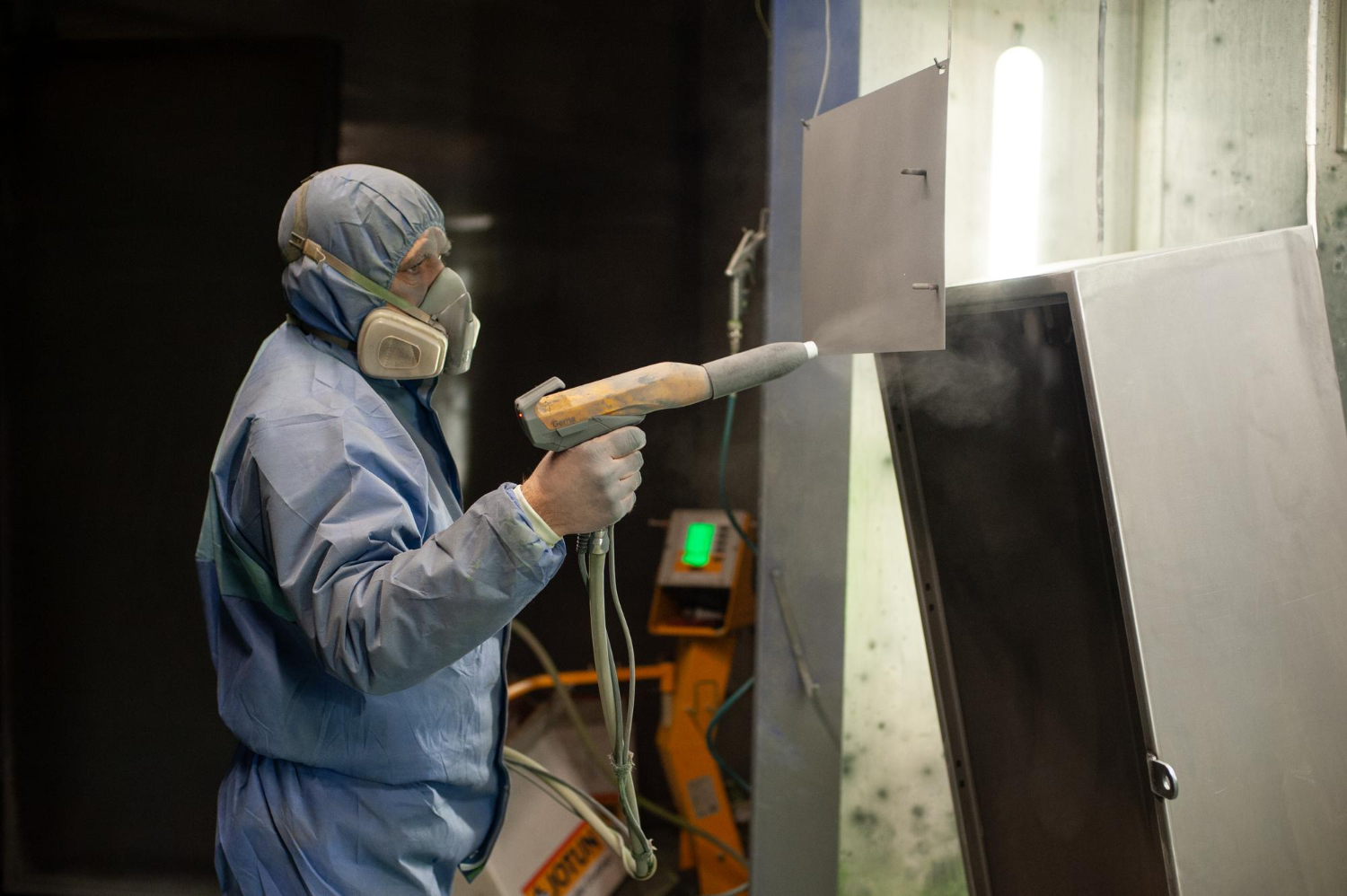
PVDF and PE coating comparison on aluminium composite panels

Coatings and Colour Retention

PE (polyester) coating retains colour for 5 to 10 years and is suitable for interiors. PVDF (polyvinylidene fluoride, 70% Kynar 500 resin) retains colour for 25 to 30+ years outdoors and carries a 10 to 15 year manufacturer warranty. Always specify PVDF for exterior aluminium composite panel cladding.

Aluminium composite panels in solid, metallic, wood grain, and stone finishes

Design Flexibility

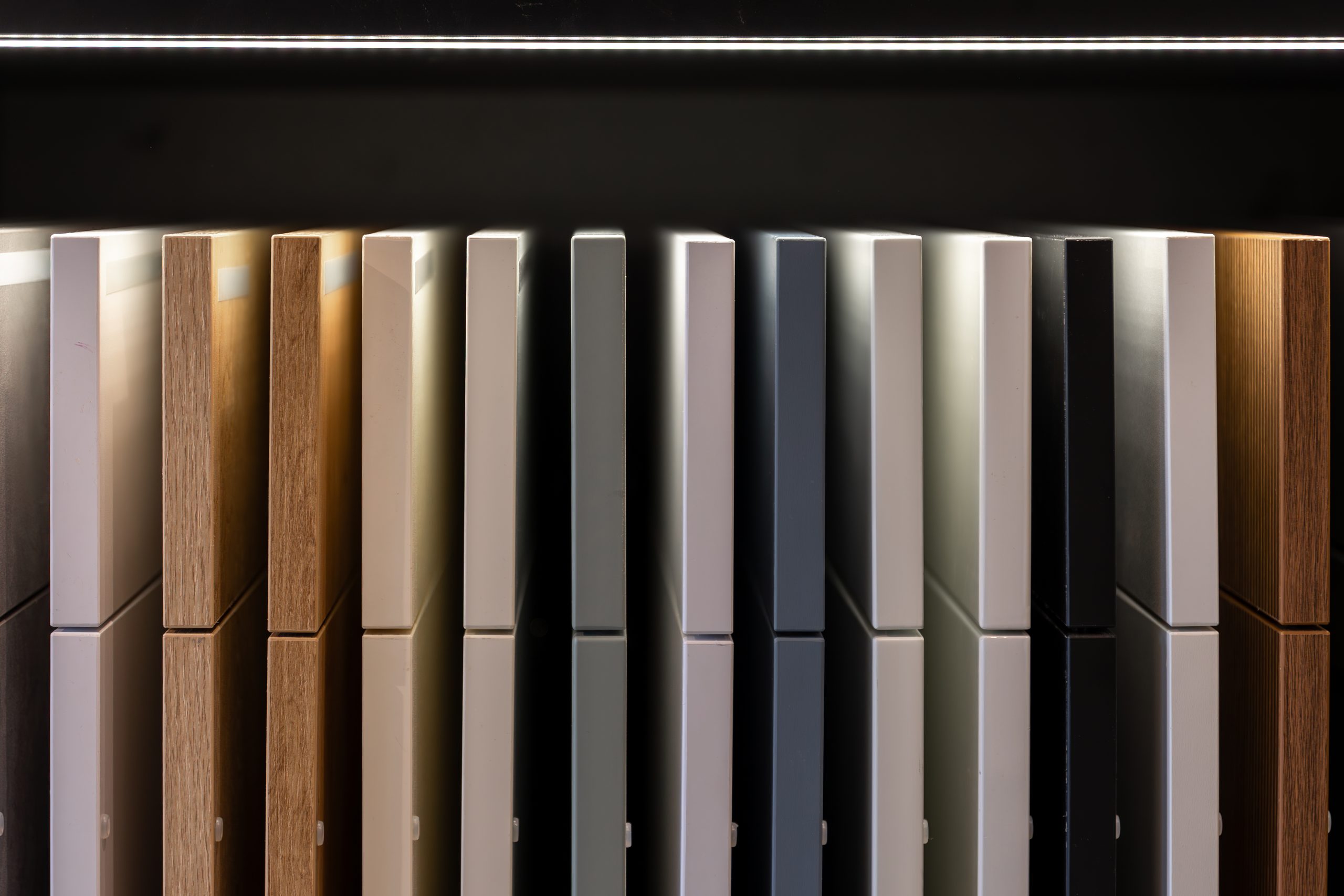
Available in 300+ colours and finishes including solid, metallic, wood grain, stone/marble, and specialty textures. Panels can be flat-cut, folded, routed, perforated, or CNC-shaped for curved or geometric facade designs with no loss of structural rigidity.

Rout and return cassette and direct fix ACP installation methods

Installation Methods

Rout and Return (cassette method): panels are routed on the back, folded into trays, and fixed to an aluminium subframe. Standard for exterior facades. Direct Fix: panels are bonded or mechanically fastened to the substrate. Used for interior wall panelling and signage.

Aluminium Composite Panels vs Alternative Cladding Materials

The table below compares ACP cladding with four common alternatives on the parameters that matter most for facade specification: weight, fire safety, durability, maintenance, and cost.

Comparison of aluminium composite panel cladding with stone, HPL, and metal alternatives
Material Comparison
Property ACP (Aluminium Composite Panel) Natural Stone HPL (High Pressure Laminate) Metal Sheet (Aluminium/Steel) Wood Cladding
Weight per sqm 3.5 to 5.6 kg 40 to 80 kg 5 to 8 kg 3 to 10 kg (depends on metal and gauge) 15 to 25 kg
Fire Rating (best available) A2-s1,d0 (non-combustible) Non-combustible B-s1,d0 (varies) Non-combustible (metal only, no core) Combustible (Class C/D without treatment)
Colour Options 300+ (solid, metallic, wood, stone, specialty) Limited to natural stone colours 200+ (solid, wood, stone) Limited (anodised or powder coated) Natural wood tones (limited)
Outdoor Colour Retention 25 to 30 years (PVDF) Permanent (natural) 10 to 15 years 15 to 25 years (powder coated) 5 to 10 years (requires re-staining)
Panel Flatness Excellent (factory-laminated) Depends on cutting precision Good Prone to oil-canning at larger sizes Irregular (natural material)
Installation Speed Fast (lightweight, dry fixing) Slow (heavy, wet/mechanical fixing) Moderate (dry fixing) Moderate (mechanical fixing) Moderate (mechanical fixing)
Maintenance Low (PVDF self-cleaning) Low to moderate Low Low to moderate (may oxidise) High (re-seal/re-stain every 3-5 years)
Recyclability Fully recyclable (aluminium) Not practically recyclable Limited Fully recyclable Biodegradable
Best For Commercial facades, retail, institutional Premium/luxury, heritage buildings Interior feature walls, soffit cladding Industrial, transport, contemporary architecture Residential accents, hospitality interiors
Installed Cost Comparison (Indicative, India)
Cladding Material Material Cost per Sqft (approx.) Substructure Cost Installation Complexity Total Installed Cost (relative)
ACP (FR, PVDF) Rs 150 to 220 Aluminium subframe Low to moderate Baseline (1x)
Natural Stone (30 mm granite) Rs 250 to 500+ Heavy steel/concrete anchors High (heavy, wet trades) 2x to 3x
HPL (8 mm) Rs 180 to 300 Aluminium subframe Moderate 1.2x to 1.5x
Metal Sheet (2 to 3 mm aluminium) Rs 200 to 350 Steel/aluminium subframe Moderate 1.3x to 1.8x
Wood Cladding (treated) Rs 150 to 400 Timber/steel battens Moderate 1.2x to 2x (plus ongoing maintenance)
Prices are indicative and may vary by project. For detailed per-sqft pricing across all ACP fire grades, see the ACP Sheet Price Guide.

Fire Safety Standards for Aluminium Composite Panels in India

Two regulations govern ACP fire safety in India: the National Building Code (NBC 2016) specifies which fire grade is required based on building height and use, and BIS IS 17682:2021 mandates ISI certification for all ACP panels sold in India.

NBC 2016 Fire Grade Requirements by Building Type
Building Category Height / Use Minimum ACP Fire Grade Rationale
Low-rise commercial and residential Below 15 metres PE (B2) permitted Lower fire risk; PE core is acceptable where fire regulations do not restrict it
Commercial and residential Above 15 metres FR (B1) minimum NBC 2016 (Part 4) mandates fire-retardant core for mid-rise and high-rise buildings
Hospitals, airports, government buildings Any height A2 (A2-s1,d0) recommended Non-combustible core prevents fire contribution in critical occupancy buildings
Metro stations, tunnels Underground/enclosed A2 (A2-s1,d0) required Enclosed spaces require non-combustible materials for evacuation safety
BIS ISI certified aluminium composite panel cladding showing fire grade application
BIS IS 17682:2021 Certification
Requirement Detail
Governing Standard IS 17682:2021 (Aluminium Composite Panels)
ISI Marking Mandatory for all ACP panels sold in India
Phased Enforcement Underway since October 2025
Mark Contents IS 17682 standard number, manufacturer licence number, BIS logo
Fire Test Standard As per IS 17682:2021 fire performance classification
Implication for Buyers Always verify the ISI mark and request a BIS test certificate for the specific batch

Aludecor was the first ACP manufacturer in India to achieve FR A2 certification. As an authorised Aludecor distributor, Karnataka Metal Company supplies BIS-certified ACP panels across all four fire grades. For specifications by grade, see the ACP sheets and panels page.

Where Aluminium Composite Panels Are Used

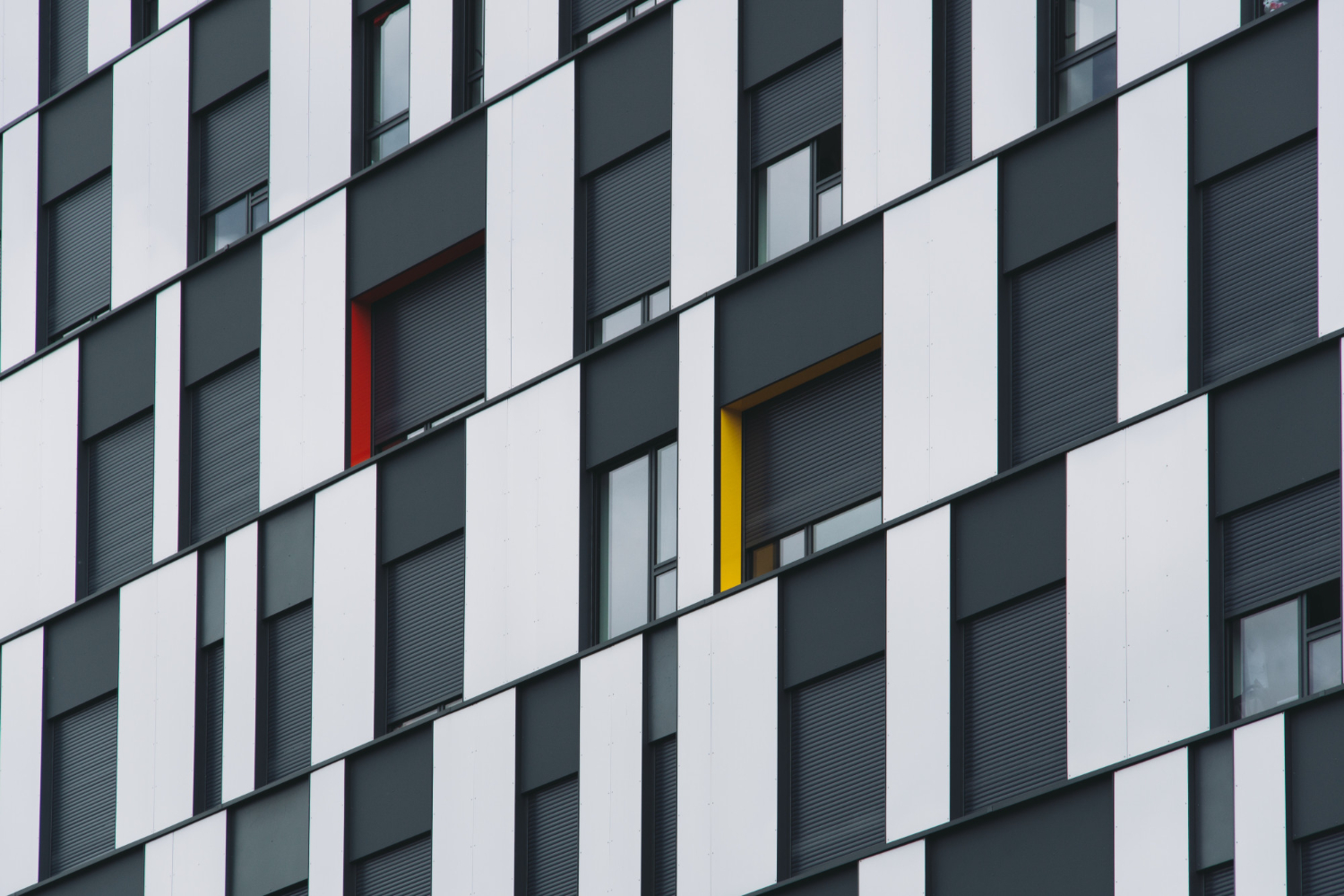
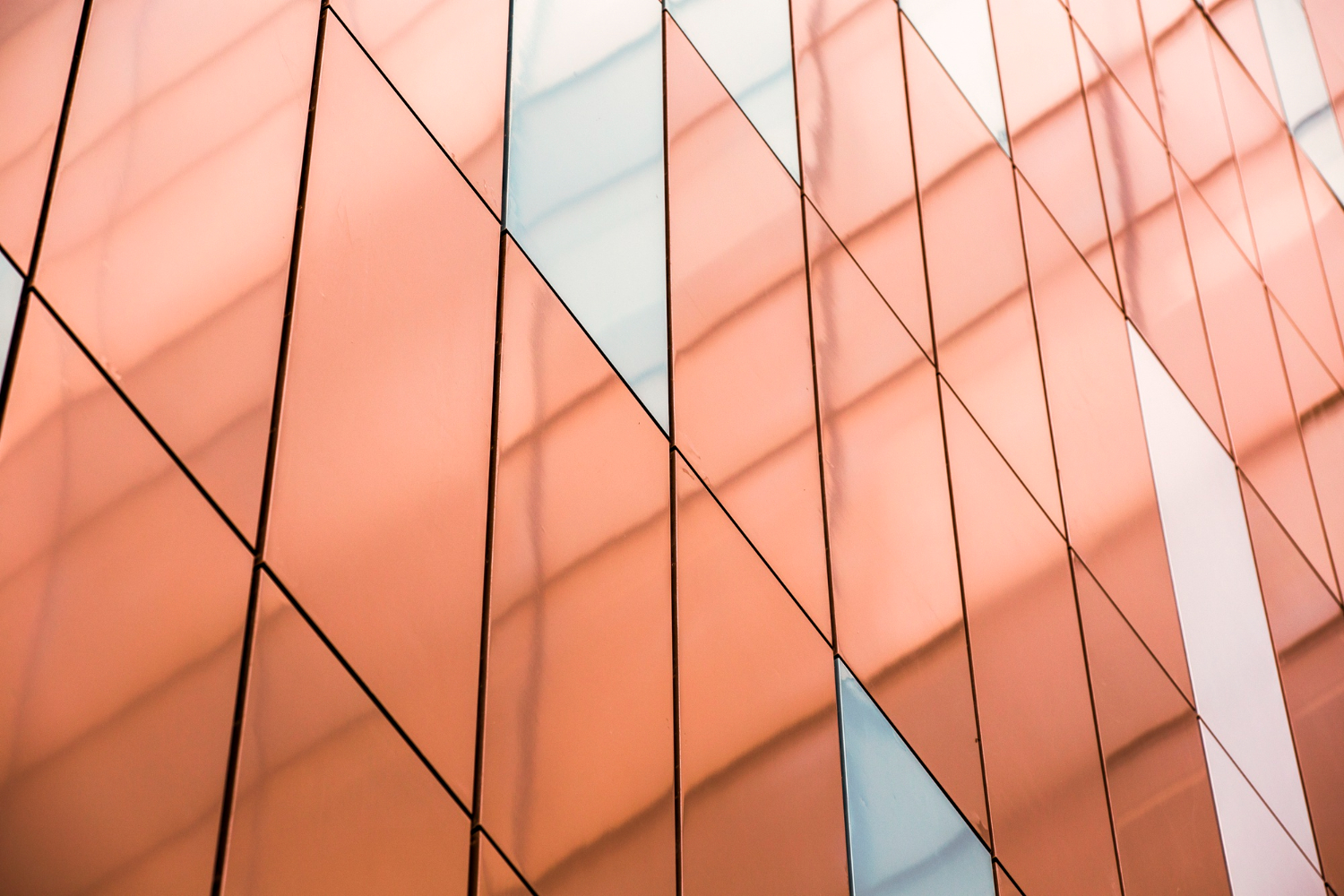
Aluminium composite panel cladding on a commercial office building facade

Commercial Building Facades

The most common application for ACP cladding. Aluminium composite panels in FR or A2 grade provide a lightweight, weather-resistant facade and are cost-effective, with wide colour options and quick installation. Paired with aluminium framing profiles for the substructure.
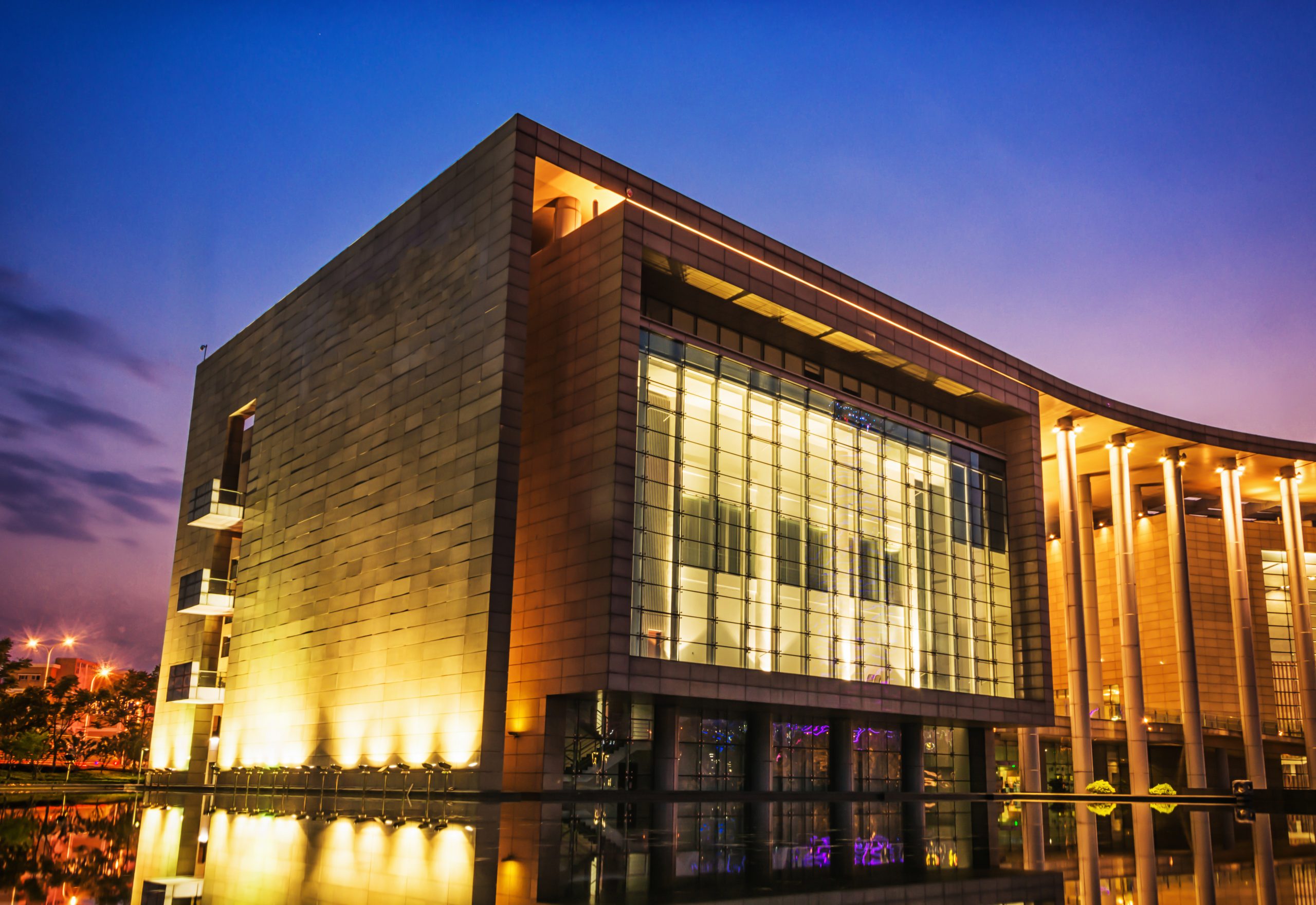
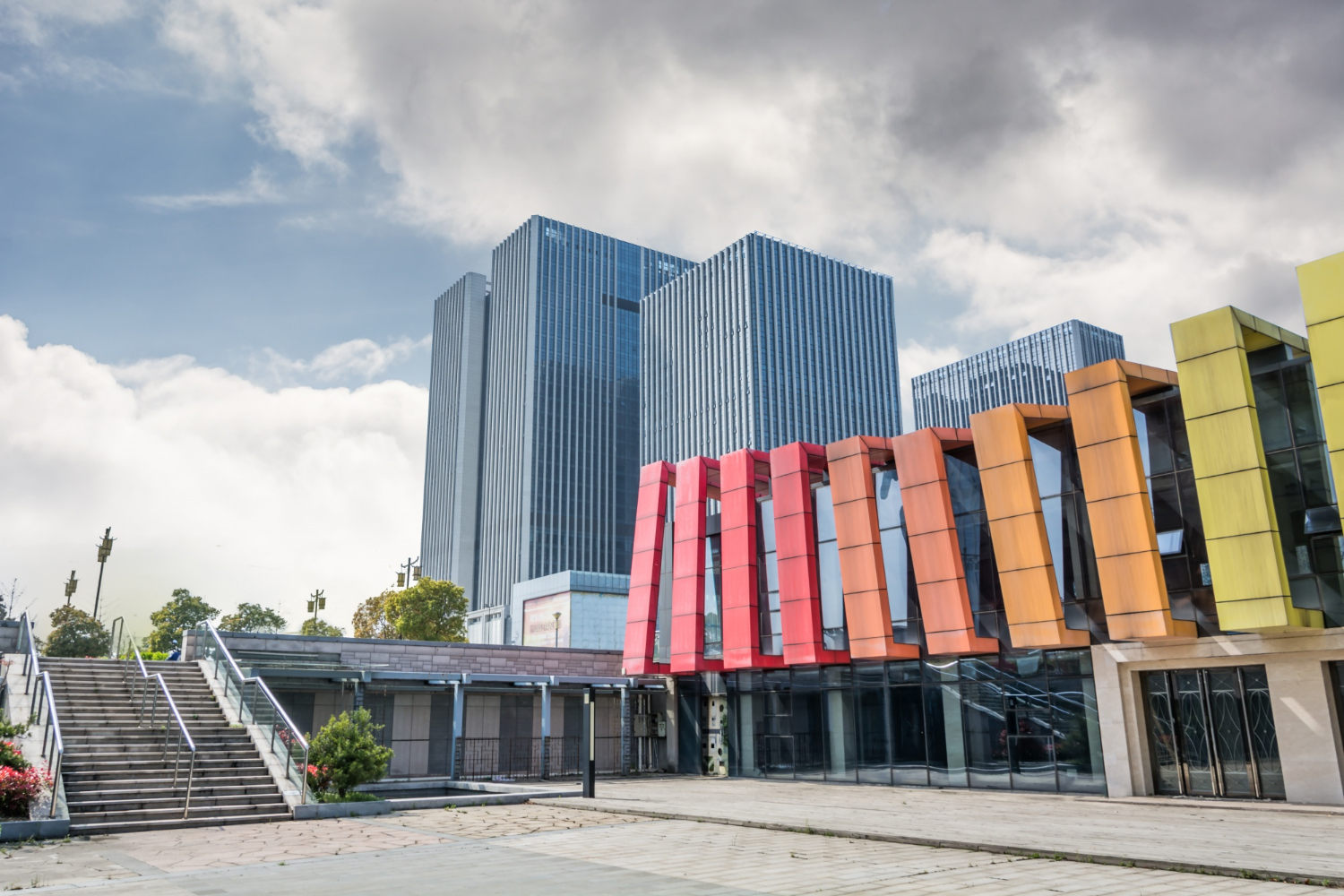
ACP panels on a retail showroom exterior with branded signage

Retail and Showroom Exteriors

ACP panels in metallic and custom colours for branded retail fronts, automotive showrooms, and hospitality entrances. 3 mm PE panels are commonly used for signage; 4 mm FR for the facade itself.

Aluminium composite panels used as wall cladding in airport and metro infrastructure

Airport and Metro Station Interiors

A2 non-combustible ACP panels for airport terminals, metro stations, railway concourses, and bus terminals. The lightweight, flat panels speed up installation for large interior wall areas and column cladding in high-traffic infrastructure projects.

ACP cladding on a residential apartment building elevation

Residential Building Elevations

Wood grain and stone-effect ACP panels for residential tower elevations, villa facades, and gated community entrance features. Delivers the look of natural materials at a fraction of the weight, cost, and maintenance.

Aluminium composite panel used as interior wall panelling in a corporate office lobby

Interior Wall Panelling and Partitions

3 mm PE core ACP boards for interior feature walls, reception areas, column cladding, ceiling panels, and modular partitions. AG+ antibacterial grade available for hospitals and food processing facilities.

Industries Supplied with Aluminium Composite Panels

Commercial Real Estate

Office tower facades

Retail and Hospitality

Showroom cladding, hotel entrances

Airports and Metro

Terminal wall cladding (A2 grade)

Healthcare

Hospital facade and interiors (AG+ grade)

Residential Builders

Apartment elevation panels

Education and Institutional

University and school facades

Signage and Branding

Shop boards, channel letters

Industrial and Warehousing

Factory office facades

Our Clients

Since 2008
Authorised Aludecor Distributor
300+ Colours
Solid, Metallic, Wood, Stone, Specialty
4 Fire Grades
PE, FR, A2, AG+
Pan-India
Delivery Across India

Why Choose Karnataka Metal Company for Aluminium Composite Panels

Authorised Aludecor Distributor Since 2008

Authorised Aludecor distributor for 17+ years. Aludecor is India's largest ACP manufacturer (10.08 million sqm annual capacity, 205-point quality testing) and the first Indian manufacturer to achieve FR A2 certification.

300+ Colours in Ready Stock

Solid, metallic, wood grain, stone/marble, and specialty finishes stocked at the Bangalore retail outlet on A.M Road. Walk in for colour comparison or request physical samples. For the full colour range, visit our ACP sheet dealers in Bangalore page.

Technical Guidance on Fire Compliance

We help architects and builders select the correct fire grade per NBC 2016 (Part 4) and IS 17682:2021. Full specification support from material selection to BIS test certificate documentation.

Integrated Facade Supplier

Aluminium composite panels for cladding + toughened glass for glazing + aluminium profiles for framing, all from a single source. Karnataka Metal Company is the only integrated glass and aluminium company in South India.

No Minimum Order, Flexible Sizing

Buy a single ACP board from the retail outlet or place a bulk project order. Three standard sizes (4x8, 4x10, 4x12 ft) in 3 mm and 4 mm thickness. For pricing across all grades, see the ACP Sheet Price Guide.

ISO 9001 & 14001 Certified, BIS/ISI Products

TUV-certified ISO 9001:2015 and ISO 14001:2015 quality management. All Aludecor ACP panels carry BIS certification per IS 17682:2021.

Get in Touch

Whether you are comparing aluminium composite panels for your first facade project or need a specific fire grade for regulatory compliance, our team can help with material selection, BIS documentation, and competitive pricing across all four Aludecor fire grades.

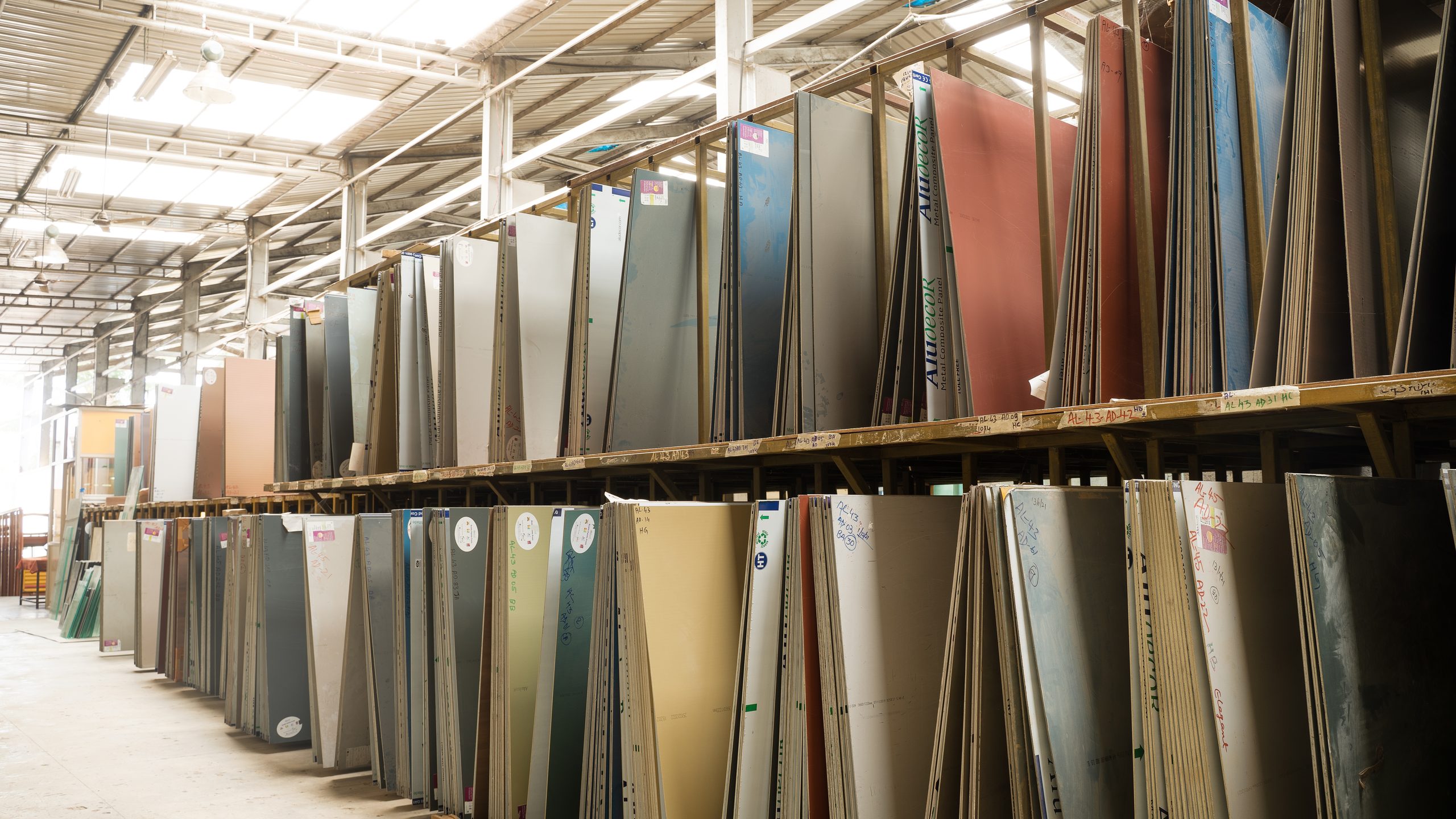
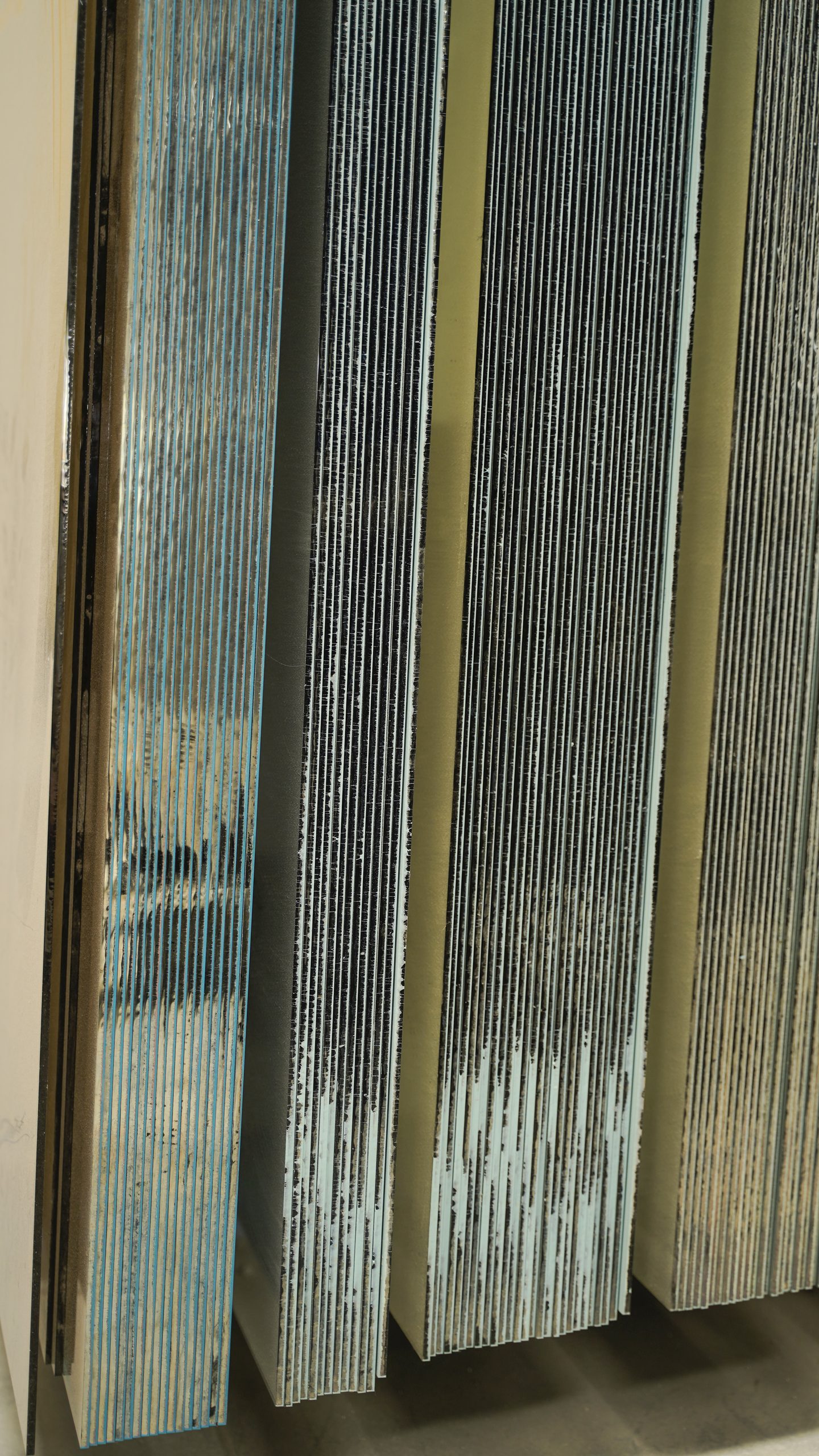
ACP sheets racked by colour at the Karnataka Metal Company warehouse in Bangalore
Retail Outlet16 and 17, A.M Road, Kalasipalya Extension, Bangalore 560002
Contact Us →
Common Questions

Frequently Asked Questions

What are aluminium composite panels? +
Aluminium composite panels (ACP) are flat building panels made of two thin aluminium sheets bonded to a non-aluminium core. The aluminium skins provide weather resistance and rigidity, while the core determines the panel's fire rating and weight. ACP panels are used as exterior cladding, interior wall panelling, signage boards, and ceiling panels across commercial, institutional, and residential buildings.
What is the difference between ACP and HPL cladding? +
ACP (aluminium composite panel) has aluminium skins that provide superior weather resistance and panel flatness, with a weight of 3.5 to 5.6 kg/sqm. HPL (high pressure laminate) is a resin-based panel weighing 5 to 8 kg/sqm, best suited for soffit cladding and interior feature walls. HPL cannot be bent and must be installed as a flat sheet, leaving rivets visible; it cannot be used on curved facades. ACP offers wider colour options (300+ vs 200+), better outdoor colour retention with PVDF coating (25 to 30 years vs 10 to 15 years), and is available in non-combustible A2 grades that HPL cannot match.
Which fire grade of ACP is required for buildings above 15 metres? +
As per NBC 2016 (Part 4), FR (fire retardant, B1 class) is the minimum for buildings above 15 metres. For hospitals, airports, metro stations, and government buildings, A2 non-combustible grade (A2-s1,d0) is recommended. Under BIS IS 17682:2021, all ACP panels must carry the ISI mark regardless of fire grade.
What is the aluminium composite panel price per sq ft? +
ACP panel prices range from approximately Rs 65 per sq ft for 3 mm PE core (interior and signage) to Rs 400+ per sq ft for 4 mm A2 non-combustible grade. The most commonly specified exterior grade, 4 mm FR core with PVDF coating, falls in the Rs 150 to 220 per sq ft range. For detailed pricing by grade, coating, and thickness, see the ACP Sheet Price Guide or contact us for a project-specific quotation.
What is the difference between PE and PVDF coating on ACP? +
PE (polyester) coating is the base finish, retaining colour for 5 to 10 years, suitable for interiors only. PVDF (polyvinylidene fluoride) contains minimum 70% Kynar 500 resin, retains colour for 25 to 30+ years outdoors, and carries a 10 to 15 year manufacturer warranty. Most ACP manufacturers do not warranty PE for exterior use. Always specify PVDF for exterior aluminium composite panel cladding.
How is ACP installed on a building facade? +
The standard exterior method is Rout and Return (cassette): the panel back is routed along fold lines, folded into a tray, and mechanically fixed to an aluminium substructure. This creates clean, concealed joints. Direct Fix is used for interiors and signage, where panels are bonded or screwed directly to the substrate.
Are aluminium composite panels recyclable? +
Yes. The aluminium skins are fully recyclable. At end-of-life, the aluminium is separated from the core and recycled with minimal energy input. Aluminium retains 100% of its properties through infinite recycling. This makes ACP one of the more sustainable cladding options compared to stone (which is quarried and not practically recyclable) and HPL (which has limited recyclability).