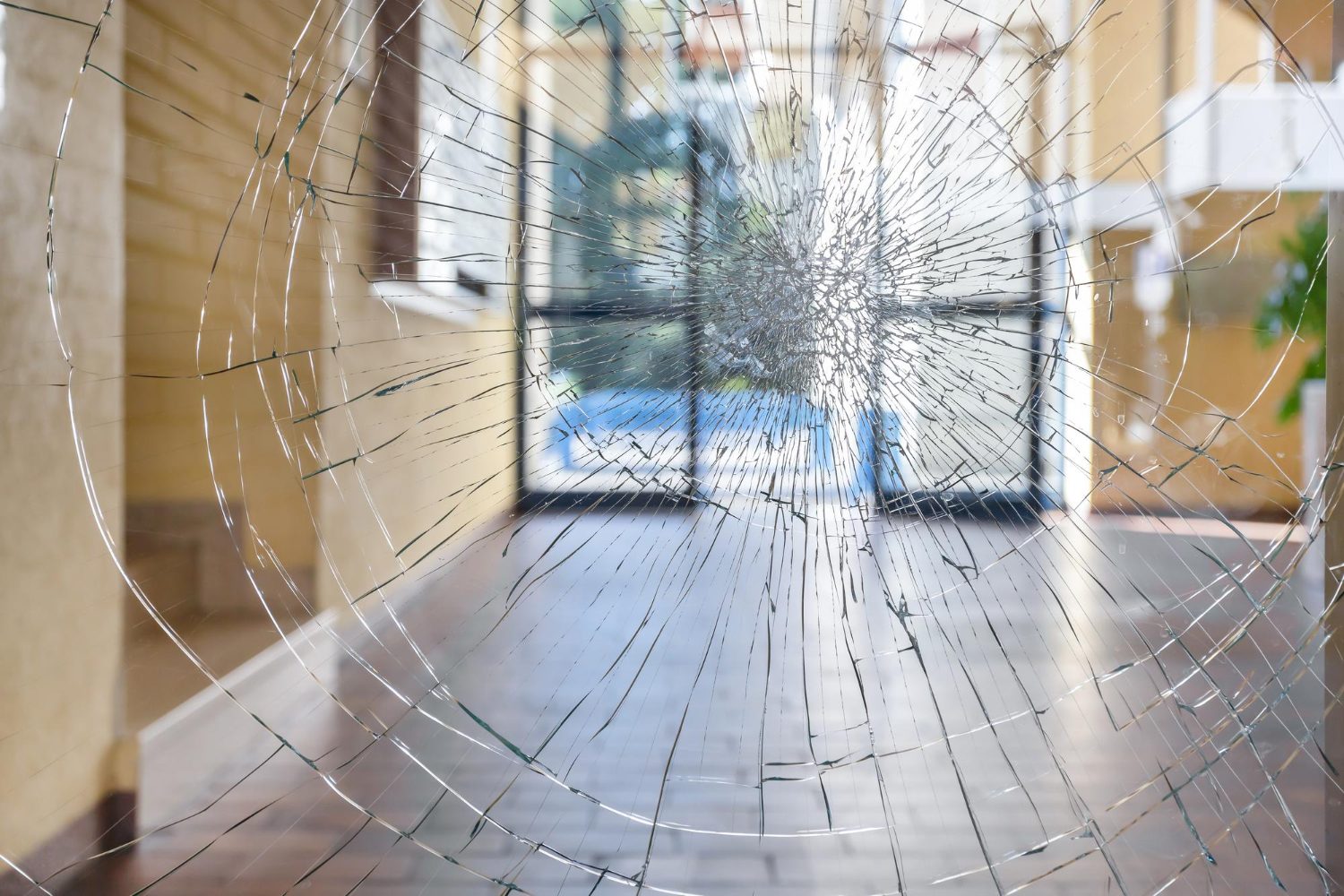
Without impact, storm, or warning, a toughened glass panel on a building facade shatters and rains fragments onto the pavement. This is not as rare as it sounds: nickel sulphide (NiS) inclusions are estimated to occur once in every 4 tonnes of glass produced, and while only a small fraction lead to failure, they remain the primary cause of spontaneous breakage in toughened glass.
For architects, builders, facade contractors, and facility managers working with tempered glass installations, understanding spontaneous glass breakage and how to prevent it is essential for occupant safety and regulatory compliance.
What Is Spontaneous Glass Breakage?
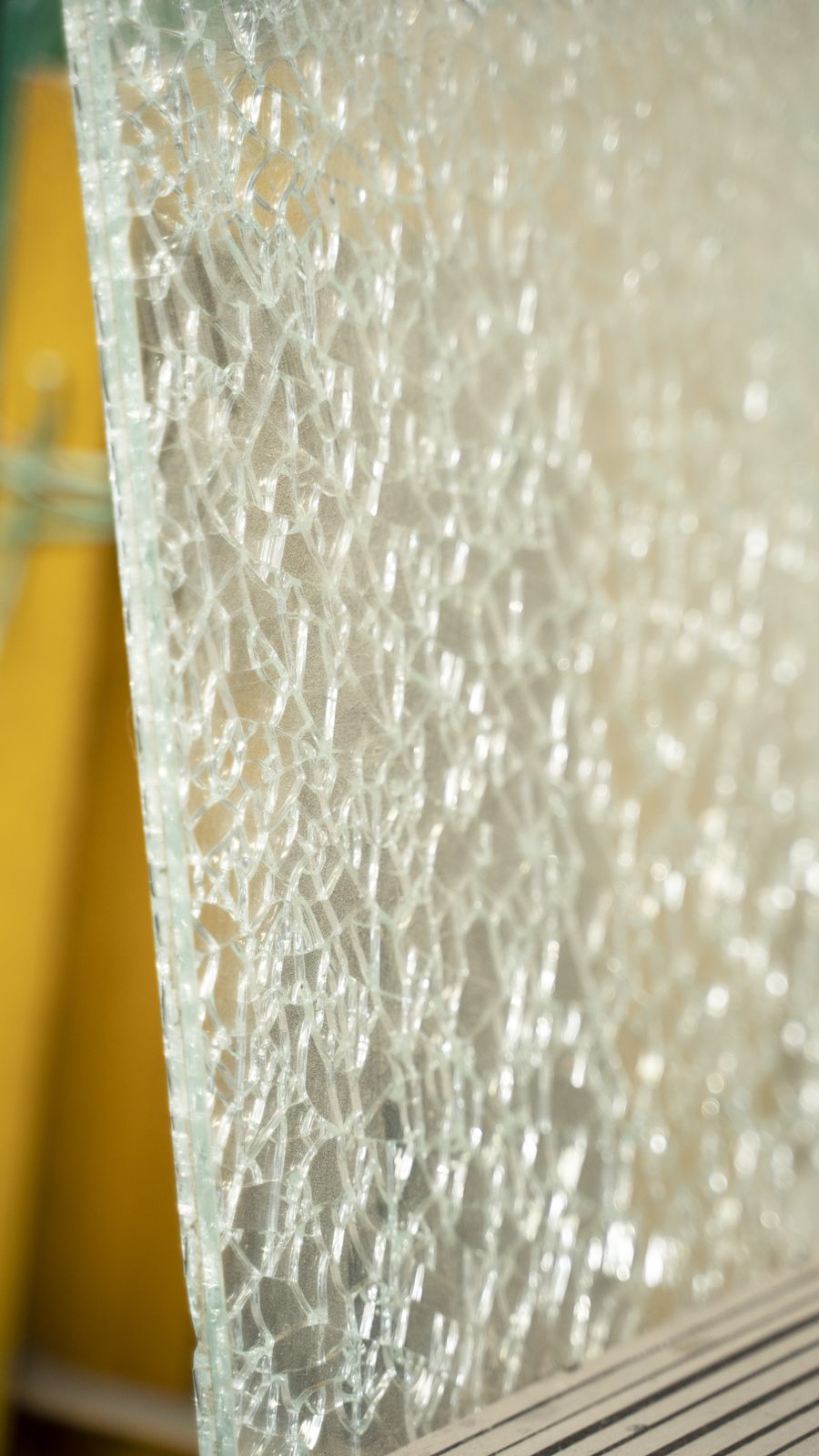
Spontaneous glass breakage is the unexpected shattering of tempered glass without any external force. The tempering process locks energy into the glass. When a defect or stress point exceeds the glass's limit, this energy releases all at once and the panel breaks apart.
The risk depends on the glass type. Toughened glass is the most prone because it holds the highest internal stress. Heat-strengthened glass (IS 16982) holds less stress, so breakage is far less likely, but still possible with a larger inclusion. Annealed glass holds the least stress and is not affected.
(Part 1): 2018
Five Causes of Toughened Glass Breakage
Nickel Sulphide (NiS) Inclusions
Primary causeNickel sulphide inclusions are microscopic particles formed during float glass manufacturing when nickel contaminants combine with sulphur from furnace fuel. They occur roughly once in every 4 tonnes of glass and are often concentrated in short production runs.
During tempering, these inclusions become trapped in an unstable phase. Over time, they expand. If large enough (around 200 microns) and located in the tensile zone, this expansion can trigger spontaneous breakage.
Not all inclusions cause failure, but thicker glass increases the probability. These failures typically show a distinctive “butterfly” fracture pattern at the origin.
Edge Damage
The edges of glass are particularly vulnerable to damage during cutting, transportation, or installation. Small chips, nicks, or microscopic cracks along the edges act as stress concentrators, significantly weakening the glass.
Over time, thermal expansion, wind loads, or mechanical stress can cause these tiny flaws to grow, eventually leading to breakage.
Thermal Stress
Glass expands when heated and contracts when cooled. If different parts of a glass panel experience uneven temperatures, such as sunlight heating one section while another remains shaded, thermal stress can develop.
When this stress exceeds the strength of the glass, it can cause cracking or sudden breakage. Large glass panels, tinted glass, and installations exposed to strong sunlight are particularly susceptible.
Inadequate Glazing Practices
Improper glazing or installation practices can introduce unwanted stress into glass panels. Direct glass-to-metal contact, incorrectly placed setting blocks, or insufficient edge clearance can prevent the glass from expanding and contracting naturally with temperature changes.
When movement is restricted, stress can concentrate at contact points, increasing the risk of breakage.
Design Overload
Glass panels must be designed to withstand structural forces such as wind loads, building movement, and seismic activity. If the glass thickness or type is not adequate for these conditions, the stresses acting on the panel may exceed its design capacity.
Excessive building deflection or frame movement can also contribute to glass failure.
Toughened Glass Breakage Patterns: How to Identify the Cause
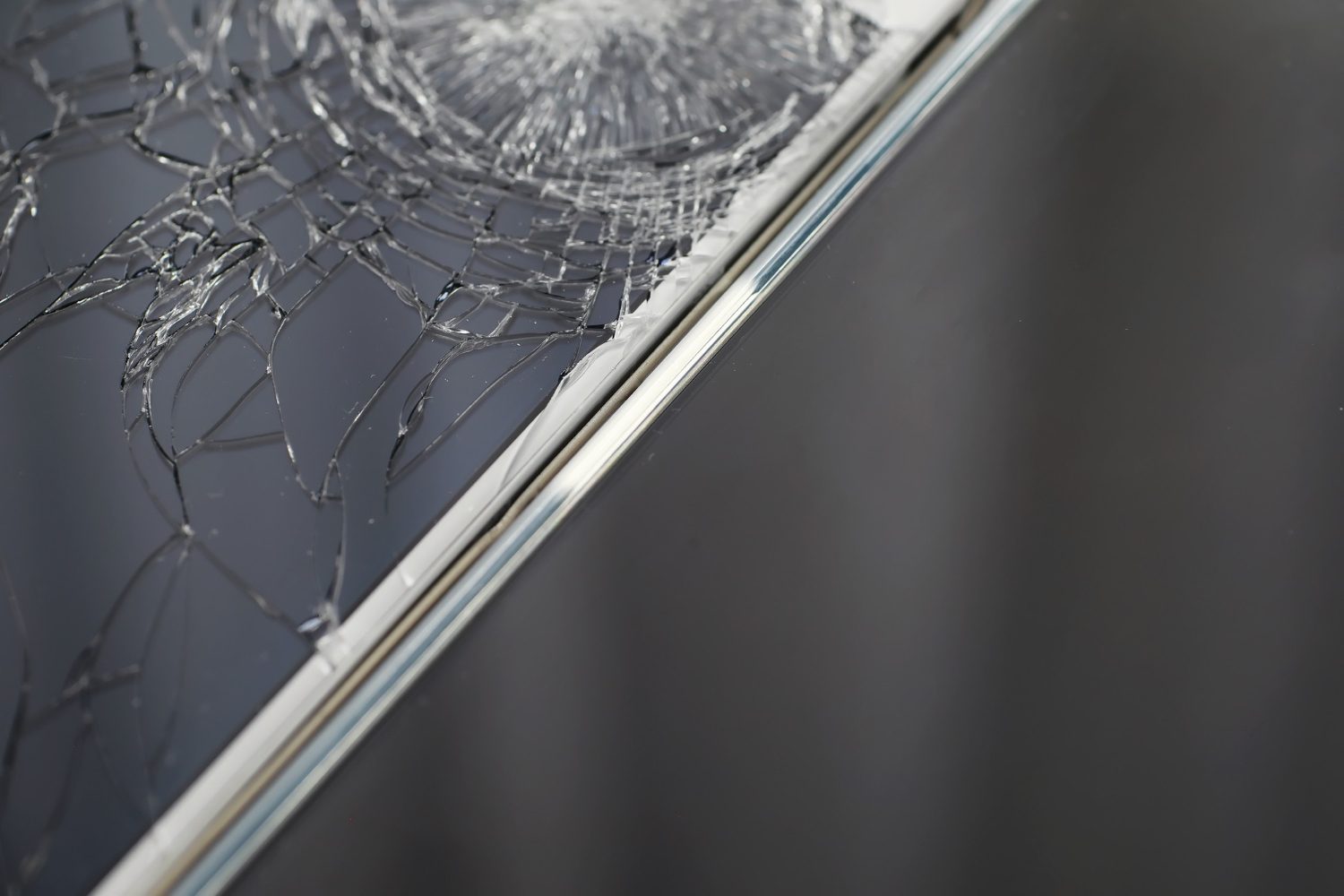
The fracture pattern at the origin reveals the likely cause.
| Fracture Pattern | Likely Cause |
|---|---|
| "Butterfly" or "figure-of-eight" at origin with small pentagonal fragments | NiS inclusion |
| Fracture lines radiating inward from a visible chip on the edge | Edge damage |
| Origin at the edge with no visible defect, breakage on a hot day | Thermal stress |
| Origin at a contact point with the frame or setting block | Glazing fault |
| Multiple origin points across the panel, often during a storm or seismic event | Design overload |
For more on tempering quality benchmarks, read our guide on the glass tempering process.
Heat Soak Test: The Primary Prevention Method
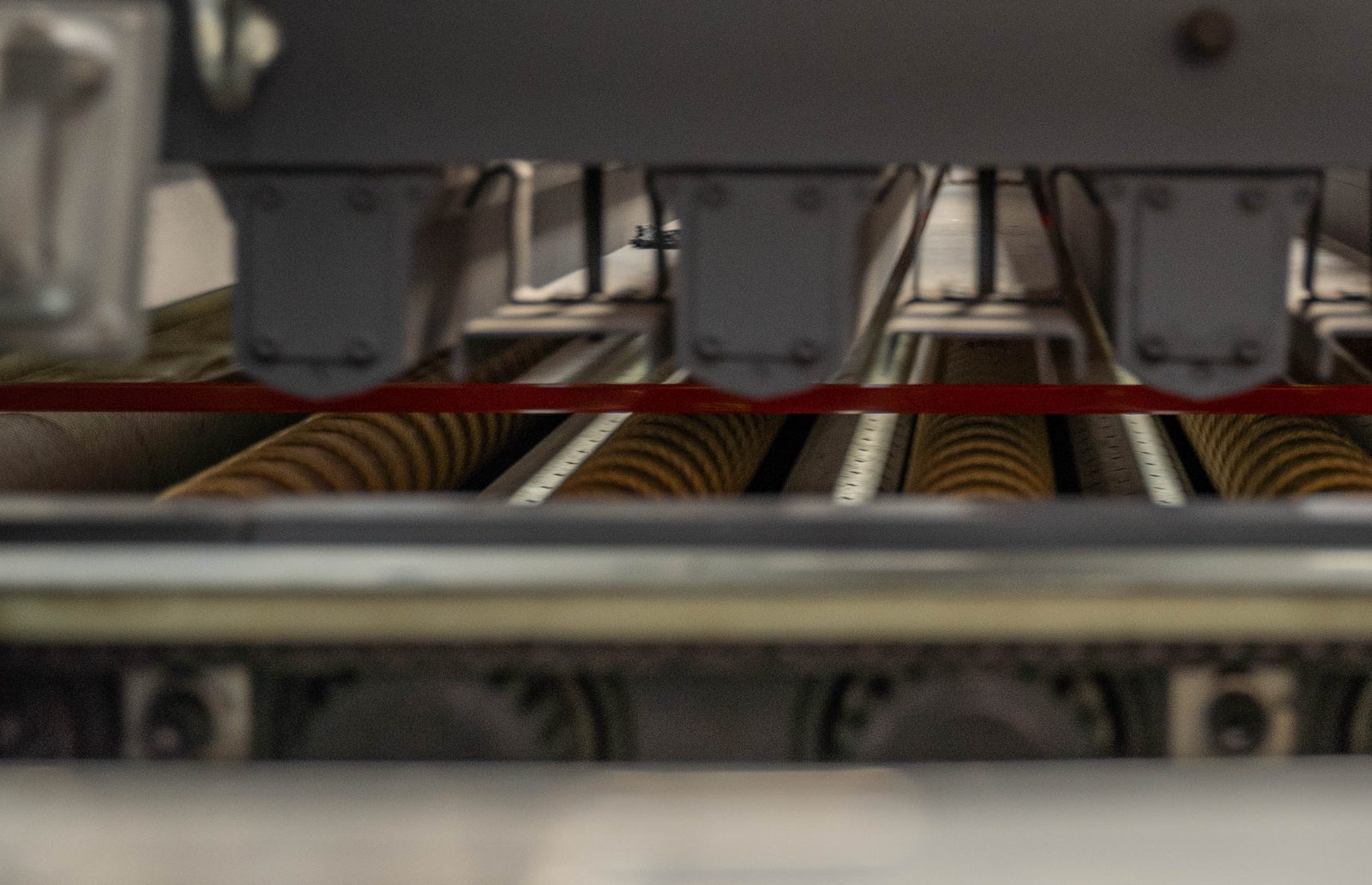
HST (Heat Soak Test) accelerates the NiS phase transformation in a factory oven, causing susceptible panels to break under controlled conditions rather than on the building.
Process (as per EN 14179-1:2016):
- Toughened glass panels are loaded into a heat-soak oven
- Temperature is raised to 260°C (revised from 290°C in the 2005 edition, as some NiS compositions underwent reverse transformation at the higher temperature)
- Panels are held for a minimum of 2 hours after all surfaces reach the target
- The oven is cooled slowly to prevent thermal shock
- Surviving panels are certified; those with critical NiS shatter and are discarded
Effectiveness: Heat soak testing is estimated to eliminate around 90–98% of susceptible panels, significantly reducing the likelihood of spontaneous breakage in service.
Toughened Glass vs Laminated Safety Glass: Which Is Safer?

The choice of safety glass type directly affects breakage risk and post-breakage behaviour.
| Property | Toughened Glass | Laminated Safety Glass |
|---|---|---|
| Strength | 4 to 5 times stronger than annealed | Comparable to annealed glass |
| Breakage pattern | Shatters into small fragments | Cracks but fragments adhere to the PVB interlayer |
| Post-breakage barrier | None: panel disintegrates completely | Glass remains in frame, maintains barrier |
| Falling glass risk | High: fragments fall as a shower | Low: glass stays bonded to the interlayer |
| Spontaneous breakage risk | Yes: susceptible to NiS | No: NiS cannot cause failure in non-tempered laminated glass |
| Sound insulation | Standard | Superior: PVB interlayer dampens sound |
| UV protection | Standard | PVB blocks approximately 99% of UV |
| Cost | Lower | Higher |
Indian Standards and NBC Requirements for Safety Glass
Architects and builders must comply with these standards when specifying glass:
- IS 2553 (Part 1): 2018 covers toughened and laminated safety glass for buildings. BIS/ISI certification has been mandatory since 2020 under the Safety Glass Quality Control Order.
- IS 16231 (Parts 1 to 4): 2019 is the Code of Practice for glass in buildings. Part 4 classifies four human impact cases by sill height and fall risk, each requiring safety glass per IS 2553.
- IS 16982 specifies heat-strengthened glass, which carries significantly lower spontaneous breakage risk than fully toughened glass.
- NBC 2016 (Part 6, Section 8) requires safety glass in human impact zones and mandates laminated glass for overhead glazing.
For GRIHA or IGBC projects, glazing systems typically need to comply with ECBC 2017 building envelope performance requirements, which place limits on parameters such as Solar Heat Gain Coefficient (SHGC) and U-factor. High-performance double glazed glass units (DGUs) are commonly used to meet these requirements while improving thermal insulation, energy efficiency, and acoustic comfort.
Prevention Checklist for Architects and Builders
- Specify heat soak tested (HST) toughened glass for all facade and elevated applications
- Use laminated toughened glass for balustrades, overhead glazing, and fall-risk areas
- Consider heat-strengthened glass (IS 16982) as an alternative for facades
- Ensure proper edge working (seaming and grinding) before tempering
- Use nylon or EPDM setting blocks; maintain a minimum 6 mm edge clearance
- Conduct thermal stress analysis for partially shaded facades
- Verify BIS/ISI certification (IS 2553 Part 1) and request HST certificates
- Inspect facades every 6 to 12 months (plus post-monsoon in coastal areas) for edge chips and sealant degradation
For full glass selection guidance, read how to choose the right glass for your building project.
Why Choose Karnataka Metal Company for Safety Glass?
As one of South India’s established integrated glass and aluminium companies, Karnataka Metal Company delivers safety-critical glass engineered for reliability, precision, and consistent facade performance.
Our glass processing plant is equipped with best-in-class machinery, ranging from Italian CNC cutting machines to robotic DGU processing systems. We process all types of reflective glass, including double silver Low-E for façade applications, and deliver one of the flattest glass in the industry with tight control over roller wave, edge lift, and overall bow.
- ISO 9001:2015 & ISO 14001:2015 and BIS/ISI certified facility
- Heat soak furnace capability to reduce NiS-related breakage risk
- In-house laboratory with GASP and precision measurement systems
- In-house impact testing (human impact and ball drop) as per BIS requirements
- Multiple edge polishing and grinding systems to reduce edge stress
- Capability across toughened, heat-strengthened, and double-glazed units, with laminated glass offered through quality-tested service providers
When glass safety and long-term performance are critical, the way glass is processed and tested directly impacts reliability on site.
Get in Touch
Contact us for safety glass selection, and competitive pricing.
- Phone: +91 80 2670 9928
- Email: sales@karnatakametal.com
- Visit us: 16 & 17, A.M Road, Kalasipalya Extension, Bangalore 560002
Get in touch for a consultation and quote.