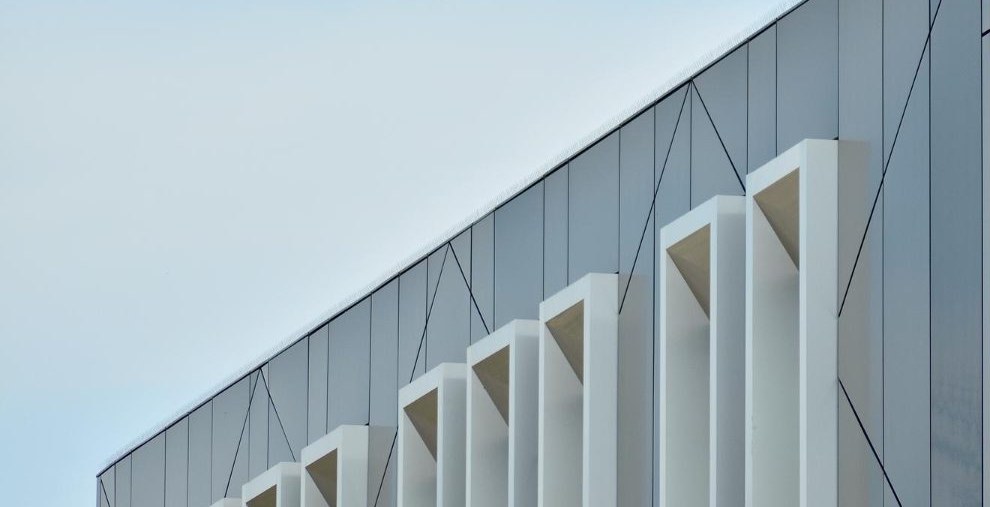
From commercial facades to retail signage, ACP sheets (Aluminium Composite Panels) have become the preferred cladding material in modern Indian architecture. Their combination of low weight, high rigidity, weather resistance, and design flexibility makes them a practical choice for projects of every scale.
However, selecting the right ACP involves more than picking a colour. Core type, fire rating, coating system, skin thickness, and compliance with NBC and BIS norms all affect long-term performance. This guide covers what architects and builders need to specify ACP with confidence.
What Are ACP Sheets?
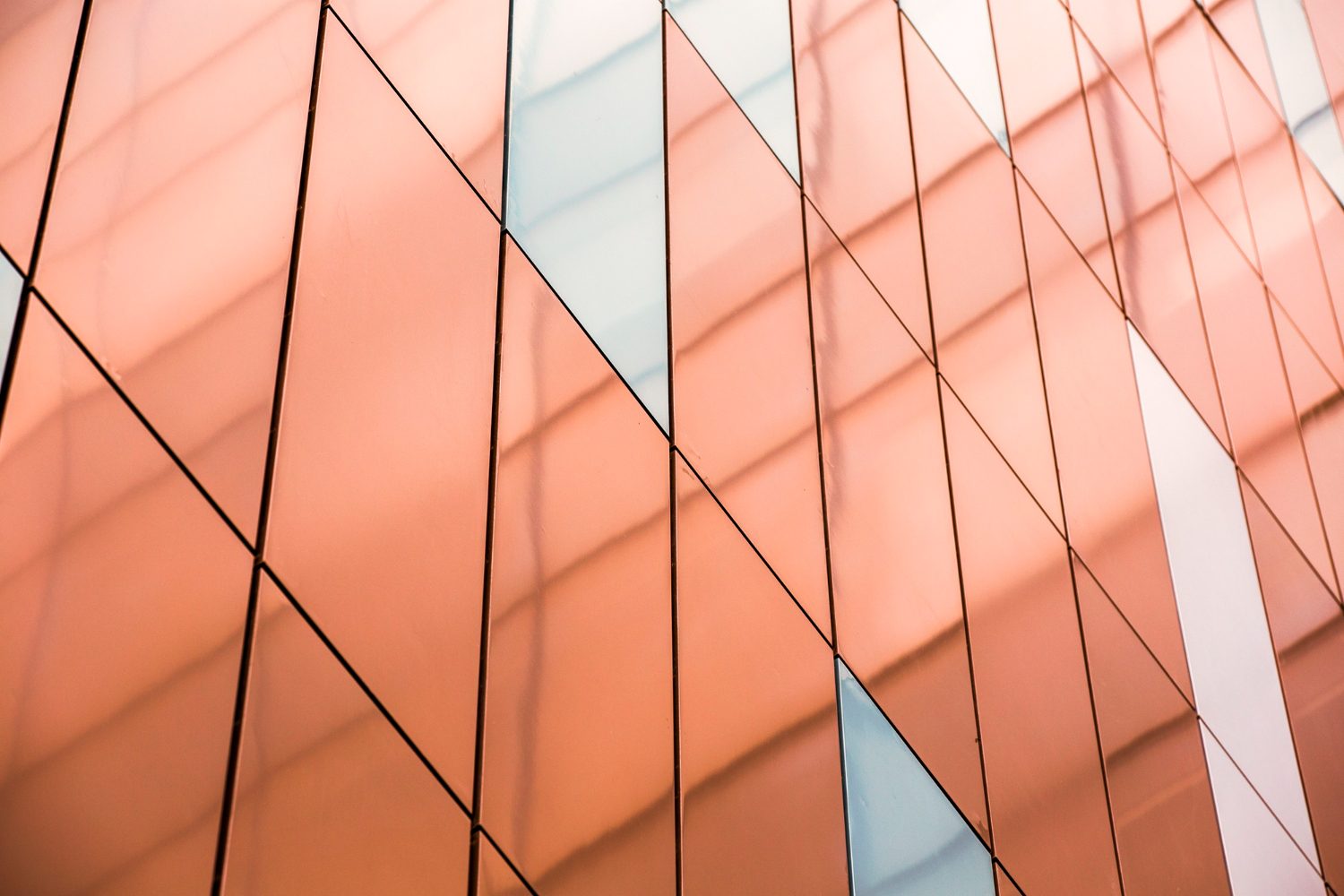
An ACP (Aluminium Composite Panel) sheet consists of two aluminium skins (0.25 or 0.50mm thick each) bonded to a core material. This sandwich construction delivers a panel that weighs just 3.5 to 8.0 kg/sqm while remaining rigid enough for large-format facade cladding, with a thermal conductivity of approximately 0.19 W/mK and sound insulation of around 25 dB.
Types of ACP Sheets by Core Material
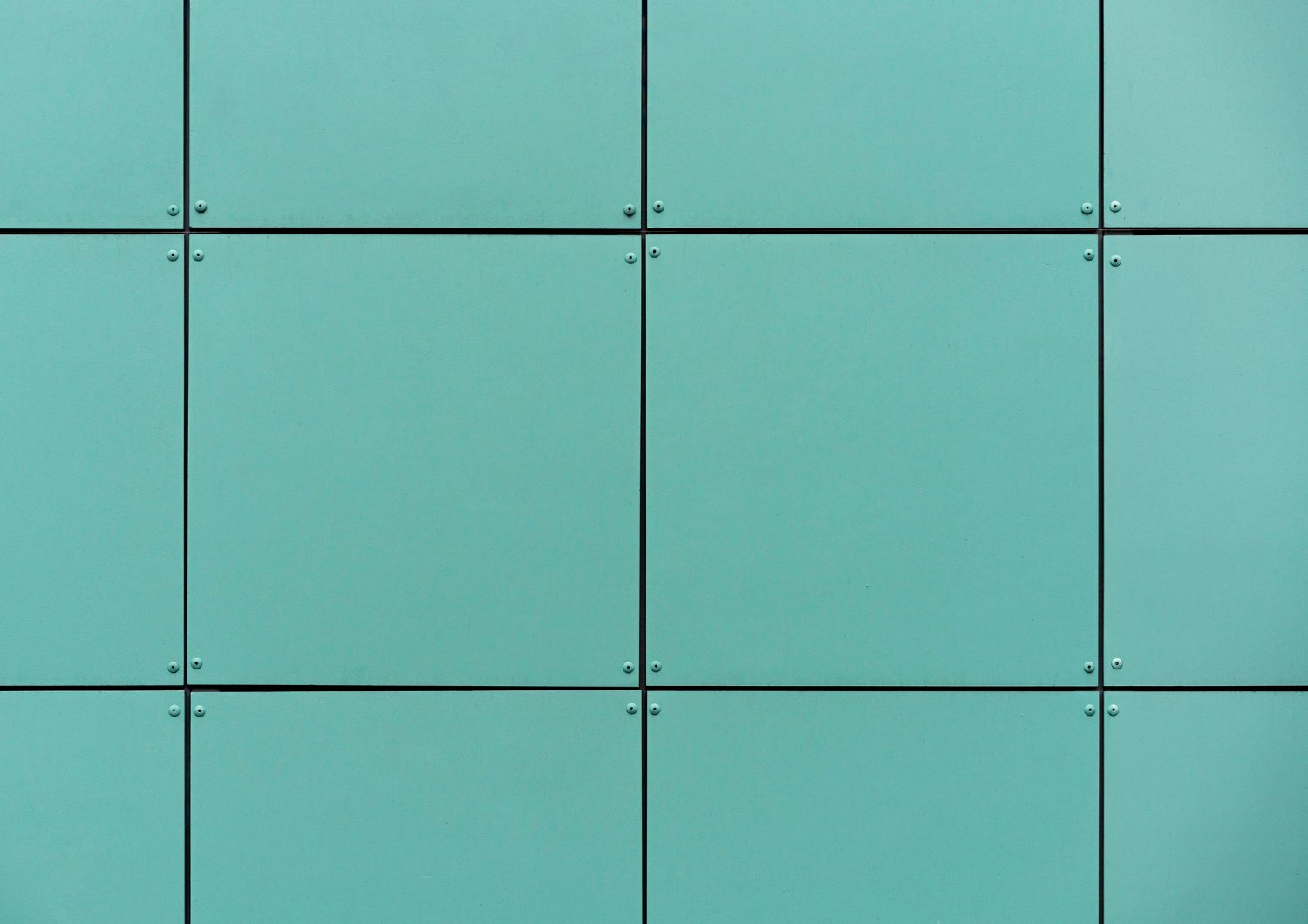
The core material determines fire performance and dictates where the panel can be legally used.
- Fire classification: B2 (flammable)
- Best for: Signage, interior wall panelling, low-rise structures
- Cost: Most affordable
PE core panels must not be specified for exterior facades of mid-rise or high-rise buildings.
- Mineral content: 70 to 90%
- Fire classification: B1 (limited combustibility)
- Best for: Commercial buildings, mid-rise facades, retail exteriors
- Cost: Mid-range
Most commercial exterior cladding projects in India now specify FR grade as a minimum.
- Mineral content: 90%+ inorganic mineral
- Fire classification: A2-s1,d0 (non-combustible, minimal smoke, no flaming droplets)
- Best for: High-rise buildings (above 15 metres), hospitals, airports, government buildings
- Cost: Premium
The mineral core uses magnesium hydroxide (MDH), which decomposes at approximately 360°C, releasing water molecules that delay ignition and suppress smoke.
Standard ACP Sheet Sizes
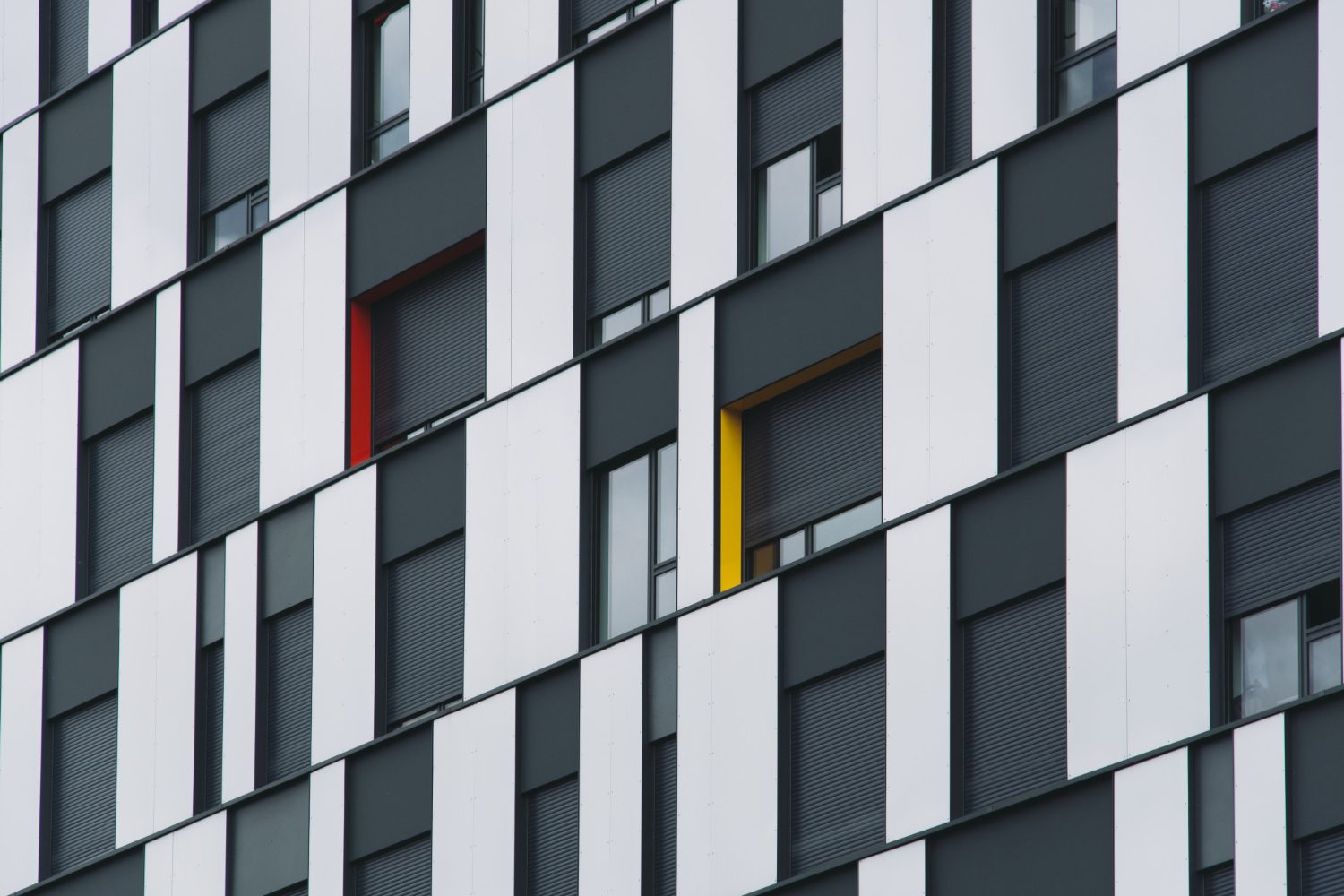
| Size (mm) | Size (ft approx.) | Common Usage |
|---|---|---|
| 1220 x 2440 | 4 x 8 ft | Most common standard size |
| 1220 x 3050 | 4 x 10 ft | Medium-length facades |
| 1220 x 3660 | 4 x 12 ft | Large facade panels, high-rise cladding |
Custom sizes are available from most manufacturers for project-specific requirements.
ACP Sheet Thickness Options
| Total Thickness | Aluminium Skin | Weight (approx.) | Typical Specification |
|---|---|---|---|
| 3mm | 0.21 to 0.25mm per side | 3.5 to 3.8 kg/sqm | Signage, interior walls, furniture |
| 4mm | 0.25mm or 0.50mm per side | 5.5 to 5.6 kg/sqm | Standard exterior and interior cladding |
For exterior applications, always specify 0.50mm skin thickness for better wind load resistance, impact strength, and panel flatness.
ACP Sheet Coatings: PE vs PVDF
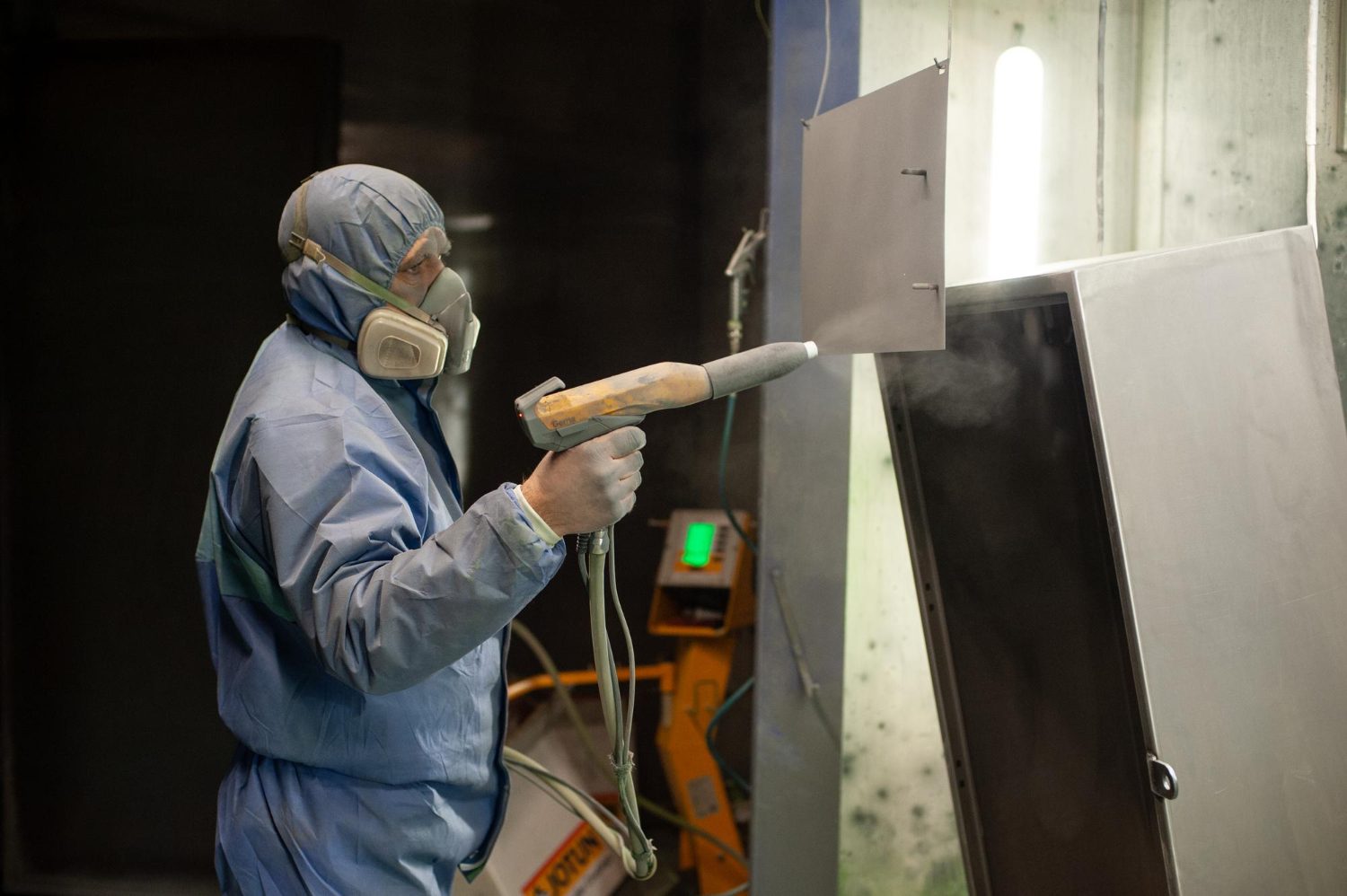
- Film thickness: ~16 microns
- Outdoor colour retention: 5 to 10 years
- Specify for: Interior applications, signage, temporary installations
Not recommended for external use. Most manufacturers do not offer a warranty on PE coatings.
- Film thickness: 25 to 35 microns (2-coat or 3-coat system)
- Outdoor colour retention: 25 to 30+ years
- Certification: Must contain a minimum 70% PVDF resin (Kynar 500 certified)
- Specify for: All exterior applications
Most manufacturers offer a 10 to 15-year warranty on PVDF coatings.
PVDF is the only appropriate coating for exterior facades. It offers superior colour retention, chalking resistance, and weatherability in India's harsh sun and monsoon conditions. PE-coated panels degrade significantly faster outdoors and should never be specified for exterior use. Leading manufacturers offer 300 to 500+ ACP sheet colour options across both coating types, including solid, metallic, wood, stone, and mirror finishes.
ACP Cladding: Applications and When to Specify
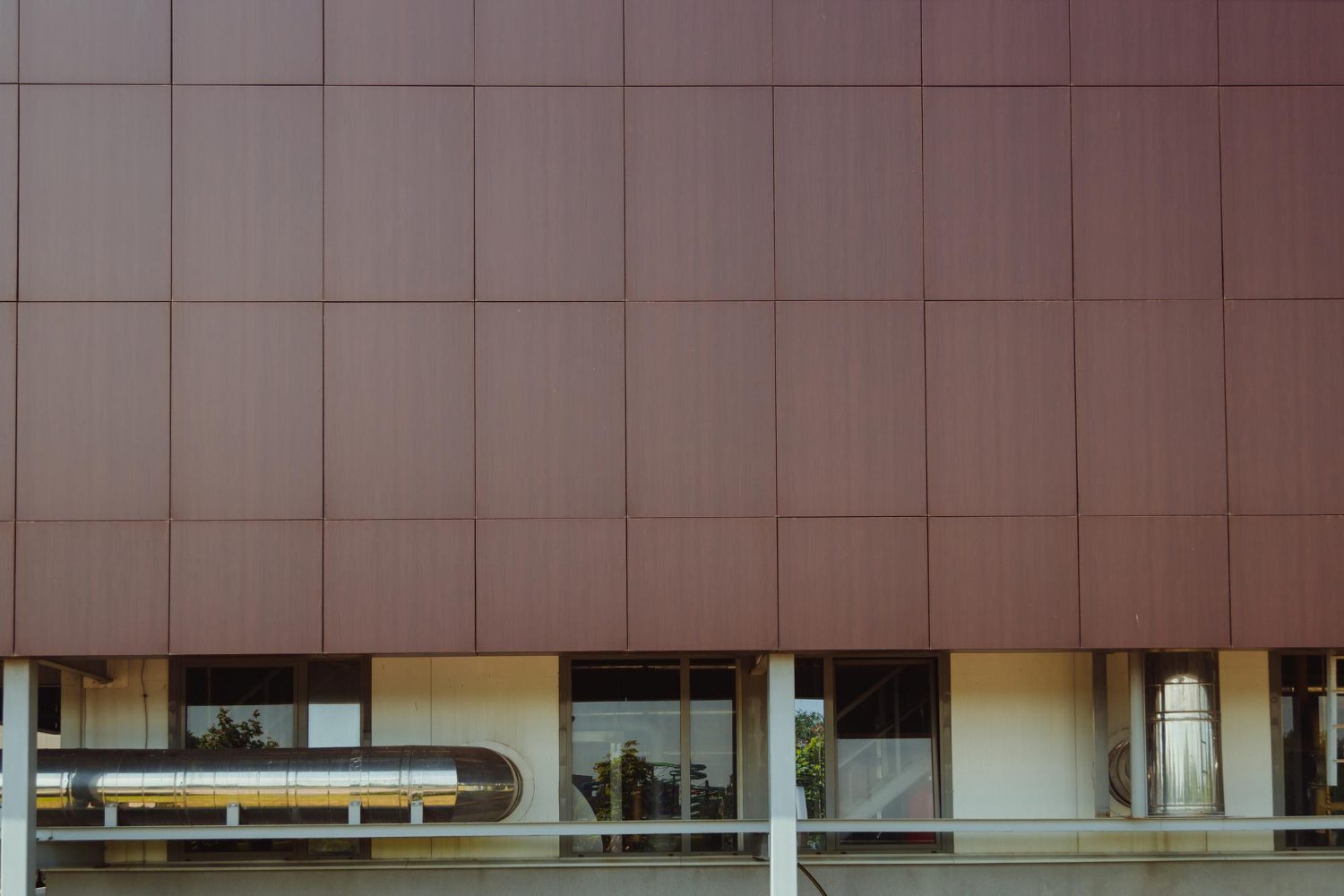
ACP cladding works best when the project needs lightweight material (3.5 to 8.0 kg/sqm vs 40+ kg/sqm for stone), large flat surfaces with consistent flatness, rapid installation, or varied finishes. ACP sheets are significantly more cost-effective than stone, terracotta, or glass curtain wall systems for comparable facade coverage.
Common applications: Commercial and residential facade cladding, column covers, canopy soffits, entrance features, petrol station canopies, false ceilings, wall panelling, elevator interiors, and shop board signage. ACP sheets for exterior use must be FR or A2 grade with PVDF coating.
For projects combining ACP cladding with glazing, working with an integrated supplier simplifies coordination. Learn how to choose the right glass for your building project alongside your ACP specification.
ACP Sheet Installation Methods
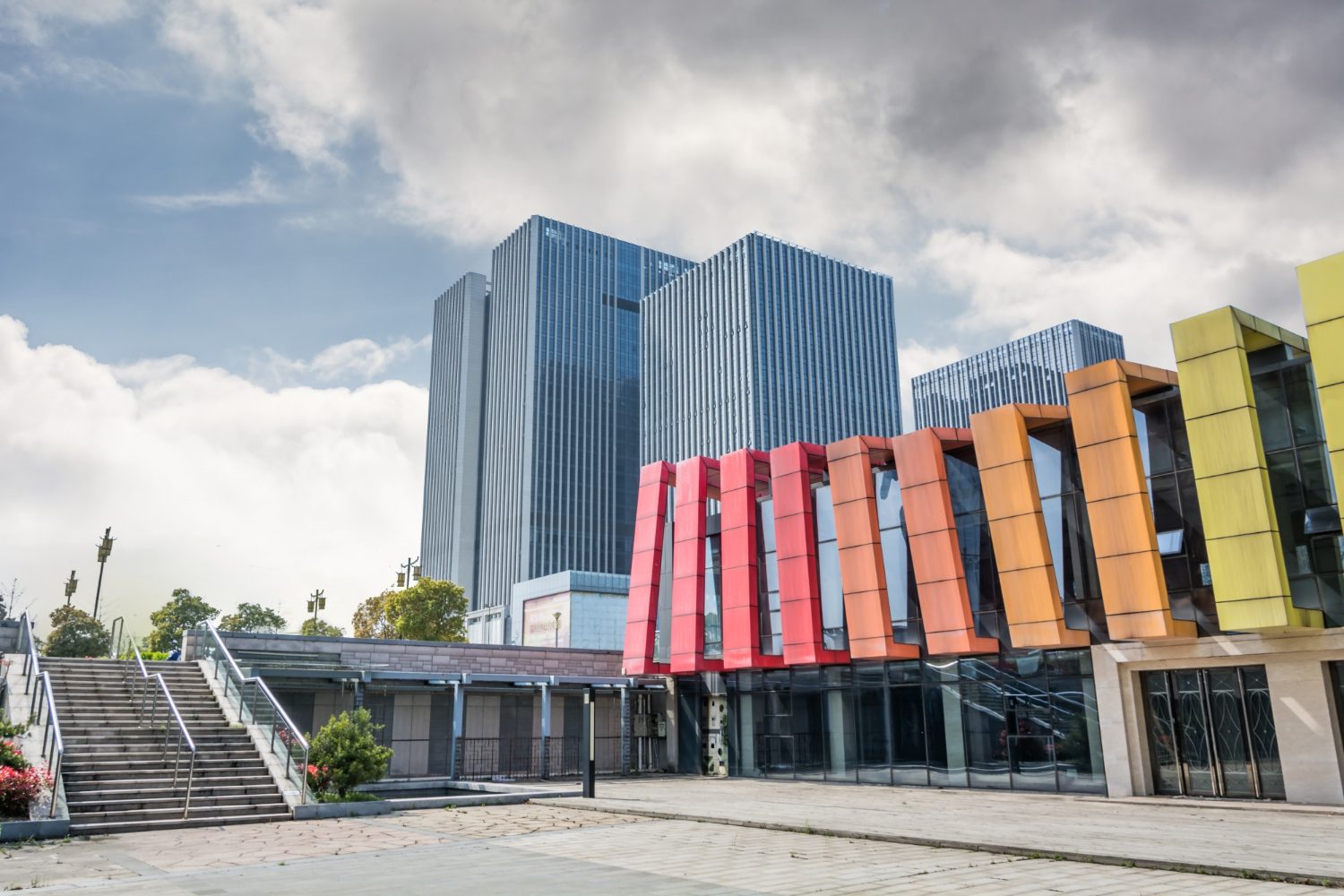
There are two primary fixing methods used in India.
Rout and Return (Cassette Method)
The preferred method for exterior facades. A V-shaped groove is routed on the back of the panel, and the edges are folded inward at 90 degrees to form a tray. Aluminium clip angles attached to the folded edges hook onto the substructure, concealing all fixings.
Advantages: No visible screws, clean edges, superior aesthetics, and proper thermal expansion accommodation. Specify this for all exterior and high-visibility projects.
This is also the preferred installation method for availing manufacturer warranty claims.
Direct Fix (Rivet/Screw Fixing)
Panels are cut to size and fastened directly to the substructure using aluminium rivets or self-tapping screws through the panel face. Holes must be slightly oversized for thermal expansion.
Advantages: Simpler, faster, lower cost. Suitable for interiors, low-rise projects, and signage.
Substructure Requirements
- GI or MS brackets fixed to the masonry wall using expansion bolts
- Aluminium mullions (vertical) and transoms (horizontal) mounted on brackets
- Joint gaps of 10 to 15mm between panels for thermal movement
- Neutral-cure silicone sealant with backer rod for weather sealing
For details on how aluminium sections for such frameworks are manufactured, read our guide on the aluminium extrusion process.
Best ACP Sheet Brands in India
| Brand | Headquarters | Key Strength |
|---|---|---|
| Aludecor | Kolkata (Plant: Haridwar) | India's largest manufacturer; 400+ shades; first FR A2 in India |
| Alucobond | Germany (India: Maharashtra) | Global pioneer; European quality benchmark |
| ReynoArch | Rajasthan | India's first ISI-certified ACP manufacturer (as of 2024) |
| Viva ACP | Gujarat | Largest Indian ACP exporter; 500+ shades |
| Alstone | Pan-India | Strong fire-retardant product range |
Always prioritise BIS/ISI certification and request fire test certificates for the specific grade and batch you are purchasing.
ACP Sheet Specifications: BIS Standards and Fire Safety
IS 17682:2021 (Aluminium Composite Panel Specification) covers the dimensional, mechanical, coating, and fire-safety requirements for ACP sheets. Under the Quality Control Order, first notified in 2023 and updated in 2025, all ACP panels sold in India must carry the BIS Standard Mark (ISI mark), with phased enforcement beginning in October 2025.
- Buildings above 15 metres must use FR (B1) or A2 grade ACP sheets
- PE core ACP on existing high-rises must be replaced with FR grade
- Hospitals, airports, and government buildings should use A2 non-combustible grade
Maintenance and Lifecycle
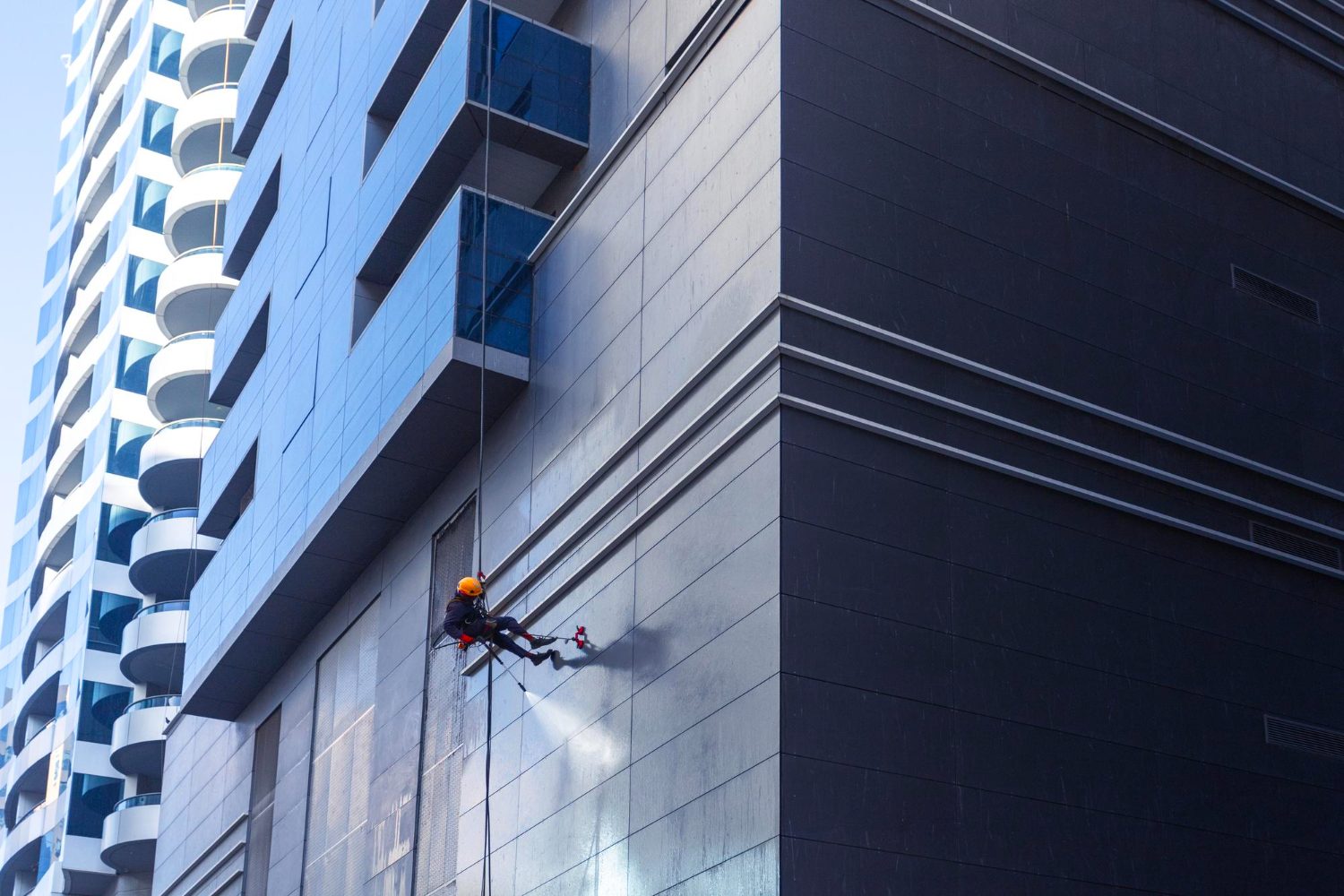
ACP facades require minimal but regular maintenance to achieve their full 25 to 30-year lifespan:
- Cleaning frequency: Every 6 to 12 months with mild detergent and a soft cloth. Avoid abrasive cleaners or solvents.
- Sealant inspection: Check silicone joints annually for cracking or separation, especially after the monsoon. Reseal as needed.
- Panel inspection: Look for dents, scratches, delamination, or discolouration during cleaning cycles.
Aluminium is 100% recyclable, and specifying ACP with recyclable skins can contribute to green building credits under GRIHA and IGBC rating systems.
Why Choose Aludecor ACP Sheets?
Aludecor is widely preferred by architects and builders for its consistent quality, design flexibility, fire safety, and proven performance across large-scale projects.
- Ethical, quality-first manufacturing backed by a 205-point testing framework, ensuring reliable long-term façade performance
- 100% in-house manufacturing in India, with no imported coil sandwiching, ensuring full quality control and consistency
- Widest range of colours and finishes in India, enabling design flexibility across façade and interior applications
- Continuous innovation through dedicated R&D (“baby”) manufacturing line, delivering unique offerings like zinc, copper, and anti-bacterial panels
- Larger panel sizes up to 5 ft, allowing cleaner facades with fewer joints
- Widely approved across major projects, with 23+ years of experience and presence in 200,000+ projects across 250+ cities
- Fire-safe and globally certified, with FR A2/B1 panels, in-house testing, and certifications like ETA, ASTM, NFPA, BIS
- High durability with PVDF coatings, offering strong resistance to corrosion, fading, and harsh weather conditions
Why Choose Karnataka Metal Company for Aludecor ACP Sheets?
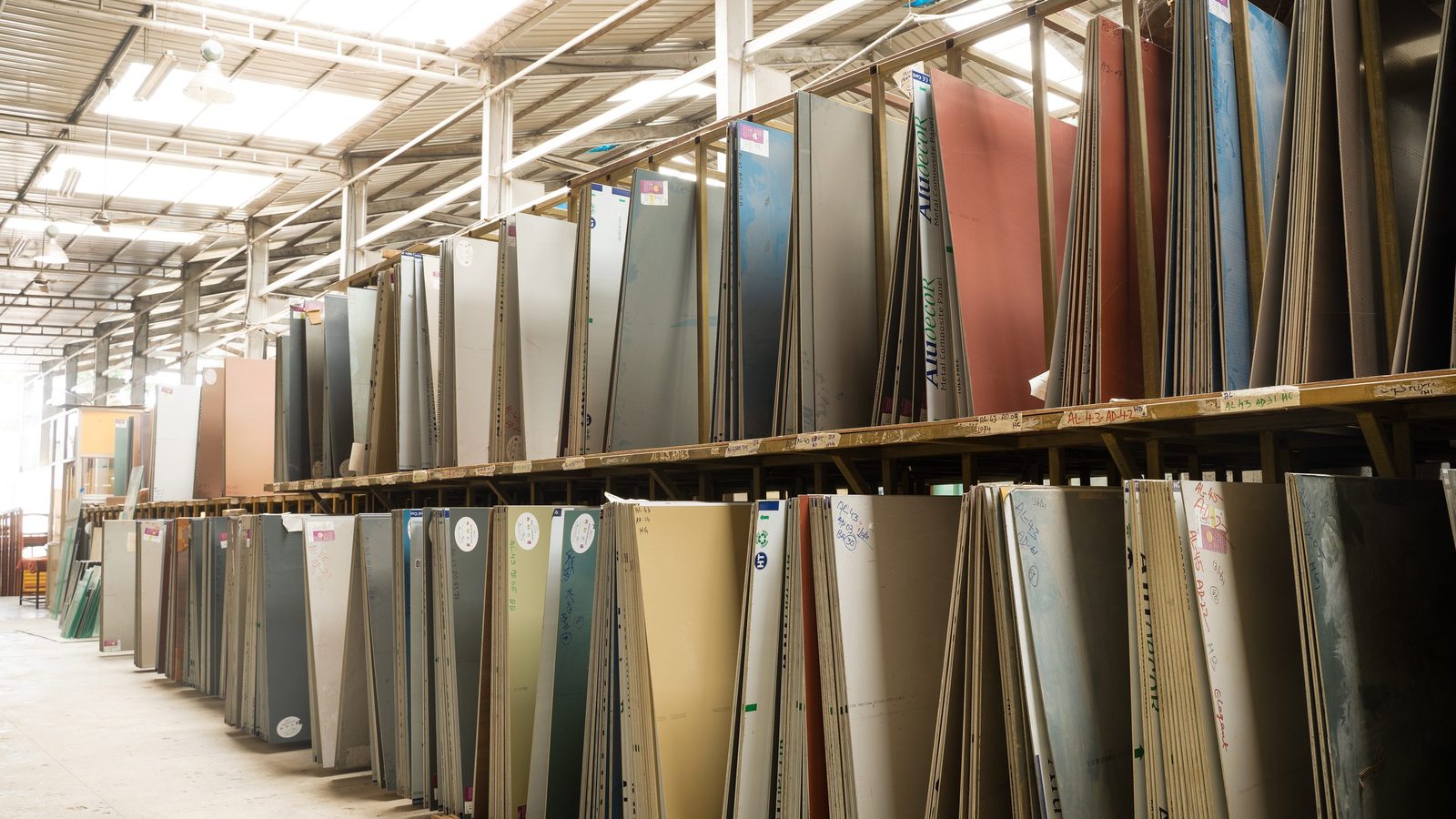
Karnataka Metal Company is a prime distributor for Aludecor in Karnataka, offering the complete range of ACP sheets and panels, including Non-Fire Resistant, Fire Resistant, Fire Proof, and Anti-bacterial categories in 300+ colours and textures.
With a long-standing relationship with Aludecor since 2008 and over five decades in the aluminium industry, we are well-equipped to facilitate both project and retail requirements between Aludecor and customers.
As one of the leading integrated glass and aluminium solutions providers in South India, we supply aluminium composite panels for the facade, toughened glass for the glazing, and aluminium profiles for the framing, all under one roof from Bangalore. This simplifies procurement and ensures material compatibility across your project.
Backed by Aludecor's engineering, the panels we supply are built to perform consistently over 15 to 25 years or more, with coatings that retain colour and remain dimensionally stable despite heat, humidity, wind, and pollution. Aludecor has consistently led the industry with first-in-India innovations like Sand Finish ACPs, Printable ACP Sheets, Zinc Composite Panels, and series like Granicia, Rugged Metal, and Mason Mark that redefine modern facade aesthetics, all of which are available through us.
With KMC and Aludecor, you get a combination of safety leadership, industry-first innovations, certified quality, and a proven track record across large-scale projects, making this a preferred partnership when lifecycle performance matters more than just upfront cost.
Get in Touch
Karnataka Metal Company can help with ACP sheet selection, technical guidance, bulk orders, and competitive pricing.
- Phone: +91 80 2670 9928
- Email: sales@karnatakametal.com
- Visit us: 16 & 17, A.M Road, Kalasipalya Extension, Bangalore 560002
Get in touch for a consultation and quote.