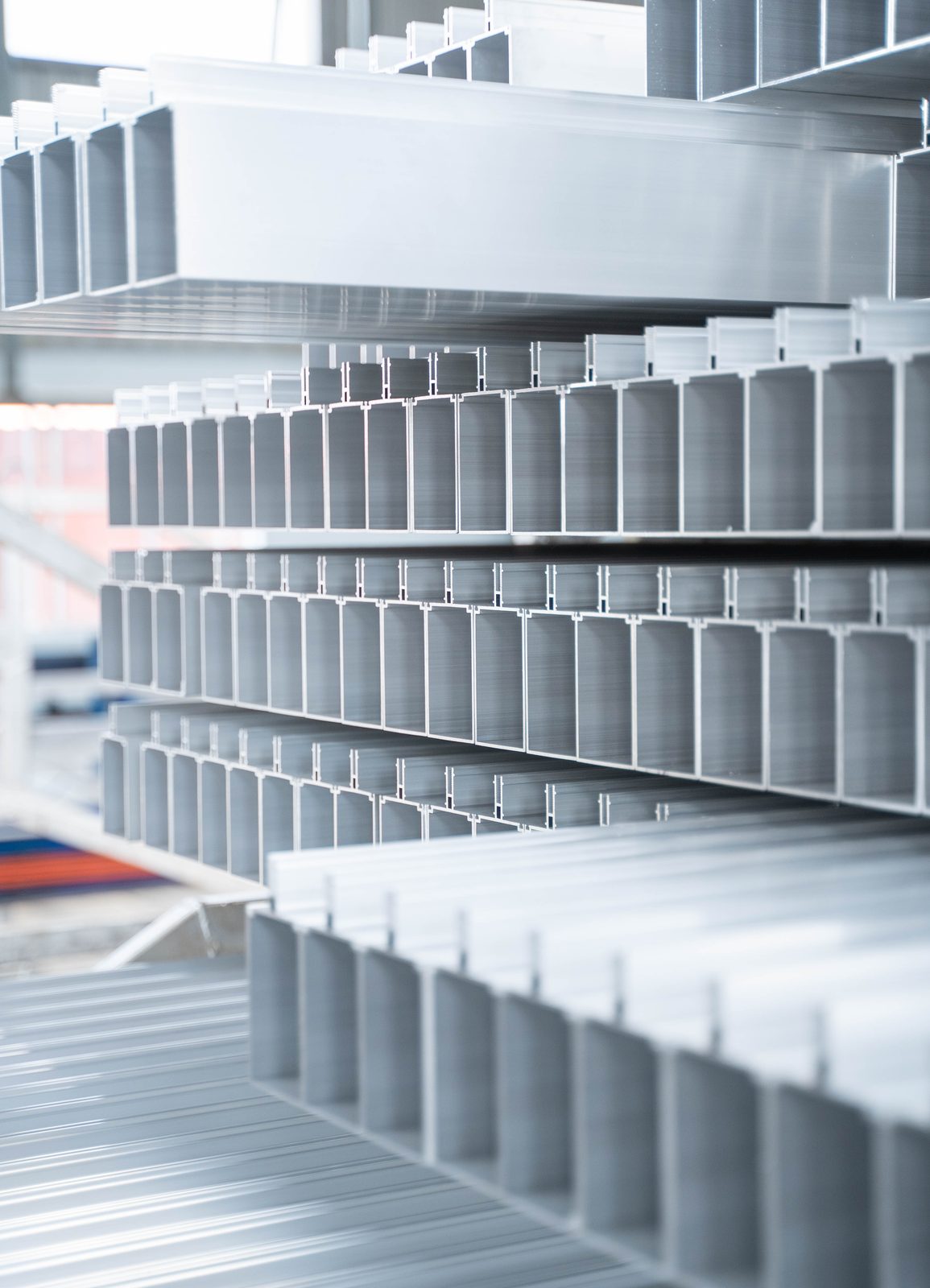
Almost every aluminium profile on a building facade, a bus body, a solar mounting frame, or a heat sink is made by extrusion. The process takes a heated aluminium billet and pushes it through a shaped steel die to produce a long profile in the required shape. Simple in principle, but the details behind each stage decide whether the profile that lands on site is straight, within tolerance, and in the right temper. For engineers and procurement teams specifying custom extrusion, understanding those details is what separates a supplier who hits the spec from one who doesn't.
This guide walks through the aluminium extrusion process step by step and explains what to check before placing an order.
Several advantages make extrusion the preferred forming route for aluminium:
- Tooling costs are low compared to other metal processing methods
- Complex shapes can be extruded in a single pass
- Multiple alloys are possible
- Multiple cut lengths are possible
This makes extrusion cost-effective across both high-volume standard profiles and low-volume custom runs.
What Is Aluminium Extrusion?
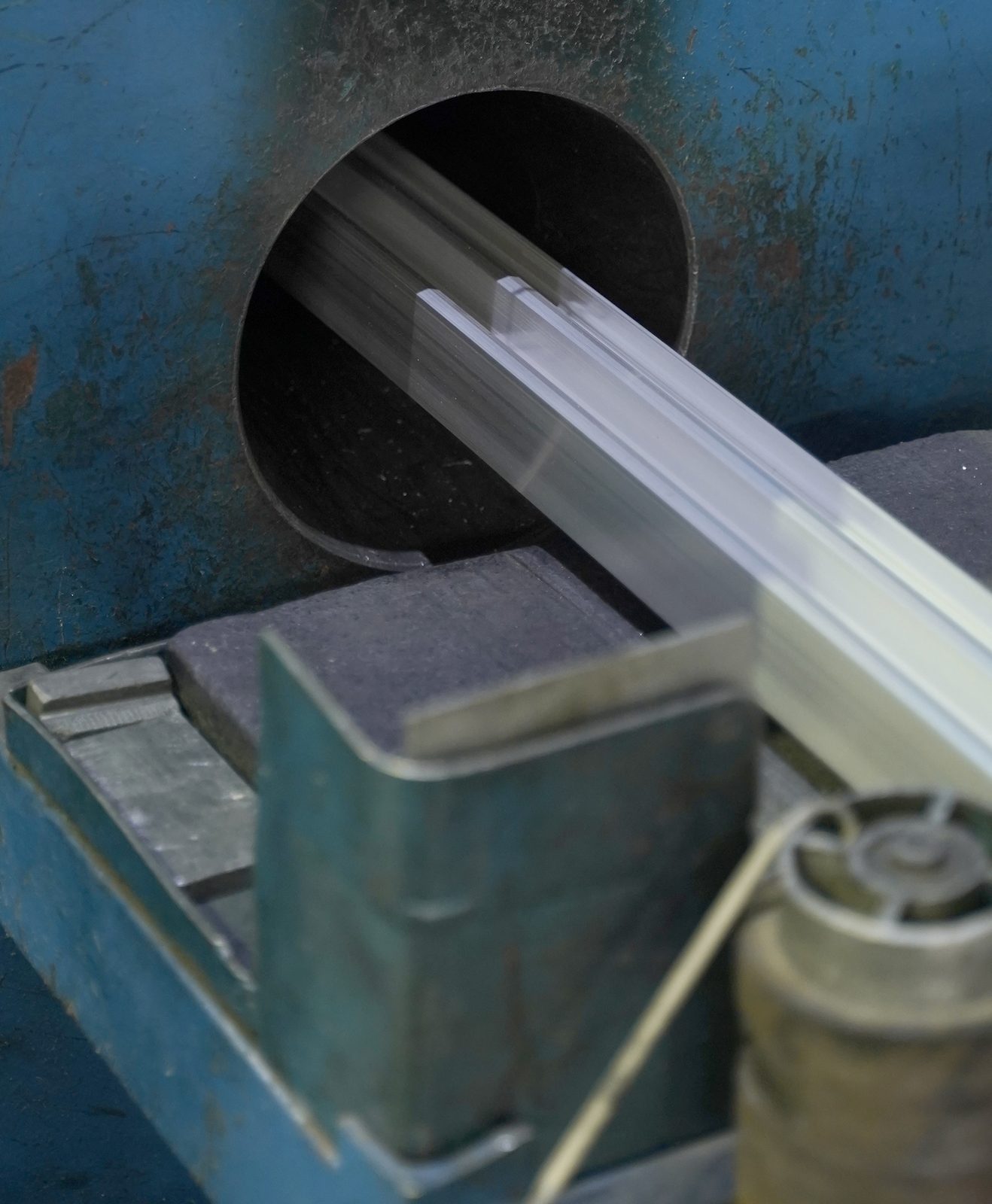
Aluminium extrusion forces a preheated billet through a hardened steel die under hydraulic pressure to produce a long profile of constant cross-section. Depending on the die geometry, the output can be a solid bar, a hollow section, a thin-walled architectural profile, or a multi-chamber shape with internal webs and integral screw ports.
Extrusion is the preferred forming route for aluminium because complex cross-sections can be produced in a single pass, tolerances are repeatable, and downstream processes (heat treatment, anodising, powder coating, machining, and fabrication) integrate without secondary forming. Tooling costs are also very low compared to other metal processing methods, making it cost-effective across both high-volume standard profiles and low-volume custom runs.
The Aluminium Extrusion Process Step by Step
The full process runs through eleven controlled stages, each contributing to dimensional accuracy, mechanical performance, and surface quality in the final profile.
Die design and manufacturing
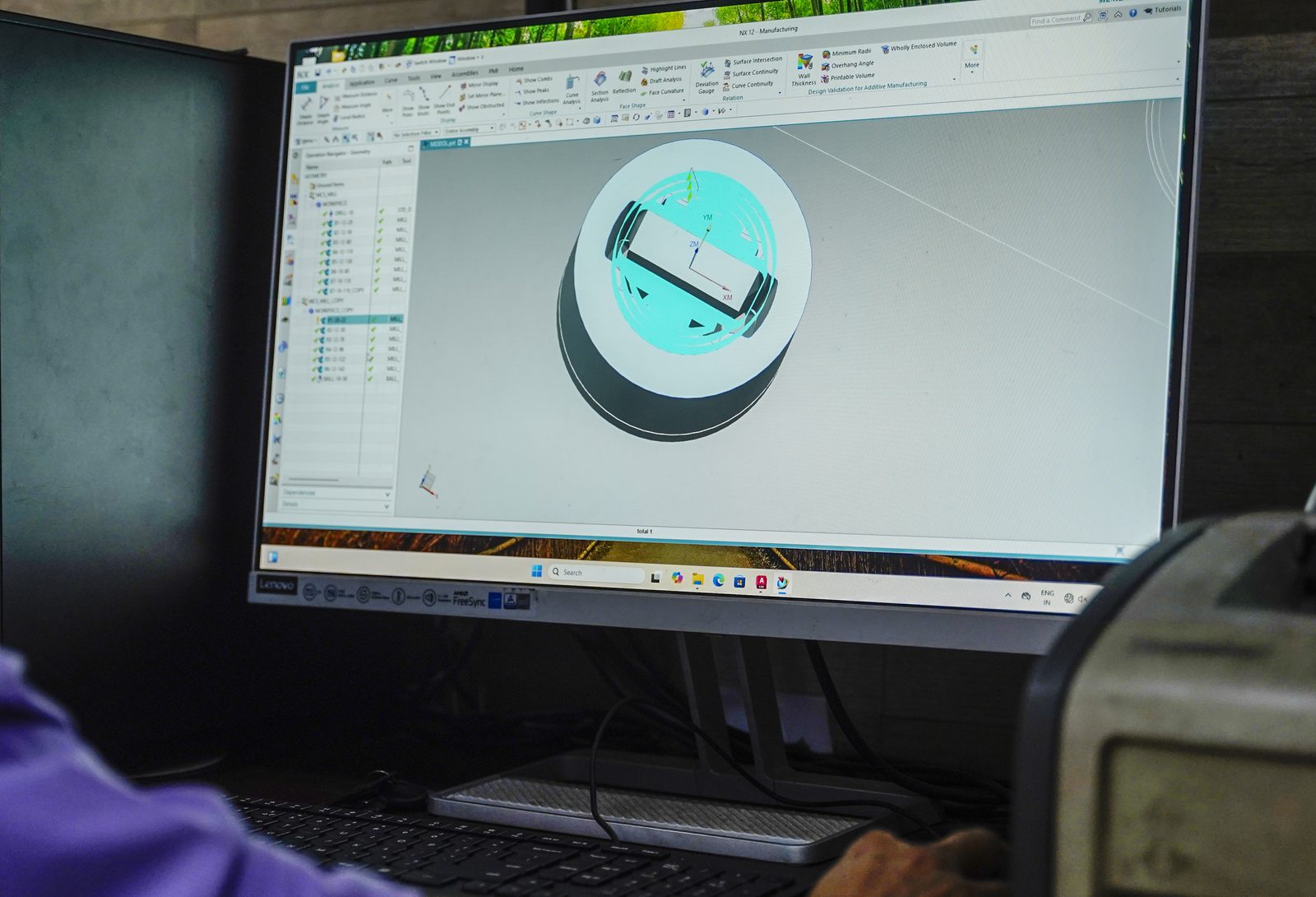
On custom extrusion projects, the profile drawing is converted into a hardened H13 tool steel die. Die design accounts for metal flow, bearing length, pocket balance, shrinkage allowance, tolerances, and die wear across the expected production run. Hollow sections require a mandrel supported by bridges (porthole die), which adds complexity over solid-section dies and directly influences weld integrity and dimensional stability in the finished profile.
Billet preparation
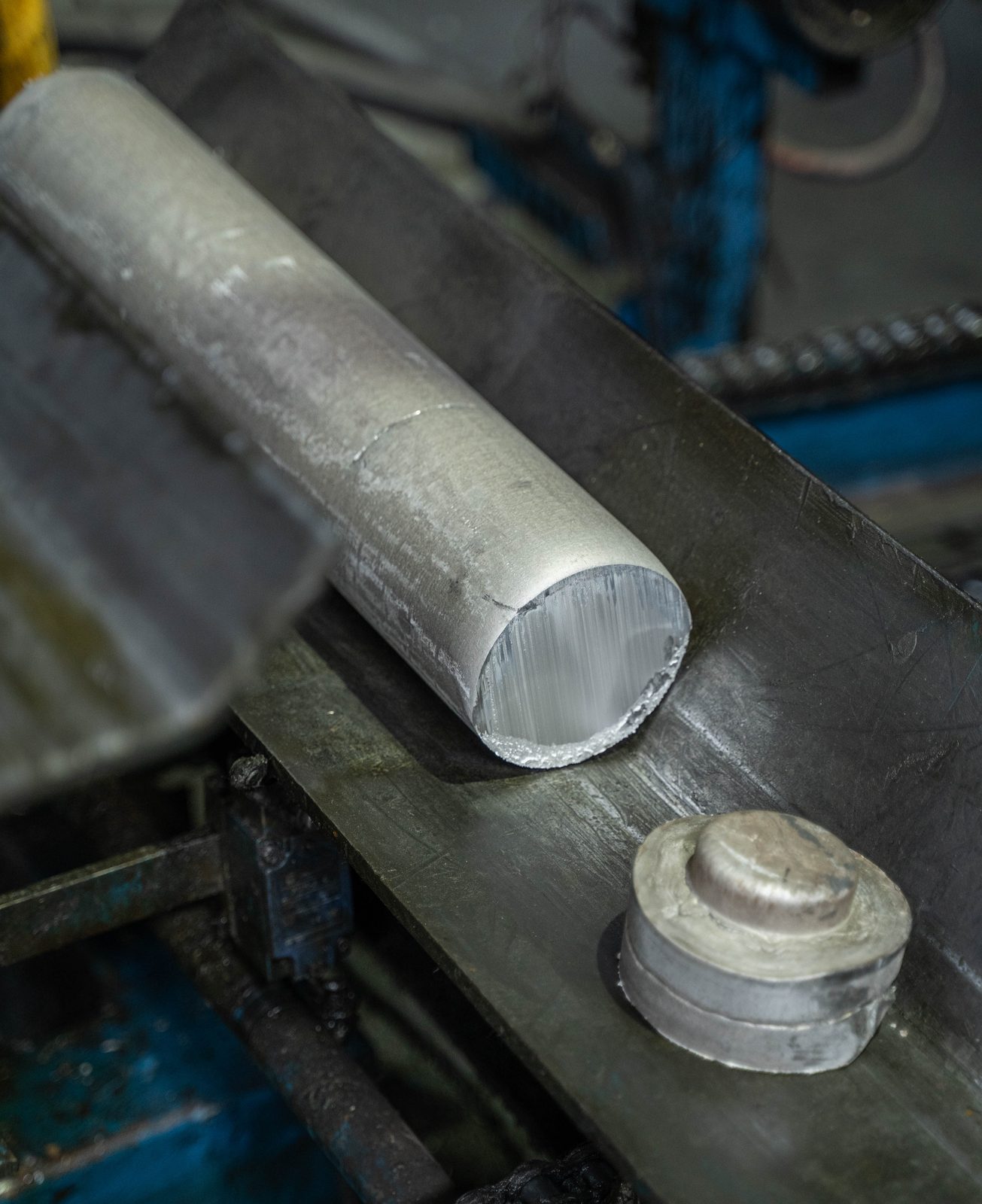
Cylindrical billets of cast aluminium alloy are cut to length (typically 300 to 700 mm) and their chemistry is verified against the alloy specification. In India, common extrusion alloys are 6063, 6060, 6061, 6005, 6082, 6351, and 6101B, all within the Al-Mg-Si 6000 series. For alloy selection, see our guide on 6063 vs 6061 aluminium.
Billet heating
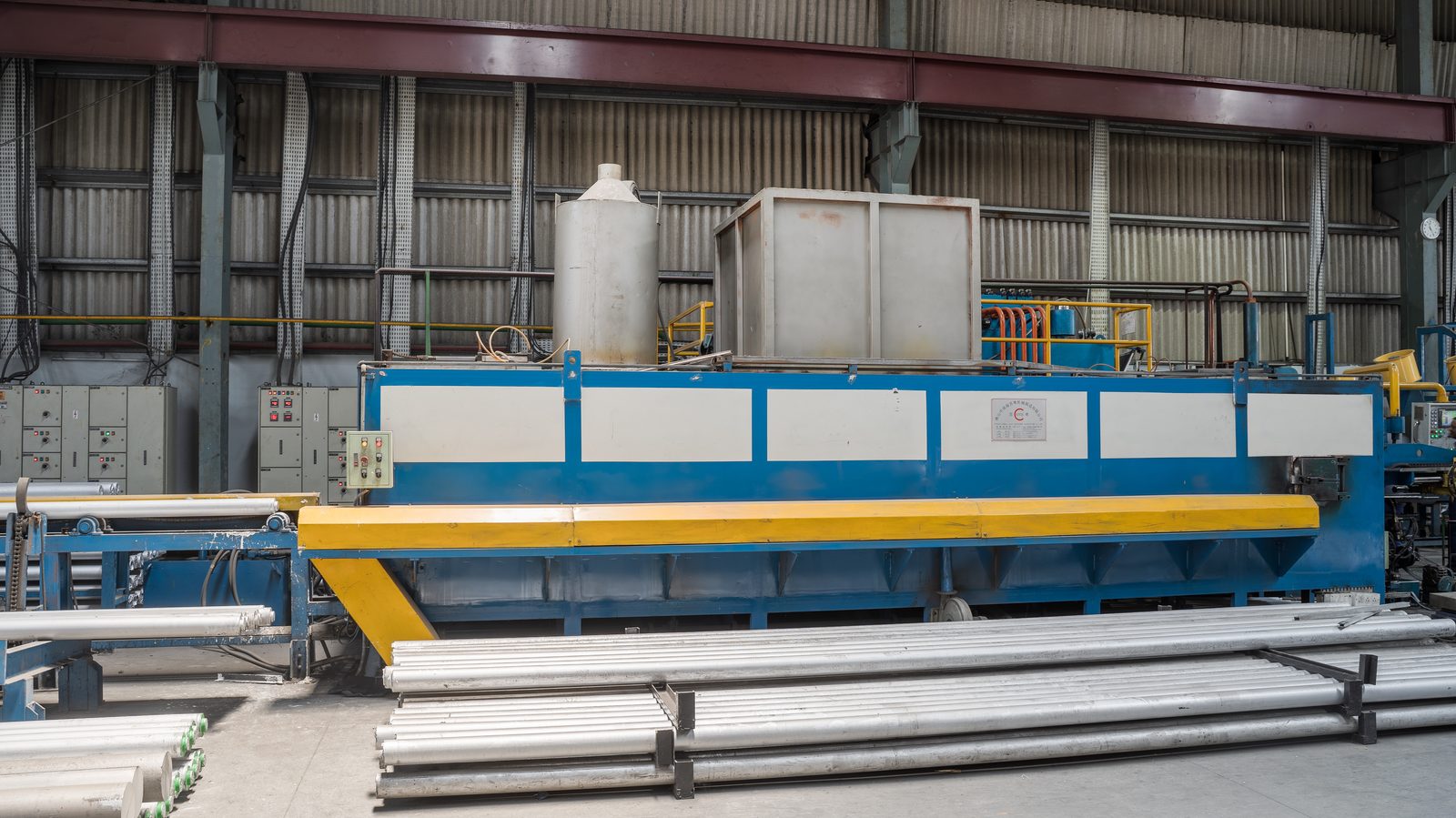
Billets are preheated in a gas-fired or induction furnace to 450°C to 500°C, the window in which aluminium flows plastically through the die without melting. Overheating causes tearing and surface defects; underheating raises press load, reduces exit speed, and compromises the temper.
Extrusion in the press
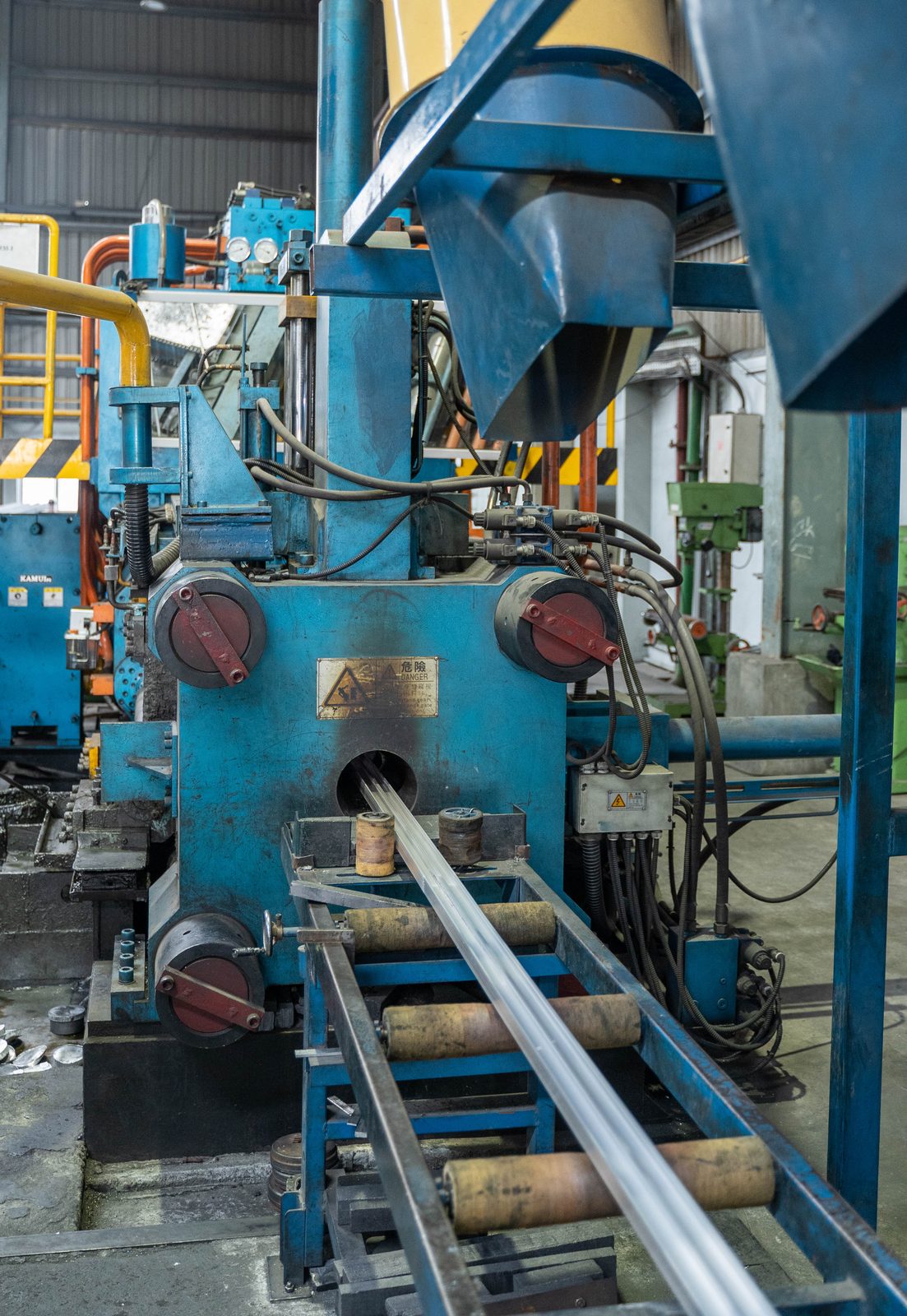
The billet is loaded into a heated container, and a hydraulic ram pushes it through the die. Press size depends on the reduction ratio (or extrusion ratio): the profile cross-section area divided by the billet area. If this ratio is too low, the material comes out softer and weaker than desired. If it is too high, the pressure is excessive, wearing out the die faster and causing surface defects. Exit speed, billet temperature, and ram pressure are monitored in real time to keep properties consistent.
Quenching and runout
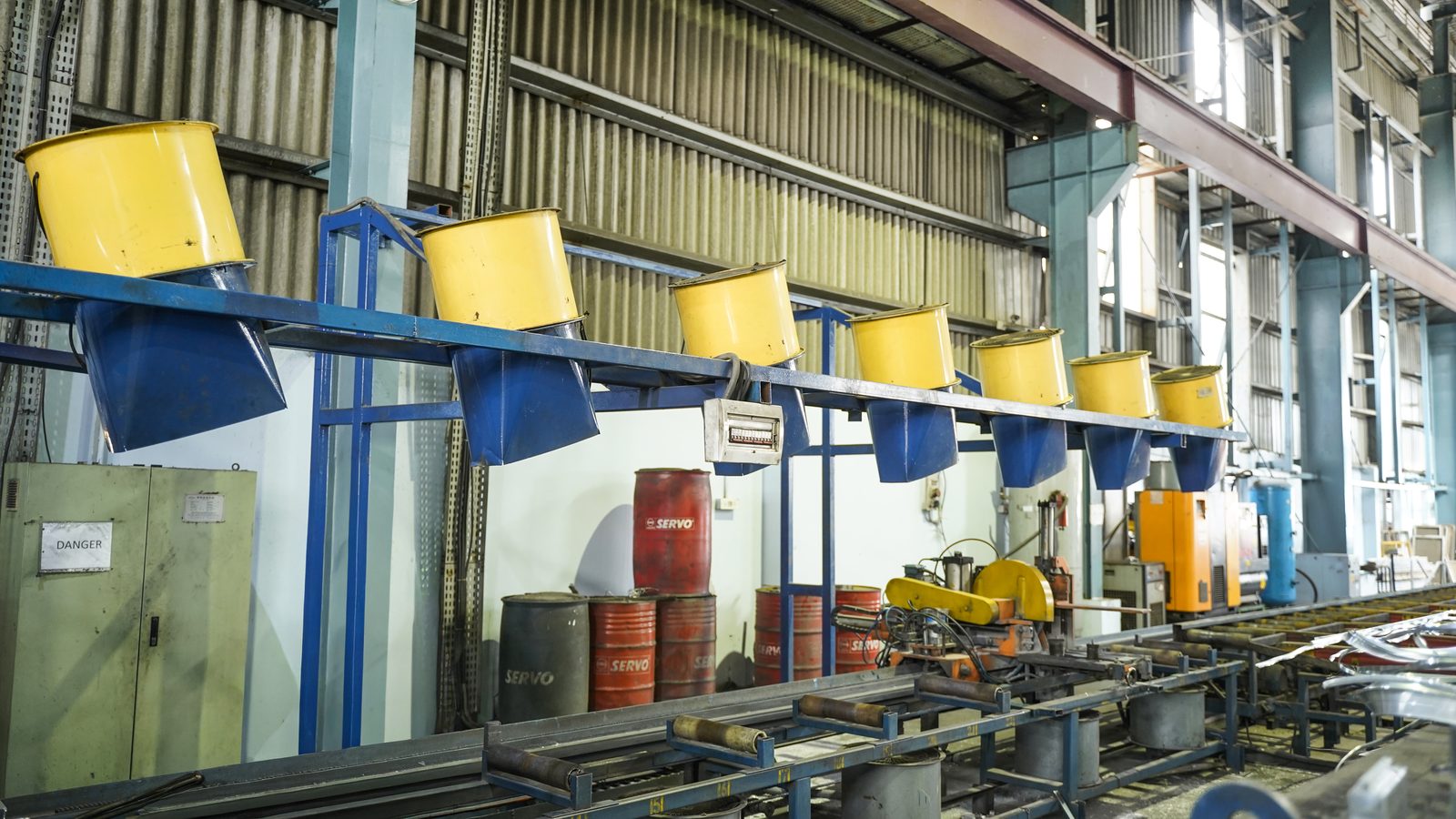
As the profile exits the die, it is quenched on the runout table using forced air, water mist, or water spray, depending on the alloy and target temper. A puller maintains exit tension to hold straightness and control twist.
Stretching
Once cooled, the profile is pulled at both ends on a stretcher to remove twist, bow, and residual stress. The stretch is what sets the profile straight and dimensionally stable for sawing and downstream operations.
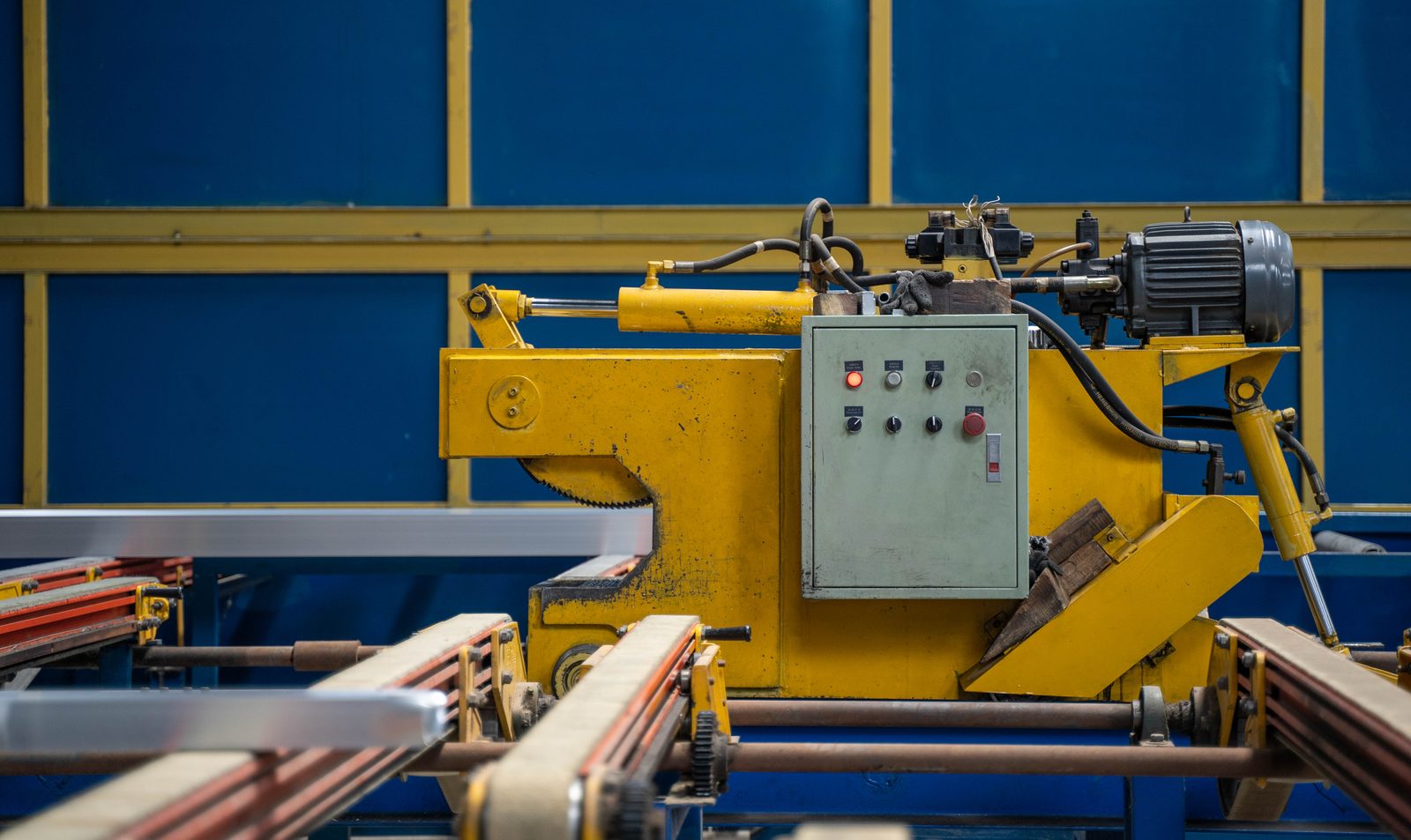
Cutting to length
In India, the standard cut length is 12 feet (3,660 mm), but profiles can be cut between 2 and 6 metres. Shorter lengths need offline cutting. Lengths over 6.5 metres cost more and most finishers cannot process them. Saws are set up to minimise burring and maintain square end cuts.
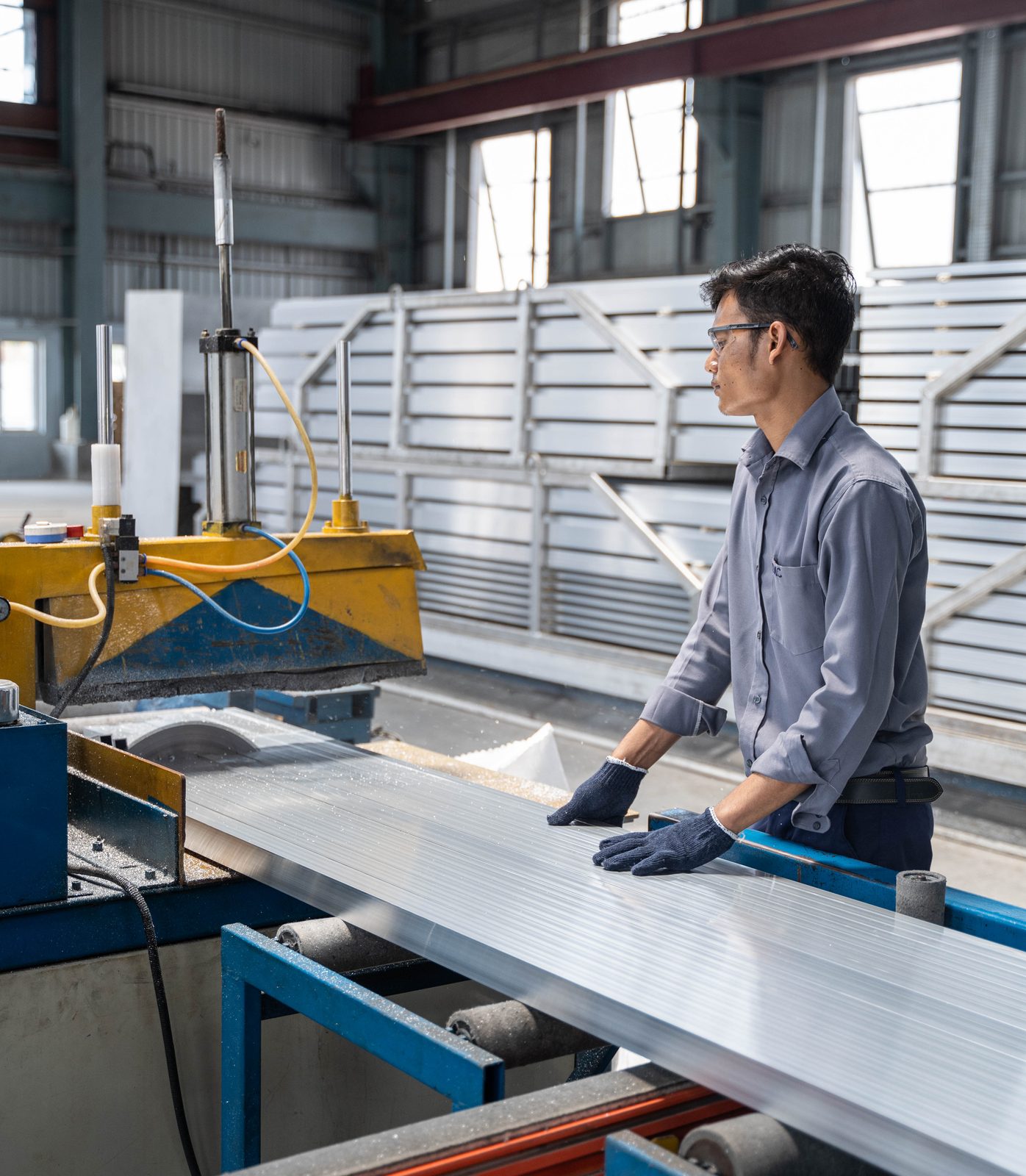
Ageing (heat treatment)
Cut profiles are loaded into an ageing oven at 180°C to 200°C for several hours to precipitate Mg2Si and develop the final temper. The ageing schedule determines whether the profile finishes in T5, T6, or T66 and is the last stage before mechanical properties are locked in. T4 is not aged and refers to the mechanical properties of the profile as extruded.
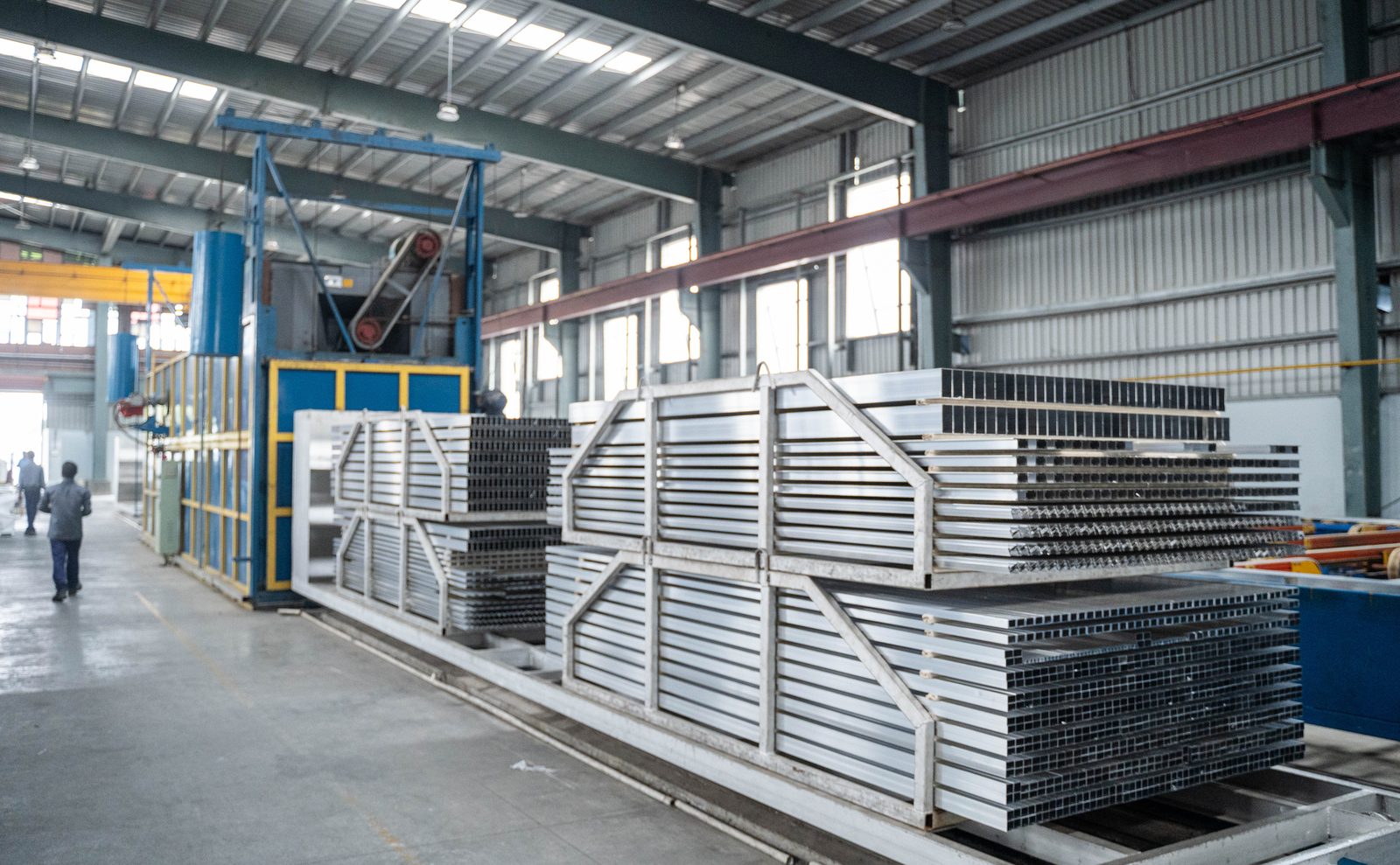
Quality inspection
Profiles are inspected for dimensional accuracy, straightness, flatness, twist, surface finish, and hardness. Sample testing confirms tensile strength, yield strength, and elongation. In-house labs verify compliance with applicable BIS (IS 733, IS 1285, IS 1948), EN, or ASTM standards.
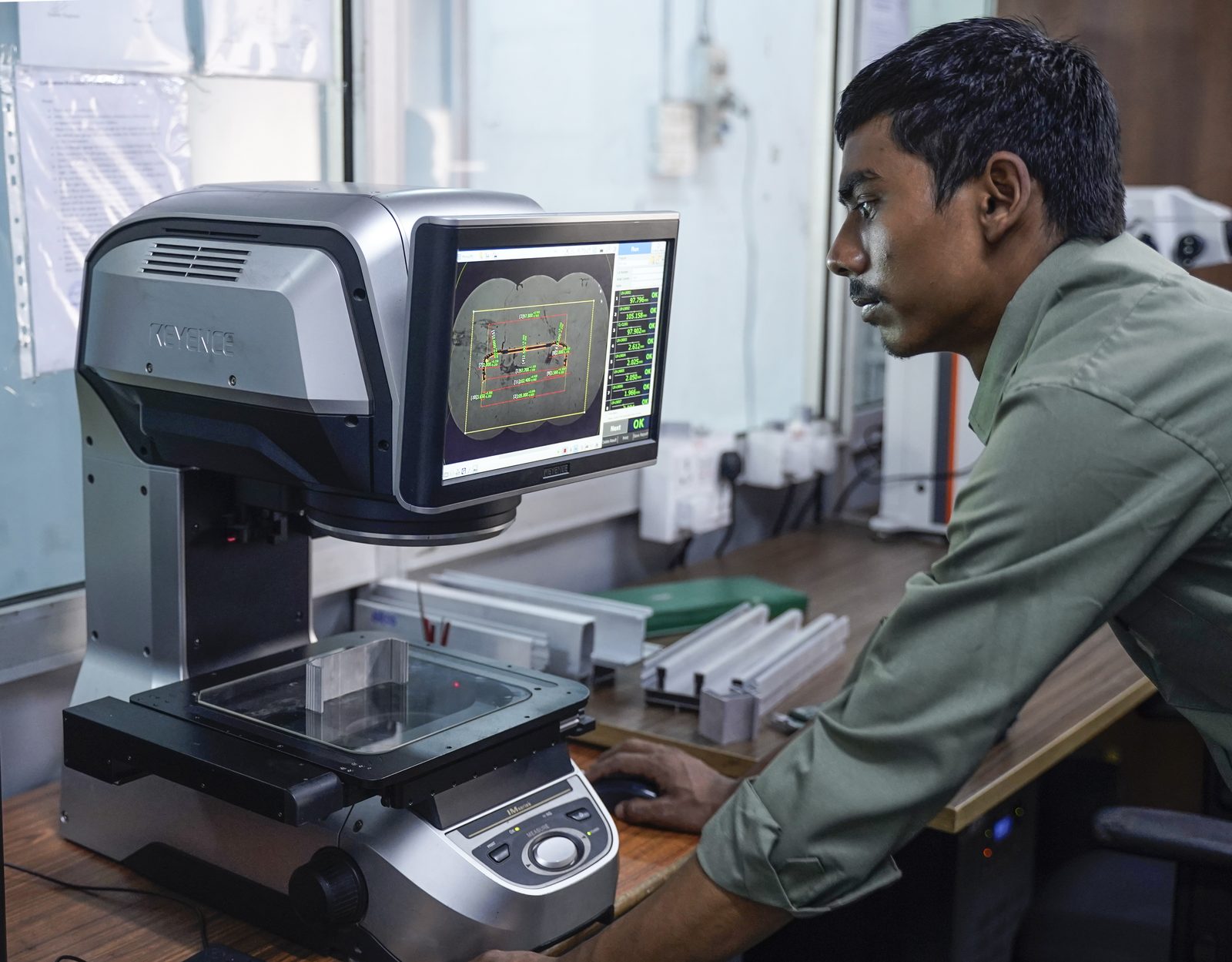
Surface finishing
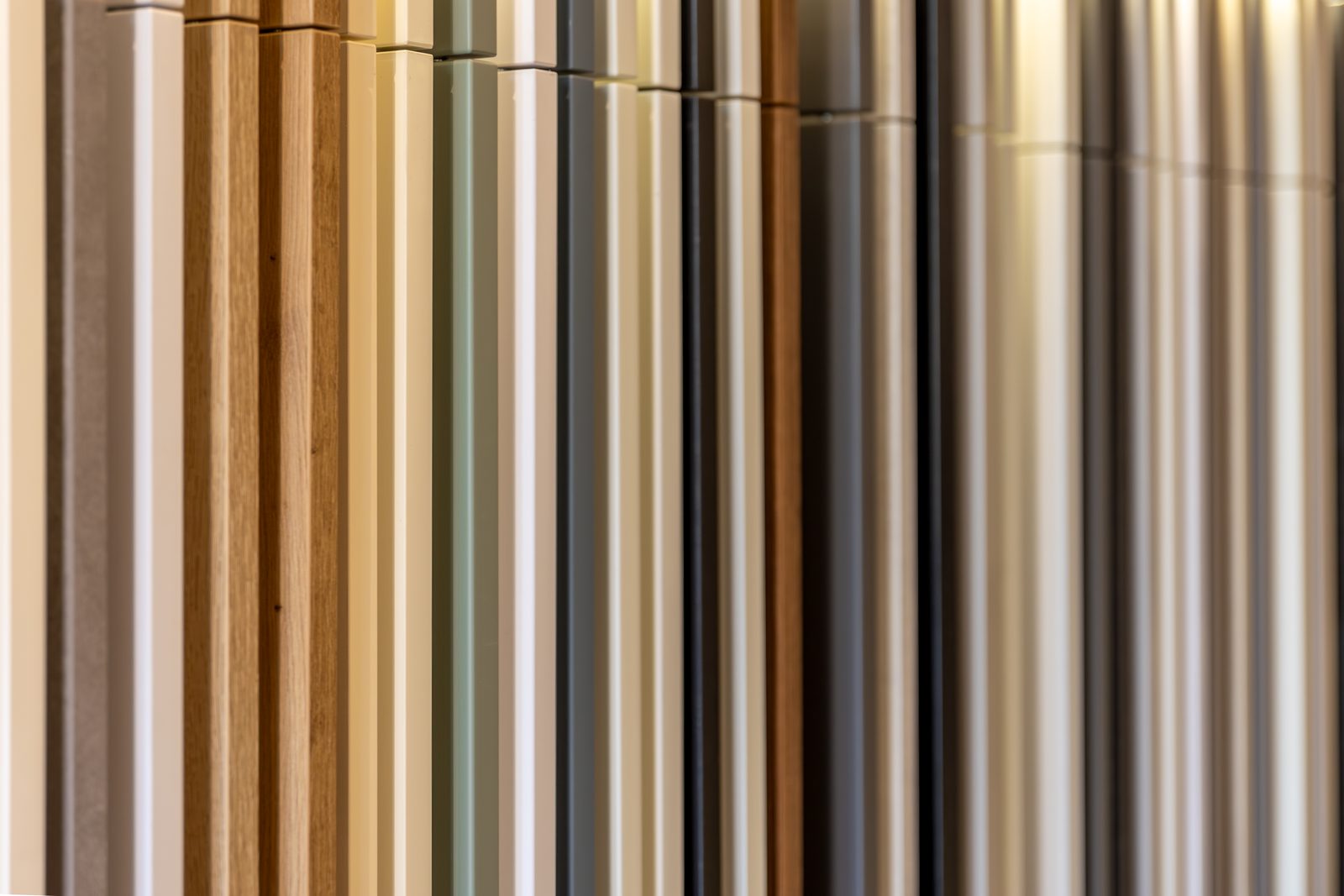
Most profiles move on to mill finish, anodising, powder coating, or PVDF, and many require secondary operations such as cutting, punching, drilling, tapping, CNC machining, or sub-assembly. Running these processes under the same roof as the press shortens lead times and reduces handling damage between stations, and avoids the blame game when something goes wrong.
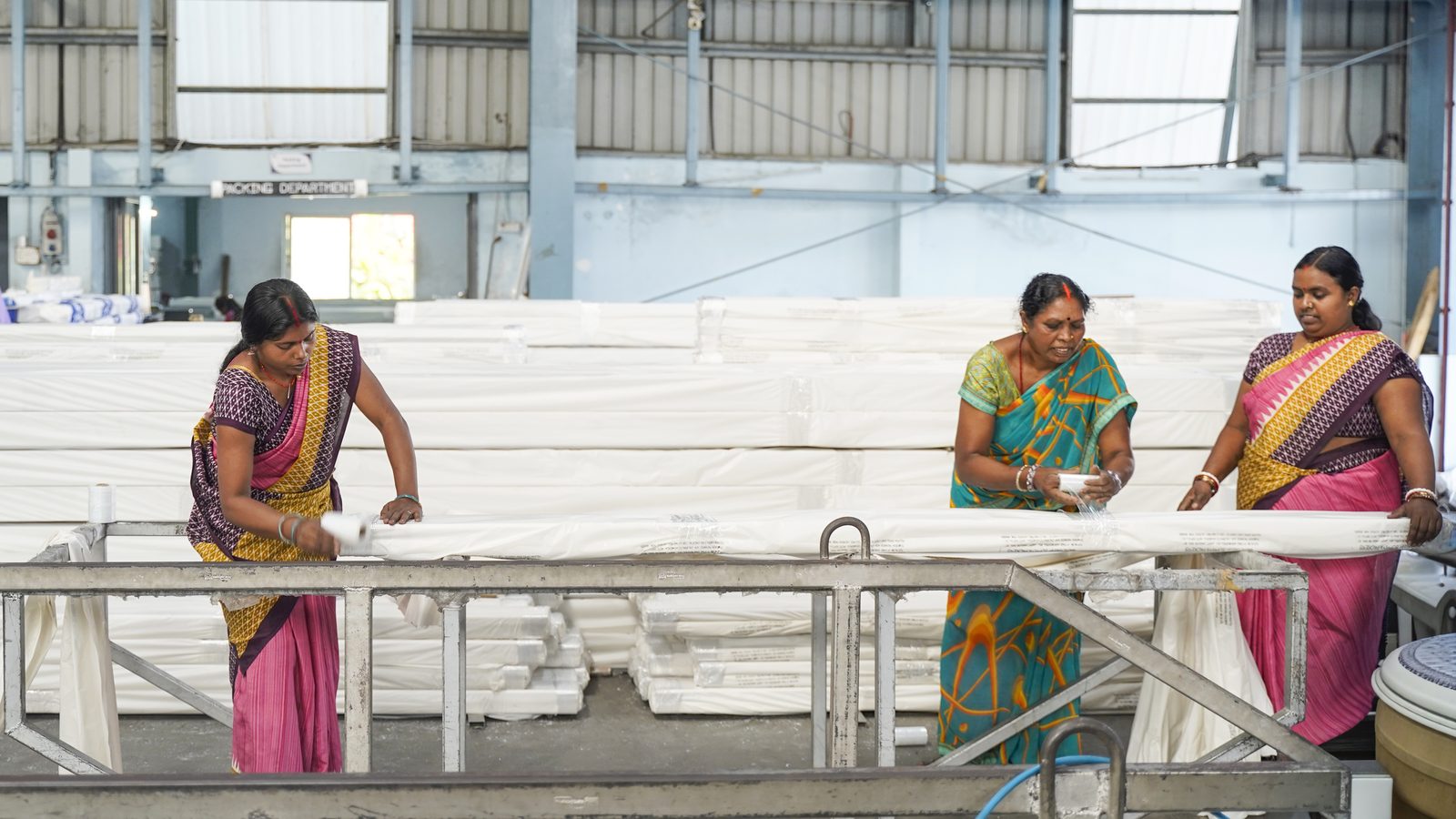
Packing and dispatch
Finished profiles are packed with protective films, corner guards, and shrink-wrap and dispatched to the project site, fabricator, or dealer.
The Role of the Die in Custom Extrusion
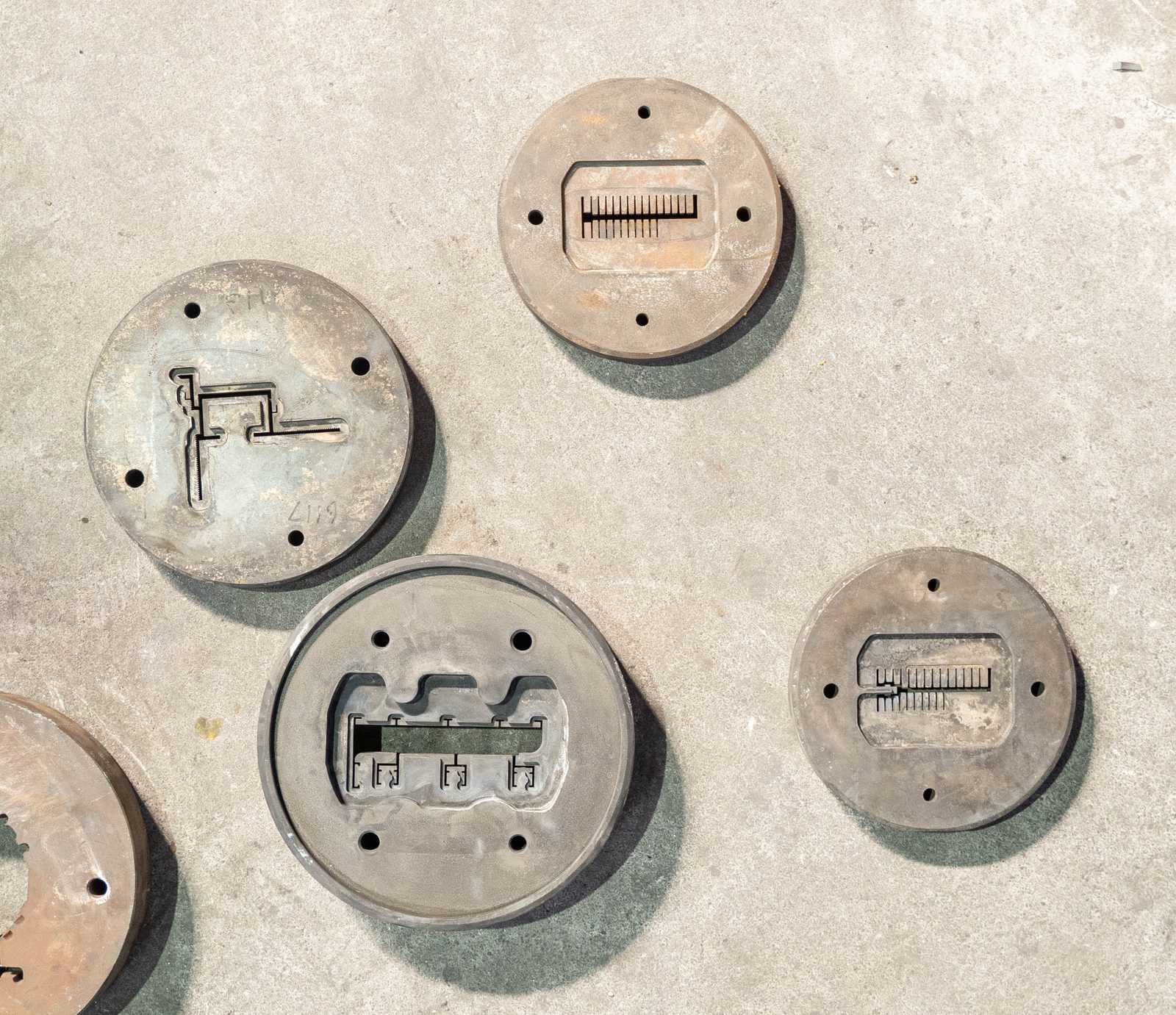
On custom extrusion projects, the die controls almost every quality metric the engineer cares about: wall thickness uniformity, dimensional tolerance, twist, bow, surface quality, and die life across the production run.
In-house die design and manufacturing shortens the cycle between drawing, prototype trial, and production release. On thin-walled or multi-chamber profiles, it is usually the difference between a first-trial success and several corrective iterations.
Thin walls are the hardest cross-sections to extrude. Wall thicknesses as low as 0.7 mm demand precise bearing design, a well-maintained press, appropriate alloy selection (6063 and 6060 are typically preferred over 6061 for thin sections), and experienced press operation. This capability is what unlocks heat sinks, solar inverter housings, and intricate architectural profiles.
Common Aluminium Alloys Used in Extrusion
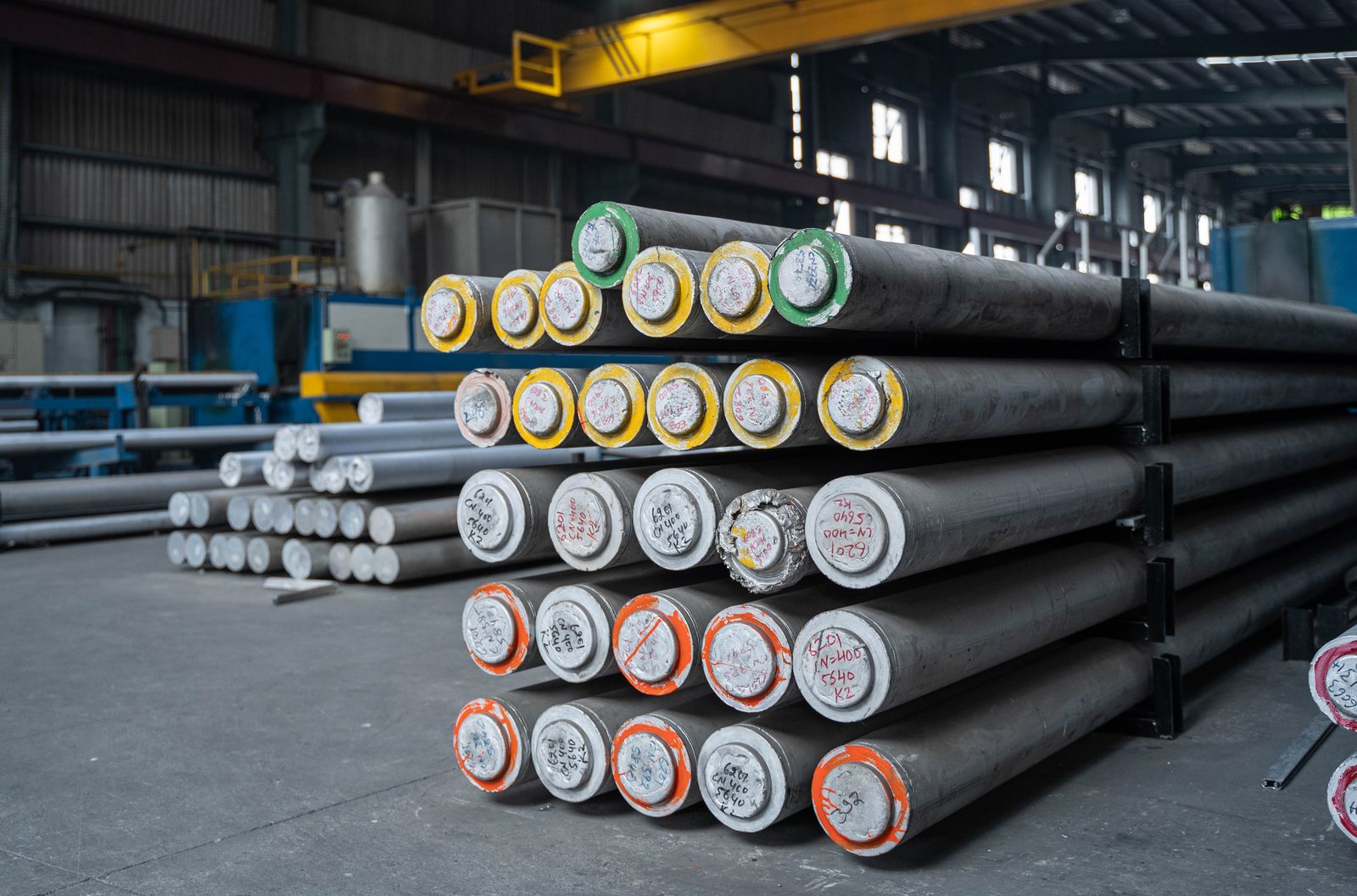
The 6000 series is the backbone of aluminium extrusion worldwide, and particularly in India. Karnataka Metal Company extrudes the full 6000 series across seven alloys:
| Alloy | Key Characteristics | Typical Applications |
|---|---|---|
| 6063 | Excellent extrudability and surface finish, medium strength. More prevalent in North America | Windows, doors, curtain walls, architectural profiles, heat sinks |
| 6060 | Similar to 6063 with even better extrudability for thin-walled shapes. More popular in Europe | Intricate architectural profiles, decorative sections |
| 6061 | Higher strength, good machinability and weldability | Structural members, transport, industrial framing |
| 6005 | Intermediate strength and extrudability | Railway and bus body structures, ladders, utility poles |
| 6082 | Highest strength among common 6000 series alloys | Structural, marine, heavy engineering |
| 6351 | High strength with good formability | Heavy structural profiles, transport, high-load applications |
| 6101B | Optimised for electrical conductivity | Electrical bus bars, conductors, power distribution |
For architectural applications, 6063 is the default. For load-bearing members, 6061, 6082, or 6351 are preferred. For electrical conductor profiles, 6101B is specified.
Extrusion Tempers: T4, T5, T6, and T66
The temper is set by the heat treatment and ageing sequence and directly controls mechanical properties. Four tempers are standard across the 6000 series:
T4 temper
This is the as-extruded temper. There is no temper below this. Customers typically select this temper when bending the profile is required.
T5 temper
Air-cooled from the extrusion temperature and artificially aged. A cost-effective balance of strength and surface finish; traditionally the default for architectural profiles, though many customers now specify T6 to reduce profile thickness and save on aluminium weight.
T6 temper
Cooled after extrusion using air or water, depending on the profile and extrusion ratio, then aged for higher strength.
T66 temper
Used sparsely. For applications where both strength and high corrosion resistance are needed. Typically used with 6063, which has better corrosion resistance than 6005 (the next alloy in terms of tensile strength).
Indian Standards for Aluminium Extrusions
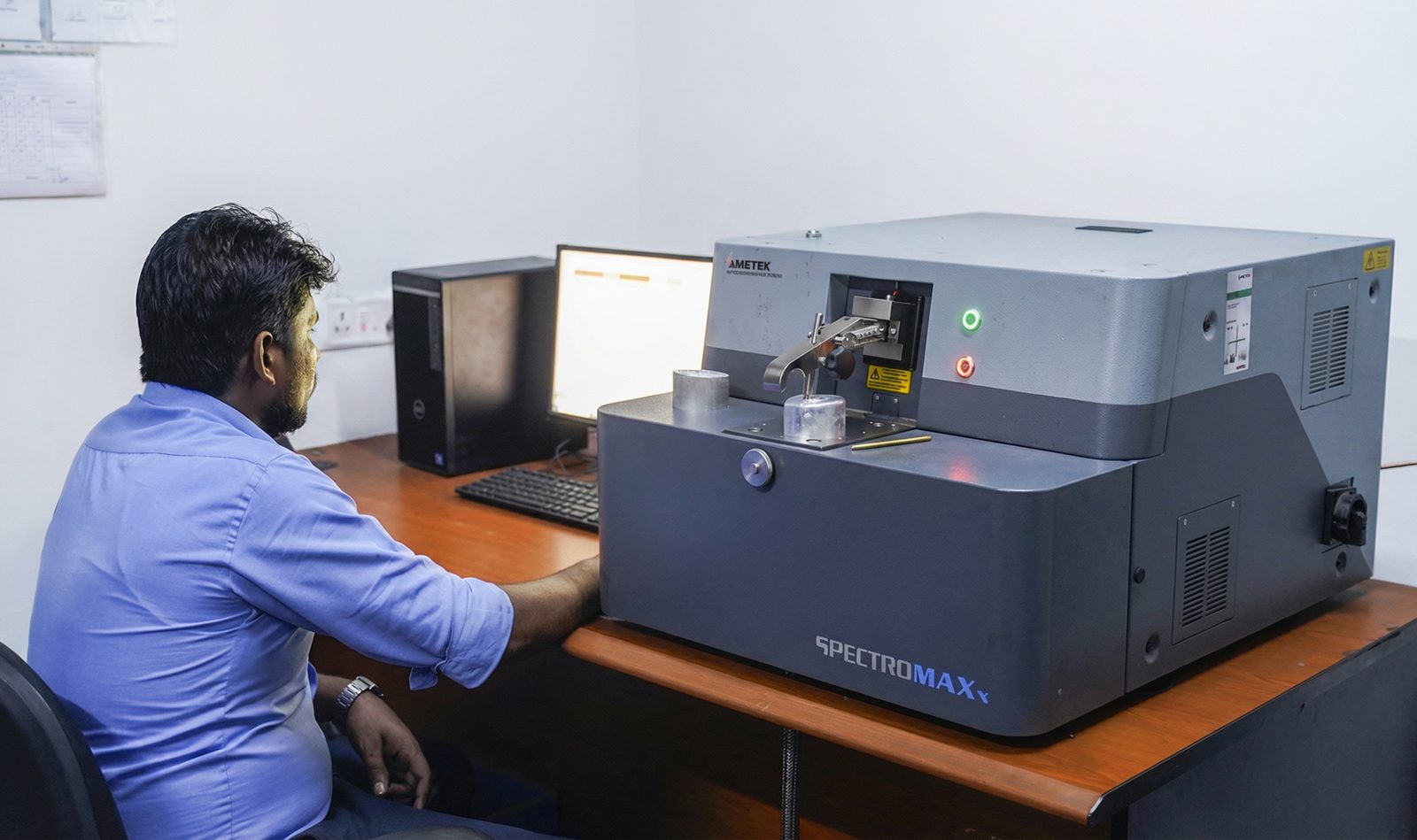
Under the Aluminium Quality Control Order, all aluminium extrusions sold in India must carry the BIS Standard Mark (ISI mark). BIS uses Indian alloy designations rather than the international 6063/6061 names: 6063 is referred to as 63400 and 6061 as 65032.
- IS 733:1983 covers wrought aluminium bars, rods, and aluminium sections for general engineering
- IS 1285:2023 covers extruded aluminium tubes and hollow sections
- IS 5082:1998 covers wrought aluminium for electrical purposes
- IS 1948:2024 covers aluminium-framed doors, windows, and sliders
Applications of Extruded Aluminium in India
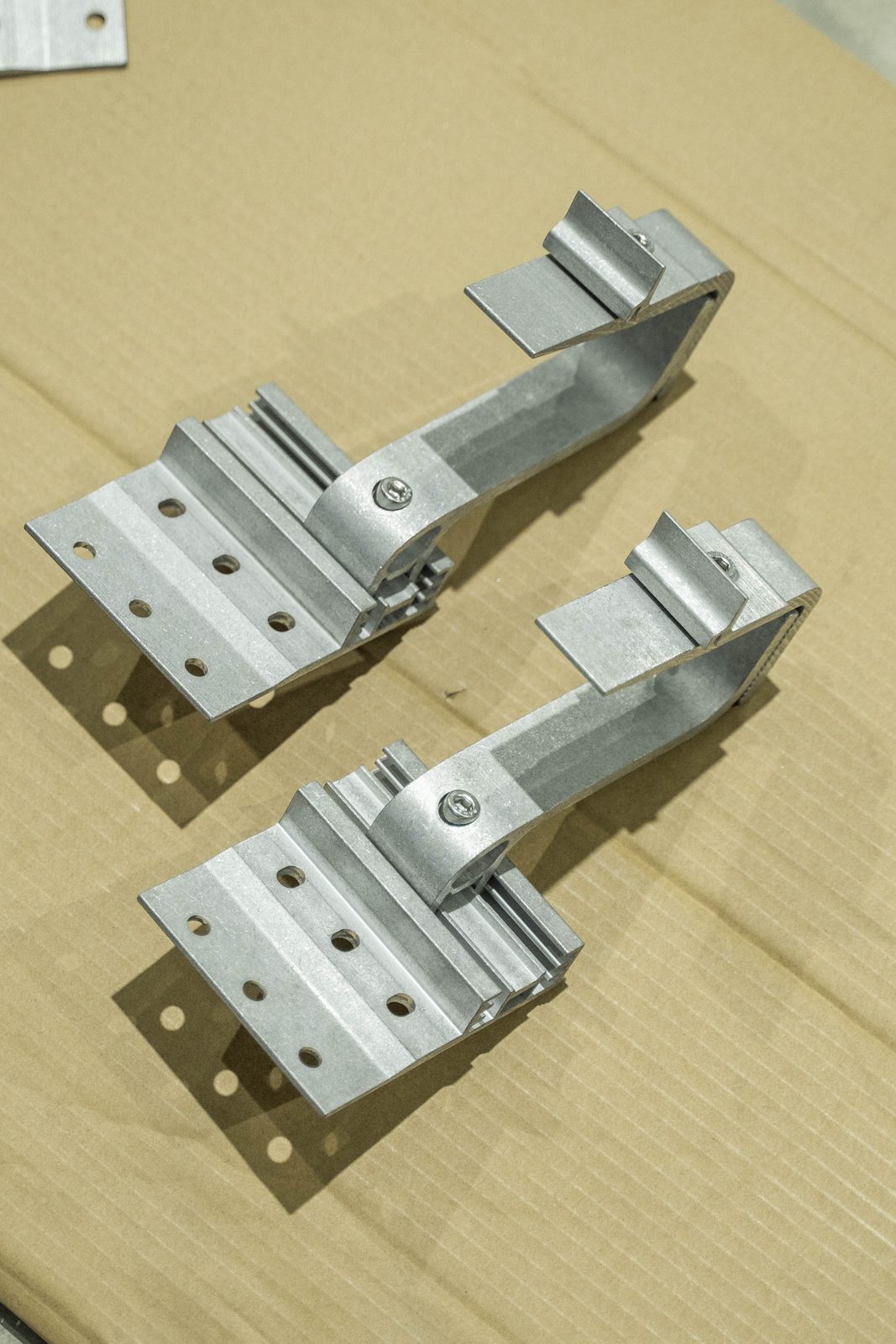
Extruded aluminium touches almost every sector of the Indian economy:
How to Choose an Aluminium Extrusion Manufacturer
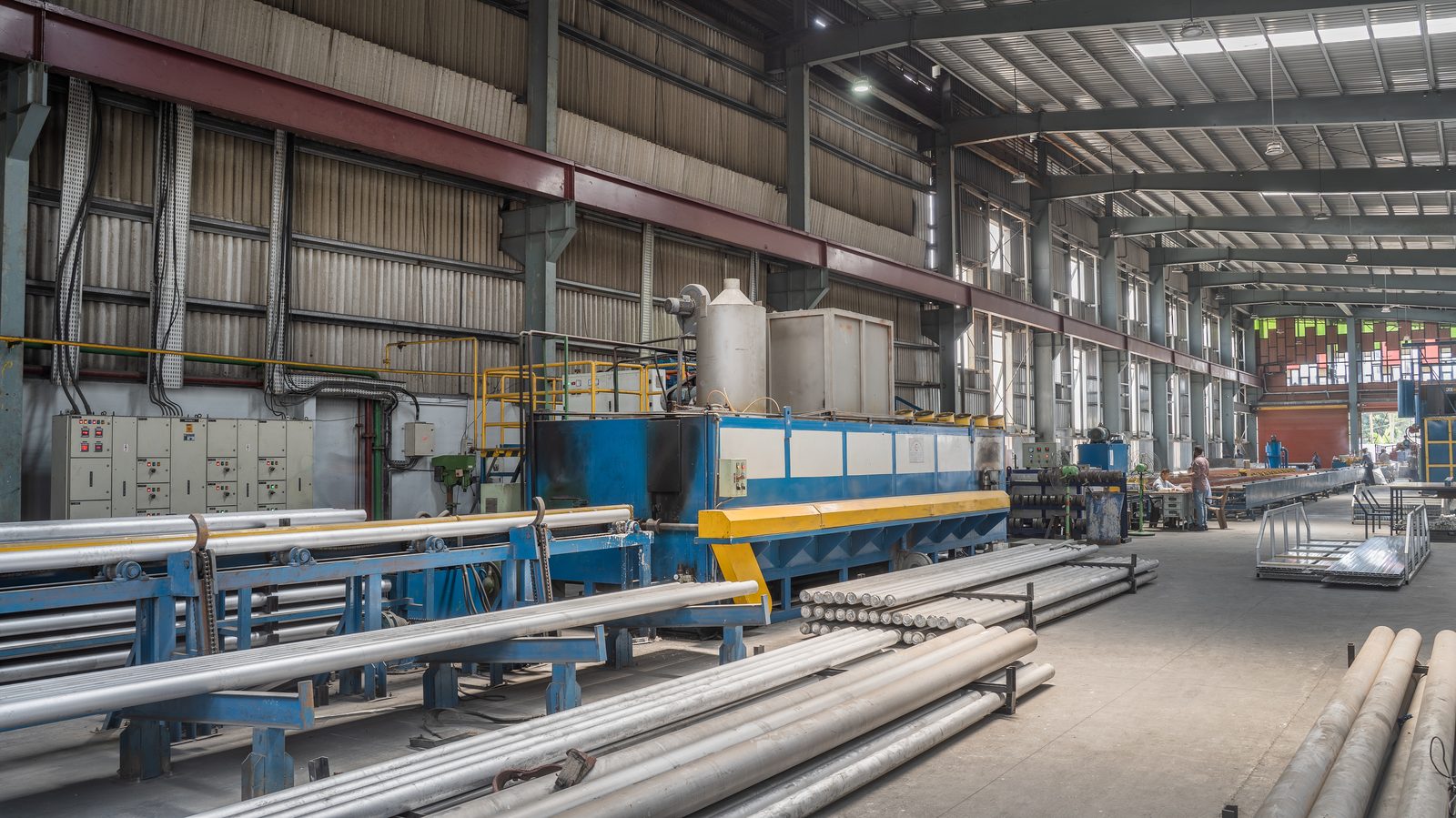
Choosing the right extruder has a direct impact on profile quality, delivery reliability, and project cost. The criteria that matter most:
- Press tonnage and billet size: Larger presses handle bigger profile cross-sections and heavier walls; a supplier with multiple press sizes can match the right press to each profile.
- In-house die design and manufacturing: Reduces lead times on custom extrusion and enables rapid iteration during prototype development.
- Alloy and temper range: Confirm the supplier routinely extrudes your required alloy (6063, 6060, 6061, 6005, 6082, 6351, or 6101B) in the correct temper (T4, T5, T6, or T66).
- Tolerances and surface quality: Ask for typical straightness, twist, and wall-thickness tolerances; for visible architectural profiles, anodising-grade finish is essential.
- Finishing: Look for a supplier who handles surface preparation (buffing and shot blasting), machining, laser marking, assembly, and special packing in-house, while taking full responsibility for finishing processes like anodising and powder coating. This avoids the blame game and helps shorten lead times.
- BIS/ISI certification: Mandatory for extrusions sold in India under the applicable IS standard.
- Location and logistics: For South Indian projects, a Bangalore-based extruder reduces freight cost and delivery time compared with suppliers in Gujarat or Maharashtra.
Why Choose Karnataka Metal Company for Aluminium Extrusion?
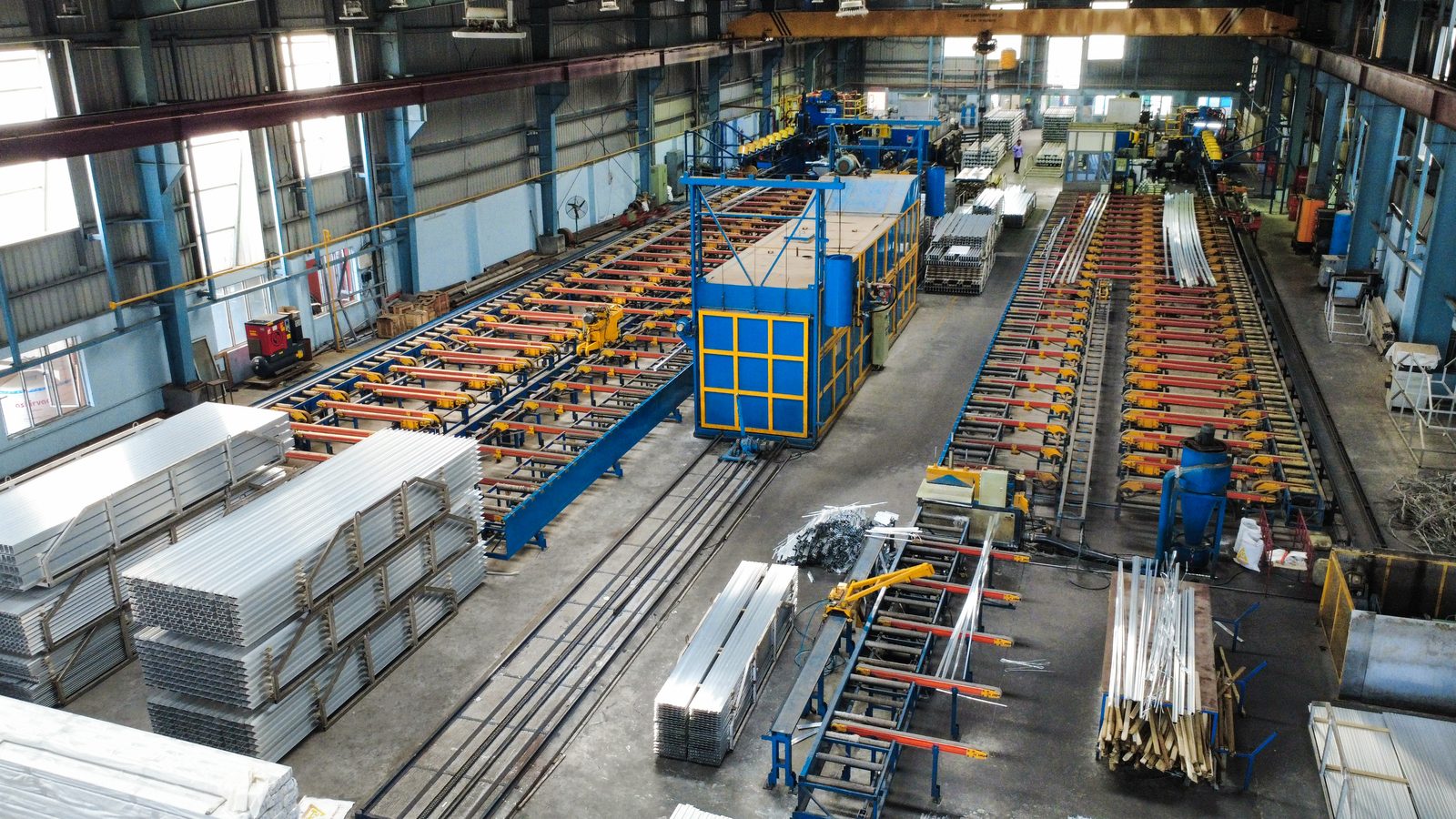
As one of South India's established integrated aluminium and glass companies, Karnataka Metal Company runs an extrusion operation built around the engineering discipline that custom extrusion actually demands: in-house die design, matched press tonnage, tight process control, and finishing fully managed from one point. Profile accuracy, wall thickness consistency, and surface quality are decided long before a billet reaches the press.
Our 50,000 sq ft extrusion plant in Dabaspet, Bangalore, operates at 4,800 TPA installed capacity with 1540T and 700T presses, backed by an in-house die design and manufacturing centre that shortens iteration cycles on custom profiles. We extrude the full 6000 series in every common temper and support the plant with in-house machining and fully managed finishing, so profiles move from billet to dispatch under one roof.
- ISO 9001:2015 & ISO 14001:2015 and BIS/ISI certified facility with in-house testing for IS 733, IS 1285, and IS 1948 compliance, as well as relevant EN and ASTM standards
- In-house die design and manufacturing centre for faster iteration and tighter dimensional control on custom extrusion projects
- Dual press capability with 1540T and 700T presses, enabling flexibility across profile sizes and wall thicknesses
- Thin-wall extrusion down to 0.7 mm on 6063 and 6060 for heat sinks, solar frames, and intricate architectural profiles
- Full 6000 series coverage: 6063, 6060, 6061, 6005, 6082, 6351, and 6101B in T4, T5, T6, and T66 tempers
- Finishing and machining: Anodising and powder coating are outsourced but fully managed by us. Surface preparation, like buffing and shot blasting, is done in-house, along with cutting, punching, CNC machining, laser marking, assembly, and special packing.
- Flexible production supporting both large project volumes and smaller custom runs with reliable delivery timelines
As an integrated supplier, we also provide aluminium profiles, machining services, and glass products from the same Bangalore campus, enabling smoother coordination across project stages.
Get in Touch
Contact us for custom extrusion guidance, die design support, and competitive pricing.
- Phone: +91 80 2670 9928
- Email: sales@karnatakametal.com
- Visit us: 16 & 17, A.M Road, Kalasipalya Extension, Bangalore 560002
Get in touch for a consultation and quote.
Frequently Asked Questions