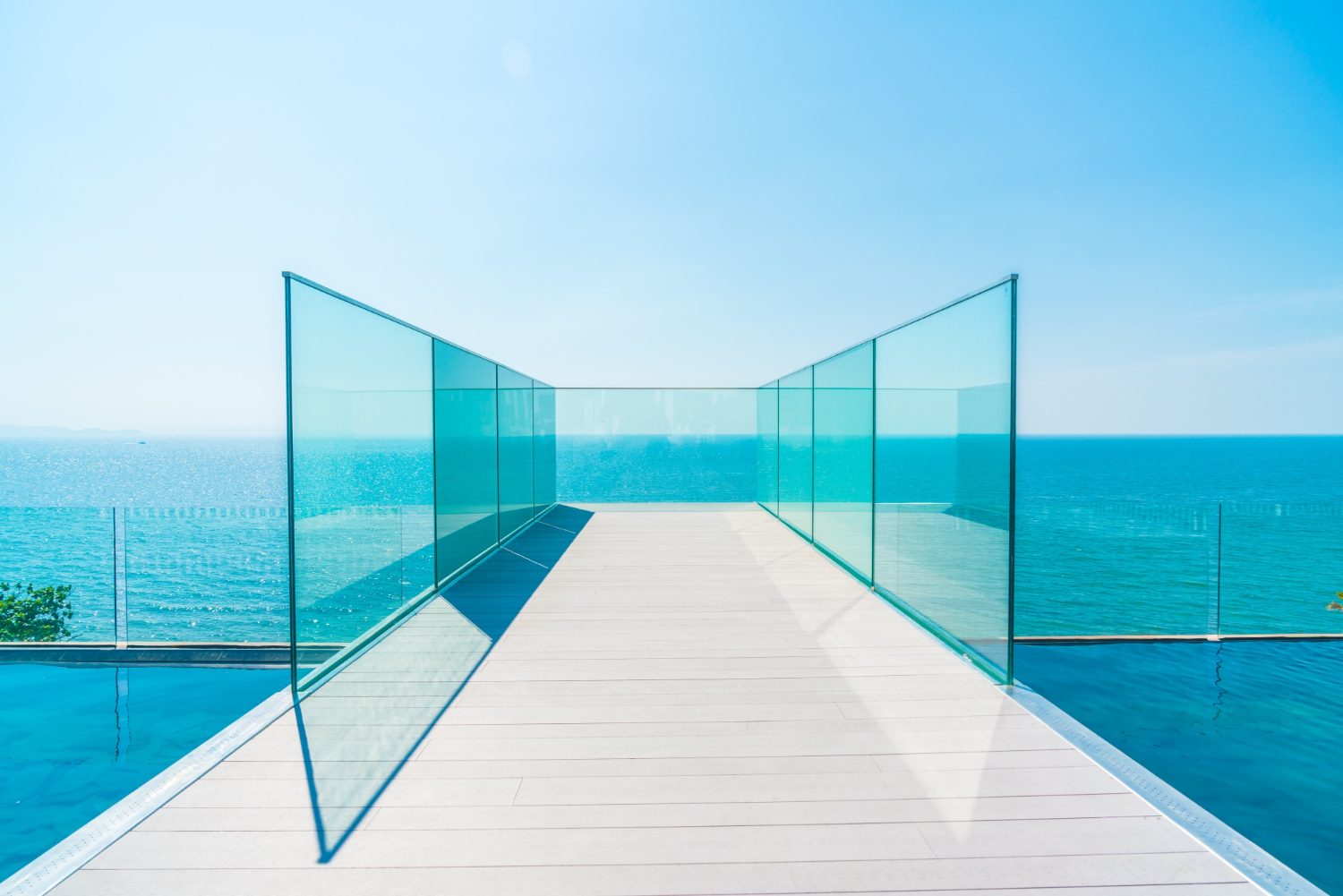
Selecting the right types of glass for a building is one of the most consequential decisions an architect or builder makes. The wrong choice can compromise occupant safety, inflate energy costs, or fail a BIS compliance audit. Whether the question is which glass for home windows or what type suits a commercial facade, the decision is rarely straightforward.
This guide helps architects and builders in India match building glass types to specific applications, performance needs, and regulatory requirements.
Types of Architectural Glass: What You Need to Know
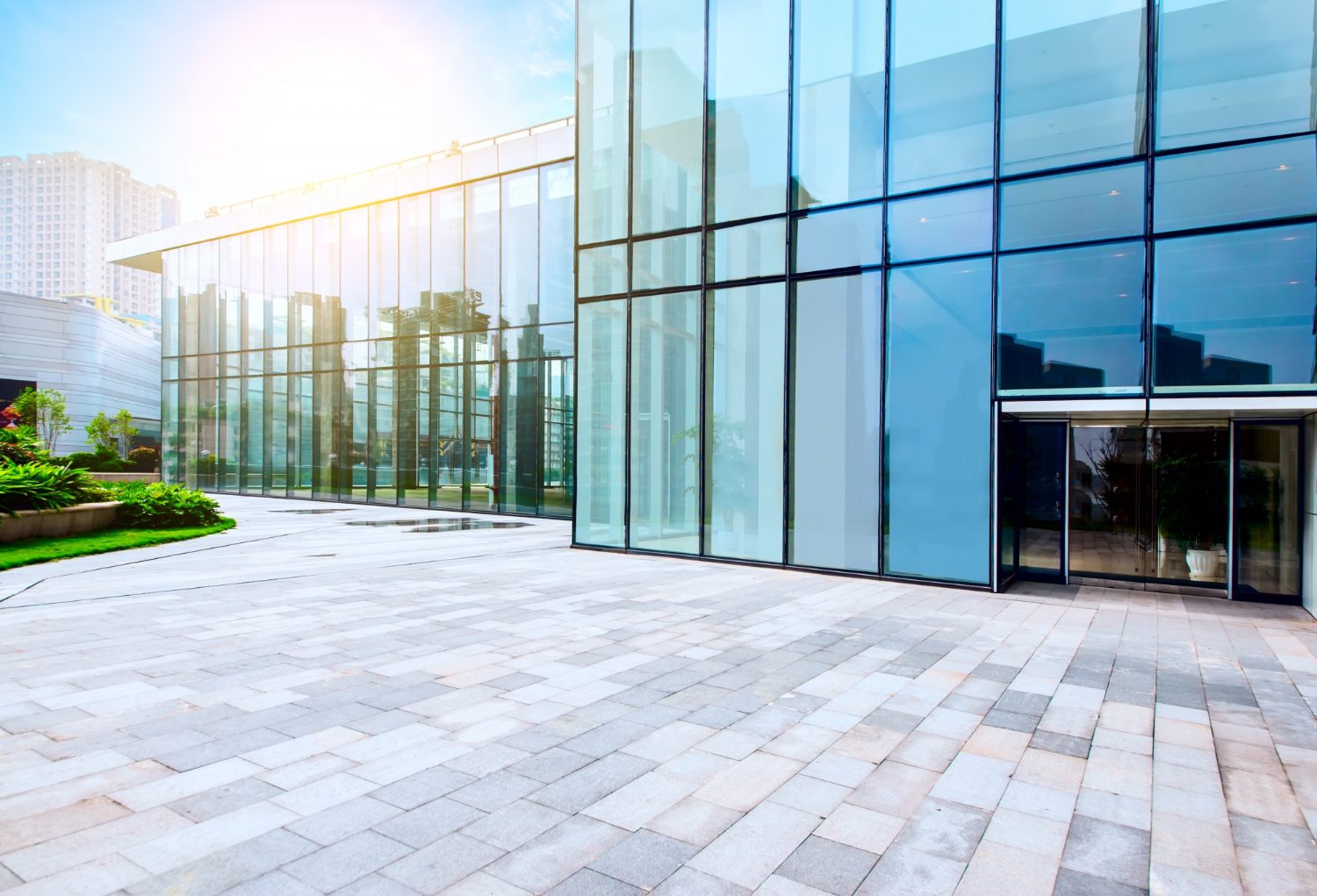
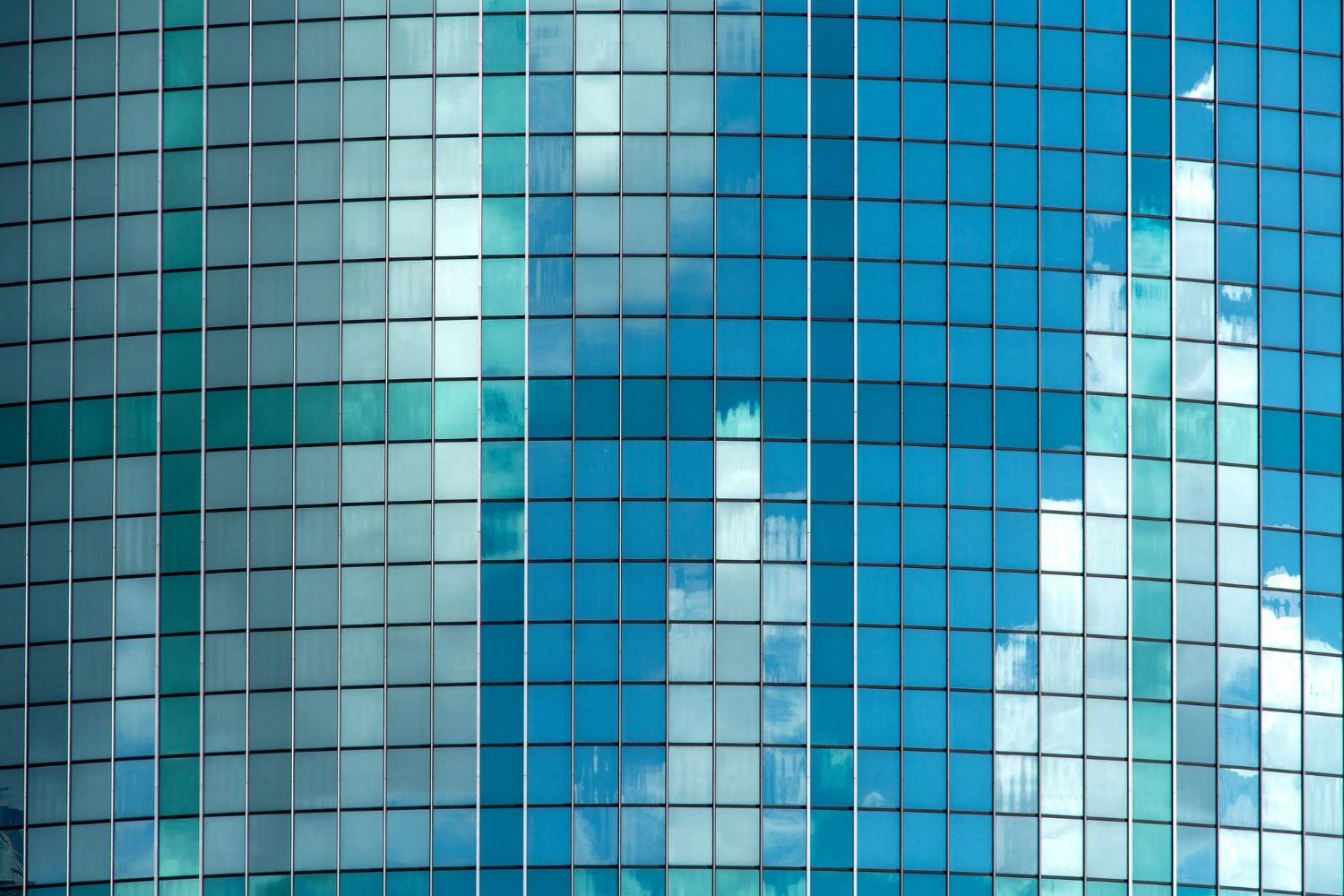
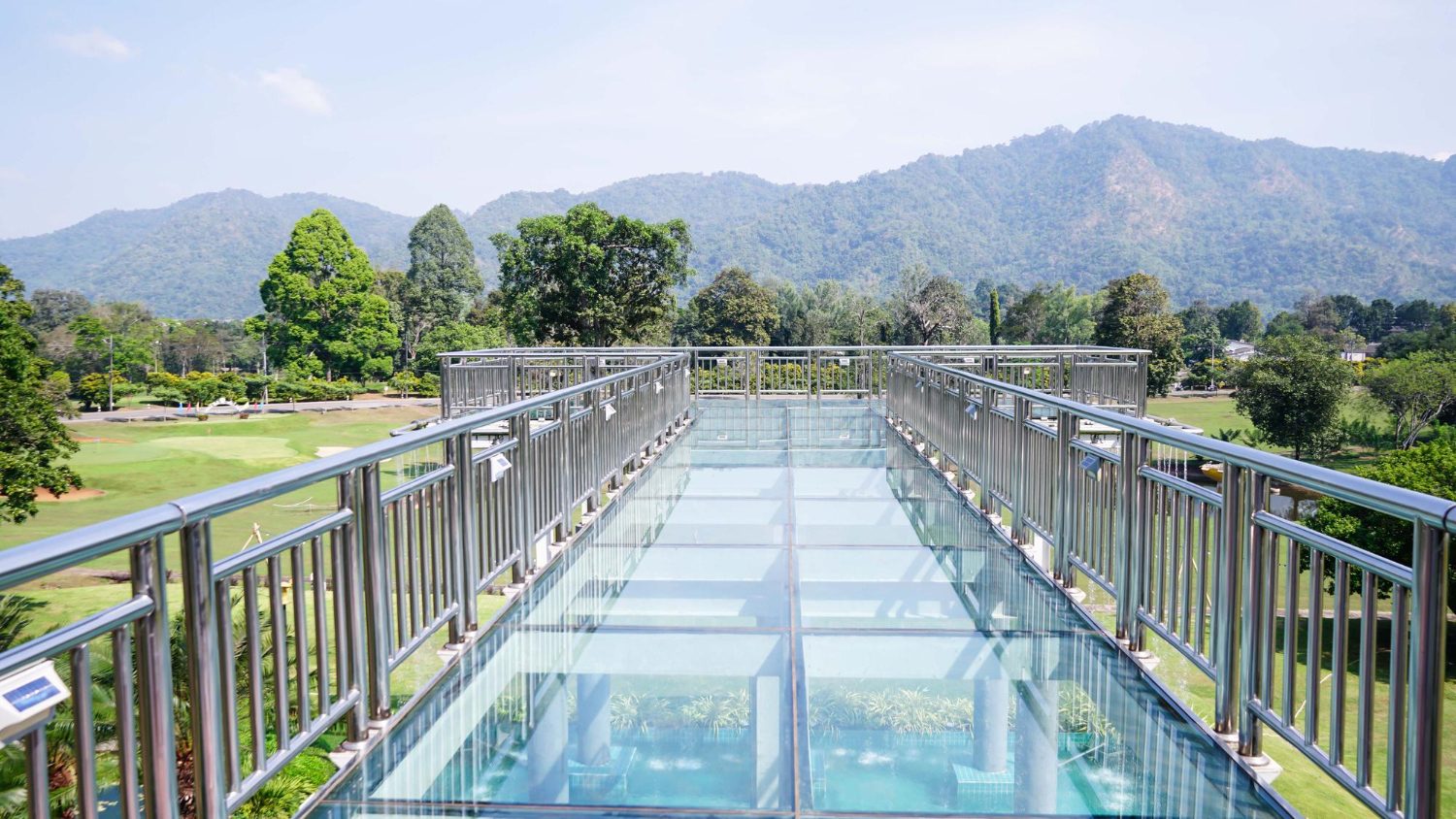
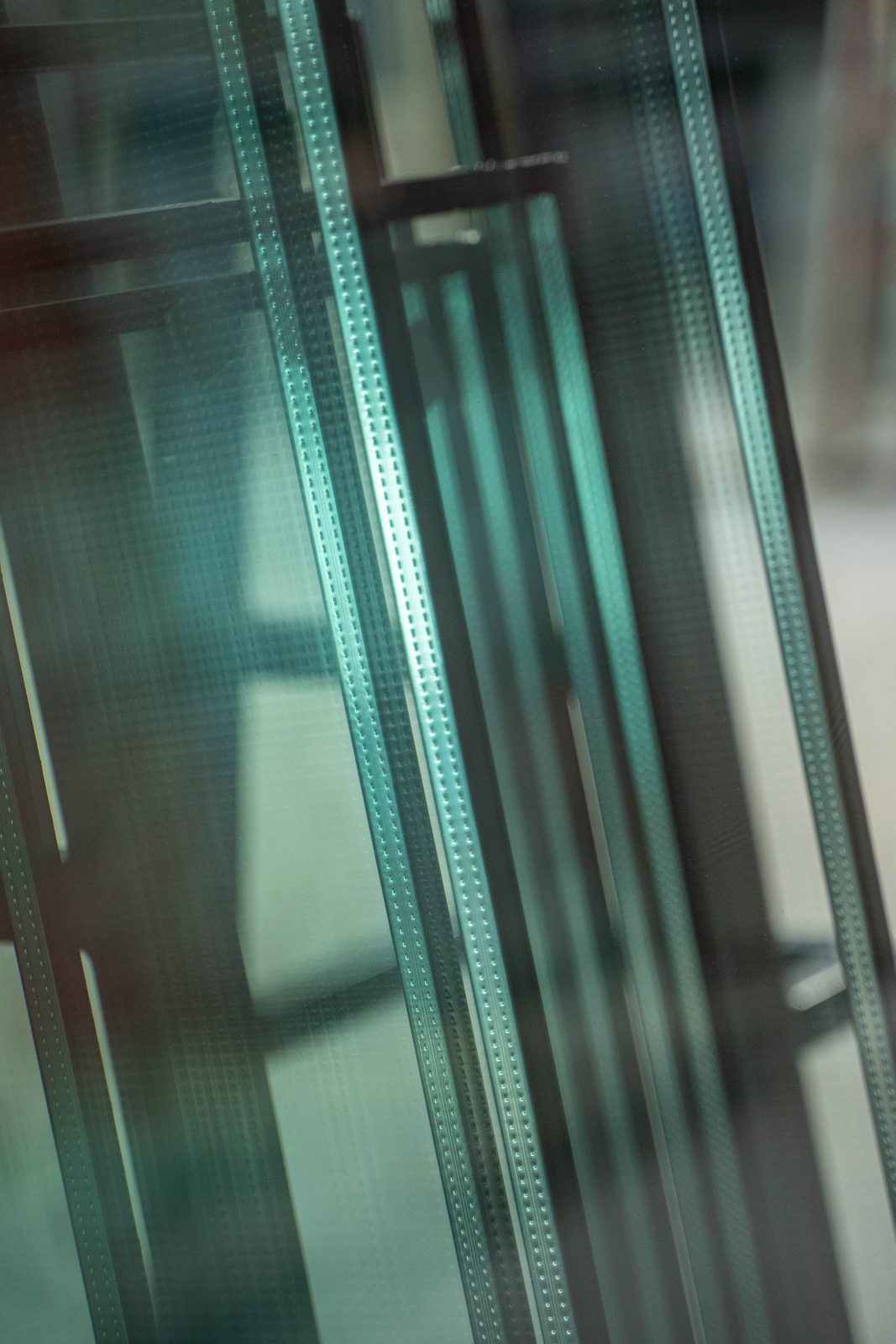
All architectural glass starts as float glass (annealed glass), which is then processed for specific performance characteristics.
The base product. It has no additional strength or safety properties and breaks into large, dangerous shards. It is not classified as safety glass under IS 2553 and should never be used where human impact or fall risk exists.
Heated to approximately 650°C and rapidly cooled, toughened glass is 4 to 5 times stronger than annealed glass of the same thickness. When it breaks, it shatters into small, relatively blunt fragments rather than sharp shards. Available in thicknesses from 4 mm to 19 mm.
Heated and cooled more slowly than toughened glass, resulting in approximately twice the strength of annealed glass. It is not classified as safety glass, but breaks into larger pieces that tend to stay in the frame. Preferred for facades where post-breakage integrity and optical flatness matter most.
Two or more glass panes bonded with a PVB (polyvinyl butyral) interlayer, typically 0.38 mm, 0.76 mm, or 1.52 mm thick. When laminated glass breaks, fragments adhere to the interlayer, maintaining a barrier. The PVB interlayer blocks up to 99% of UV radiation (up to 380 nm wavelength) and provides better sound insulation than a single glass of equivalent thickness. Acoustic PVB interlayers are also available for improved sound insulation where required.
Combines both technologies: toughened panes bonded with PVB, offering impact strength with post-breakage safety. The standard choice for balustrades, skylights, and overhead glazing where both strength and fall-through resistance are required.
Two glass panes separated by an air or gas-filled cavity, sealed as a unit. DGU improves thermal performance and is essential for meeting ECBC 2017 requirements in commercial buildings.
DGU is compulsory for soft coat reflective glass, which provides the best thermal performance and must be used within a sealed unit. It also helps reduce the risk of condensation on the glass surface.
A metallic oxide coating applied to the glass surface reflects infrared heat while allowing visible light to pass through, improving thermal performance and reducing heat gain. These coatings are used to control solar radiation and are widely used in energy-efficient facades.
Available as:
- Soft coat (sputtered): higher performance, must be used within a DGU
- Hard coat (pyrolytic): more durable, can be used as single glazing
Depending on the coating type and configuration, these glasses can achieve low SHGC values (lower SHGC means less solar heat enters the building), making them suitable for west and south-facing facades in Indian climates where cooling loads are high. In India, the solar path runs from South East to South West. Facades facing this direction get low-angle sun, leading to glare and heat gain compared to buildings facing other directions. Soft coated Low-E glass gives a better balance between letting light in and keeping heat out. Hard coats can match the heat rejection, but at the cost of less natural light coming through.
For details on choosing between coating types, read our guide on soft-coated vs hard-coated glass.
Toughened Glass vs Laminated Glass: Key Differences
When comparing types of glass for safety, this is the most common question architects face.
| Property | Toughened Glass | Laminated Glass |
|---|---|---|
| Strength | 4 to 5 times stronger than annealed | Depends on the glass used; strength comes from the combined panes |
| Breakage pattern | Small, blunt fragments (shower of pieces) | Cracks but stays bonded to the PVB interlayer |
| Post-breakage barrier | None: panel disintegrates | Yes: glass remains in frame |
| Spontaneous breakage risk | Yes: susceptible to NiS inclusions | Depends on the type of panes used; if one pane breaks, the interlayer holds it in place |
| UV protection | Depends on the glass type; coated glass can offer improved UV protection | Blocks up to 99% of UV radiation |
| Sound insulation | Standard | Superior (PVB dampens sound transmission) |
| Security | Low: a single blow shatters the panel | Higher: interlayer resists penetration; high-performance interlayers (e.g. Sentry) further improve resistance |
For a detailed look at spontaneous breakage and how to prevent it, read our guide on spontaneous glass breakage.
Which Glass for Which Application?
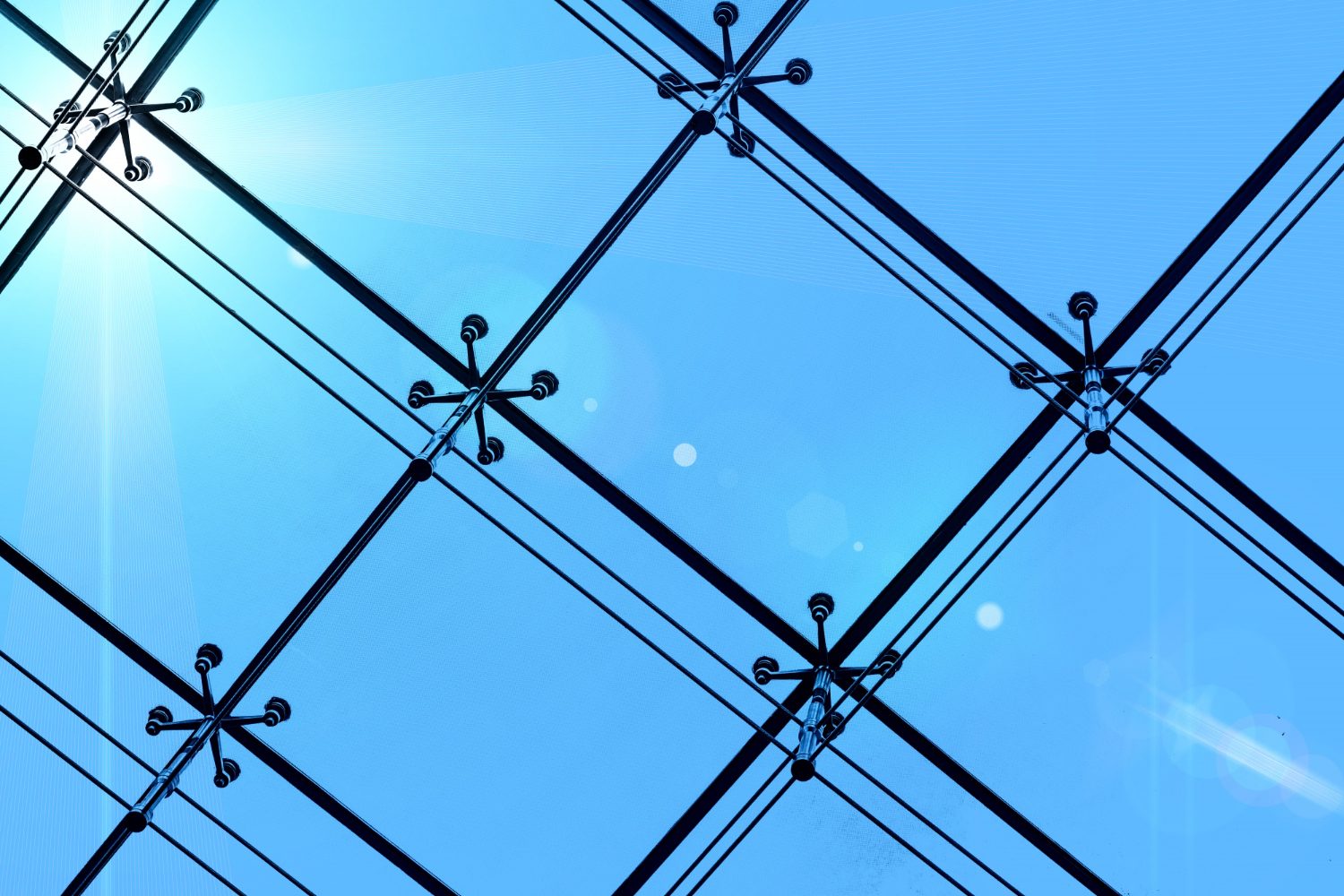
The right glass for building applications depends on location, safety, and energy performance targets.
| Application | Recommended Glass | Why |
|---|---|---|
| Windows (ground floor, residential) | Toughened 5-6 mm | Adequate strength, cost-effective |
| Windows (upper floors, fall risk) | Laminated or toughened laminated | Post-breakage barrier prevents fall-through |
| Curtain walls and facades | Heat-strengthened (HS) + double glazed (DGU) | Optical flatness, wind load resistance, and the thermal performance of a sealed unit |
| Skylights and overhead glazing | Toughened + heat soak + laminated | Toughened manages impact loads, laminated retains the glass in the frame after breakage, and heat soak reduces the risk of spontaneous breakage |
| Balustrades and railings | Toughened laminated (12 mm+) | Impact strength plus fall-through resistance |
| Shower enclosures | Toughened 8-10 mm | Strength and safety breakage pattern |
| Glass partitions | Toughened 10-12 mm | Impact resistance for interior use |
| Facades in ECBC-compliant buildings | DGU with Low-E or solar control glass | Meets U-value and SHGC requirements |
| Noise-sensitive locations | Laminated glass or laminated DGU | PVB interlayer dampens sound (STC 35 to 40+). |
Indian Standards and Compliance Requirements
When specifying glass for building projects in India, architects and builders must comply with these standards.
- IS 2553 (Part 1): 2018 covers safety glass (toughened and laminated) for architectural, building, and general uses. BIS/ISI certification has been mandatory for all safety glass since 1 April 2023 under the Safety Glass (Quality Control) Order.
- IS 16231 (Parts 1 to 4): 2019 is the code of practice for the use of glass in buildings. Part 1 covers general selection methodology. Part 4 classifies four human impact risk categories by sill height and fall risk, each requiring safety glass per IS 2553.
- IS 16982:2018 specifies heat-strengthened glass, which is distinct from toughened glass and carries a lower spontaneous breakage risk.
- NBC 2016 (Part 6, Section 8) covers glass and glazing requirements for buildings, including safety glass in human impact zones.
Glass Selection for Green Buildings: ECBC, IGBC, and GRIHA

For commercial buildings with a connected load of 100 kW or above, ECBC 2017 prescribes minimum glass performance values. In composite climates (Delhi, Bangalore, Hyderabad):
| Parameter | Requirement |
|---|---|
| SHGC (Solar Heat Gain Coefficient) | 0.27 or lower (lower means less solar heat enters) |
| U-factor (thermal transmittance) | 3.0 W/sq m.K or lower (lower means better insulation) |
| VLT (Visible Light Transmittance) | 0.27 or higher (higher means more natural light) |
Single glazing cannot meet these requirements. Architects must specify DGU with Low-E or solar control coatings to achieve compliant SHGC and U-values. For west-facing facades in hot climates, combining Low-E with solar control coatings in a DGU addresses both U-factor and SHGC simultaneously. Silver and double silver soft coated Low-E glass offers the best balance of high light transmission and low solar heat gain for meeting these targets.
For IGBC and GRIHA-rated projects, selecting the right building glass types directly affects credits under energy efficiency and daylighting categories.
Why Choose Karnataka Metal Company for Building Glass?
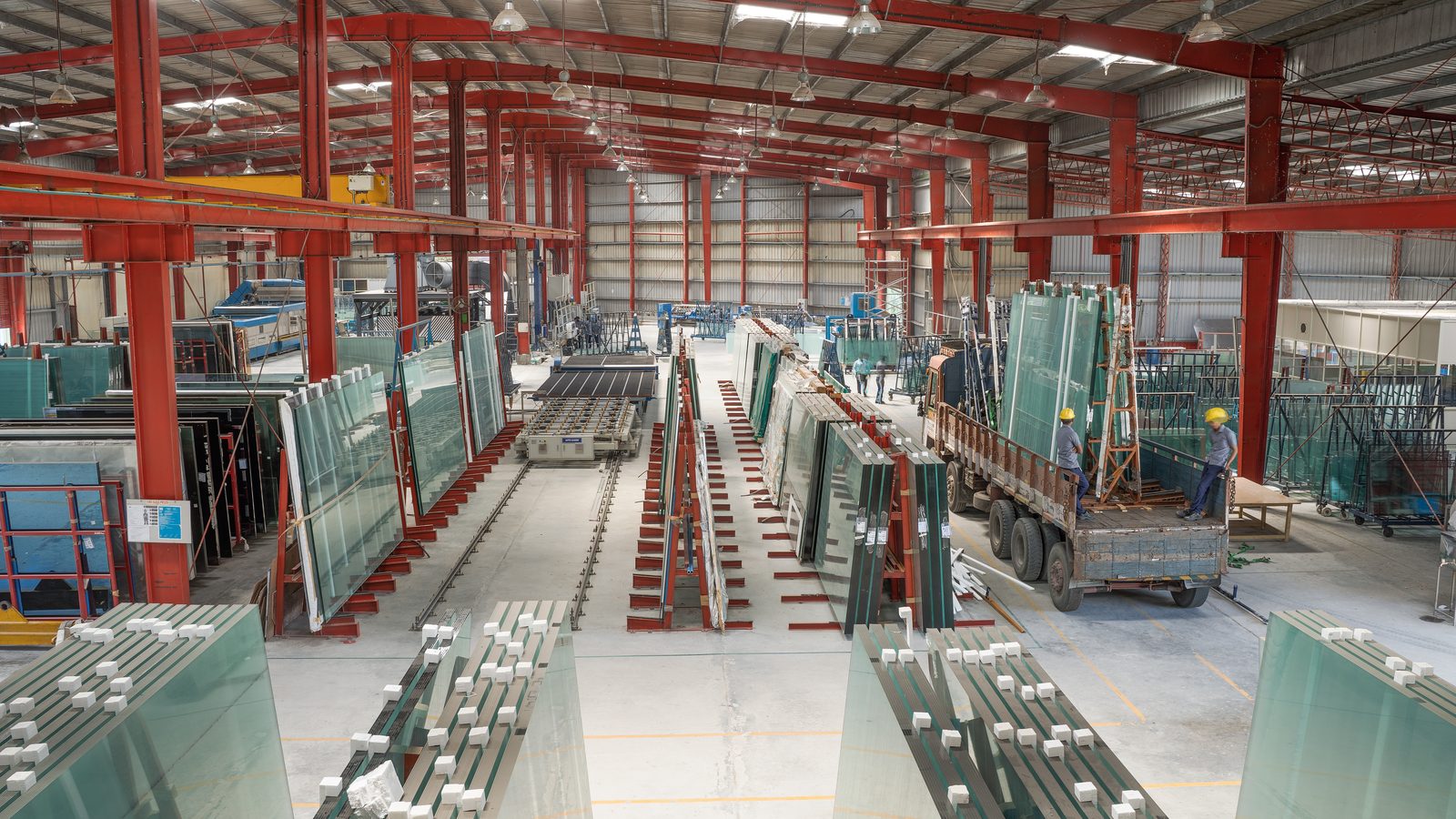
As one of South India’s established integrated glass and aluminium companies, Karnataka Metal Company supports facade and glazing projects with reliable supply, processing capability, and execution flexibility.
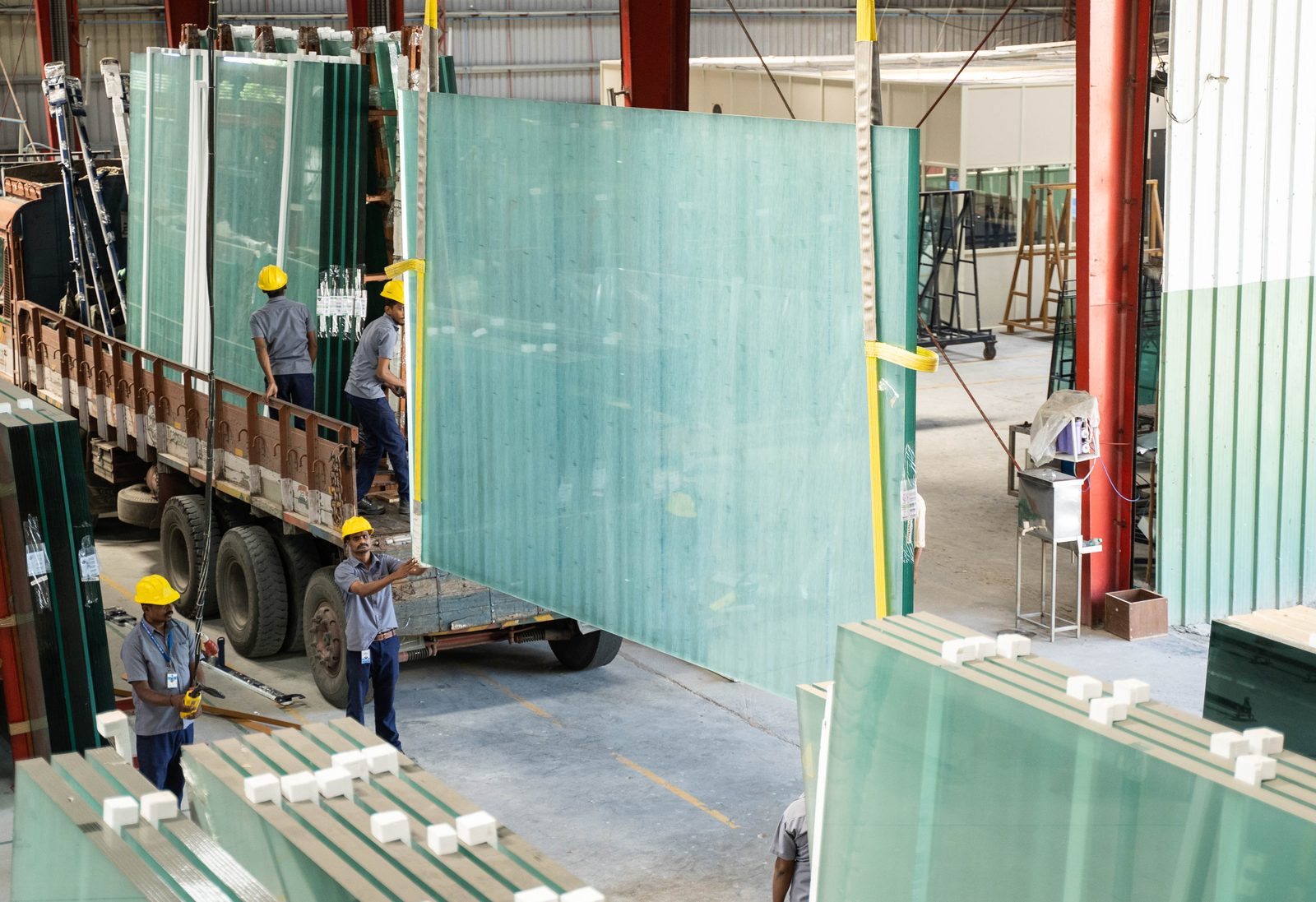
Our 50,000 sq ft processing facility in Bangalore handles toughened glass, double-glazed units, including Double Silver Low-E glass for facade applications. We offer laminated glass through quality-tested service providers. We process all types of reflective glass and deliver one of the flattest glasses in the industry with controlled distortion (roller wave, edge lift, and overall bow) — a critical advantage for lamination quality, where glass flatness directly reduces the risk of bubbles and delamination in the finished product.
We support a wide range of applications, including facade glazing, windows, partitions, and skylights, with the ability to handle both project-scale and smaller, custom requirements.
- ISO 9001:2015 and BIS/ISI certified facility
- Large size processing up to 2800 × 5000 mm and DGUs up to 64 mm
- Strong inventory and sourcing network enabling faster turnaround and reliable supply for both large projects and smaller orders
- In-house testing aligned with IS and EN standards
As an integrated supplier, we provide glass, aluminium profiles, and machining services under one roof from Bangalore, enabling better coordination between glazing and framing systems.
Get in Touch
Contact us for glass selection guidance and competitive pricing.
- Phone: +91 80 2670 9928
- Email: sales@karnatakametal.com
- Visit us: 16 & 17, A.M Road, Kalasipalya Extension, Bangalore 560002
Get in touch for a consultation and quote.