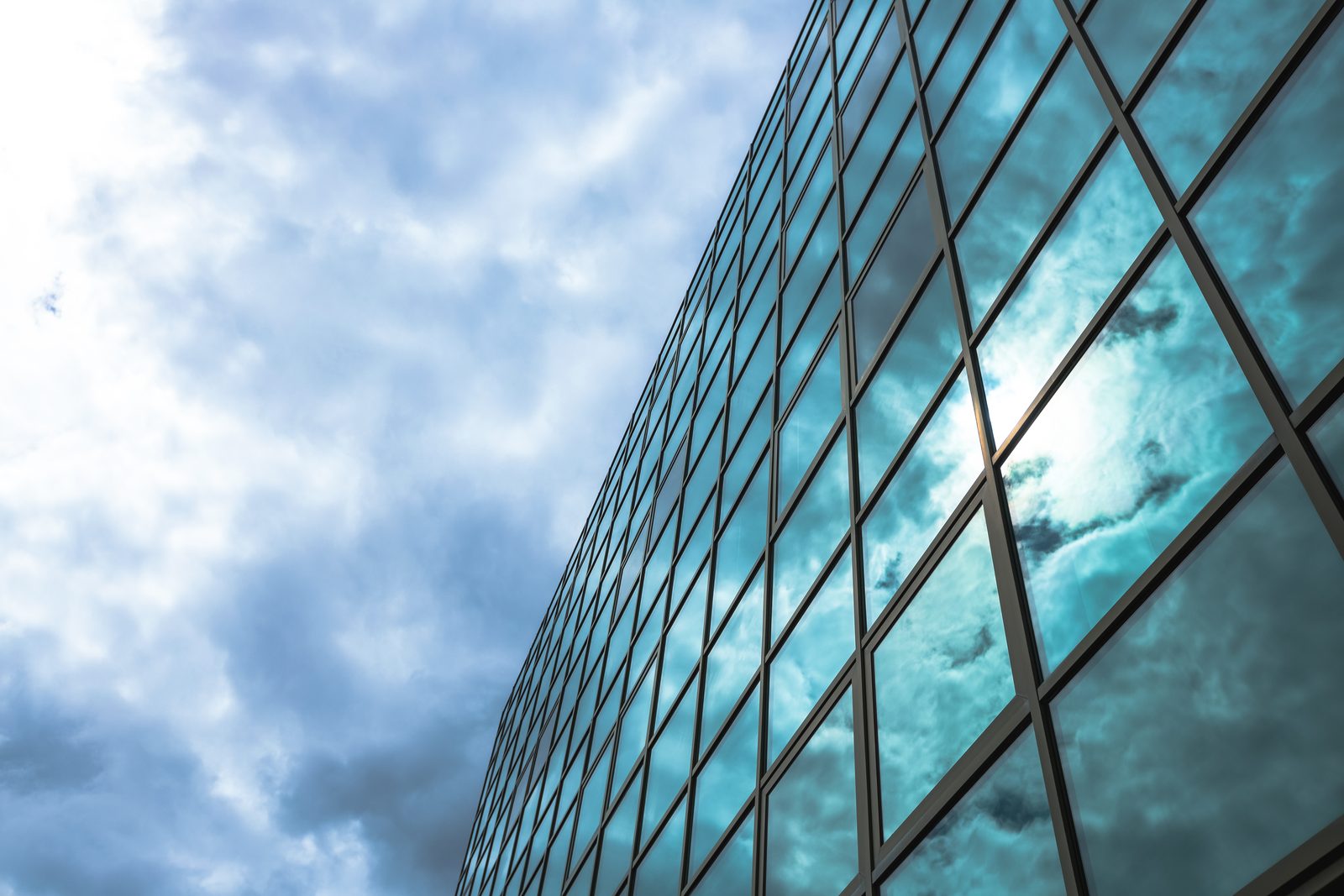
A glass tower in Bangalore's summer heat, an IT park in Hyderabad with a curtain wall that runs for blocks, a hotel on Kochi's waterfront where the cooling load has to be held down all year round. Behind every one of these facades sits a Low-E coating, almost always sealed inside a double glazed glass unit and often paired with a laminated glass outer pane for safety and acoustic performance.
One of the less obvious decisions in the glass schedule is whether that coating is soft coat or hard coat. Both are widely available in India and both carry the Low-E label on the data sheet, but they are made by different processes, perform differently on thermal numbers, and need different handling on-site. Choosing the wrong one can compromise thermal performance, inflate cooling loads, and push up lifecycle cost.
This guide explains how each coating is made, how they compare on energy performance and durability, and when to specify each for Indian facades.
What Is Coated Glass?
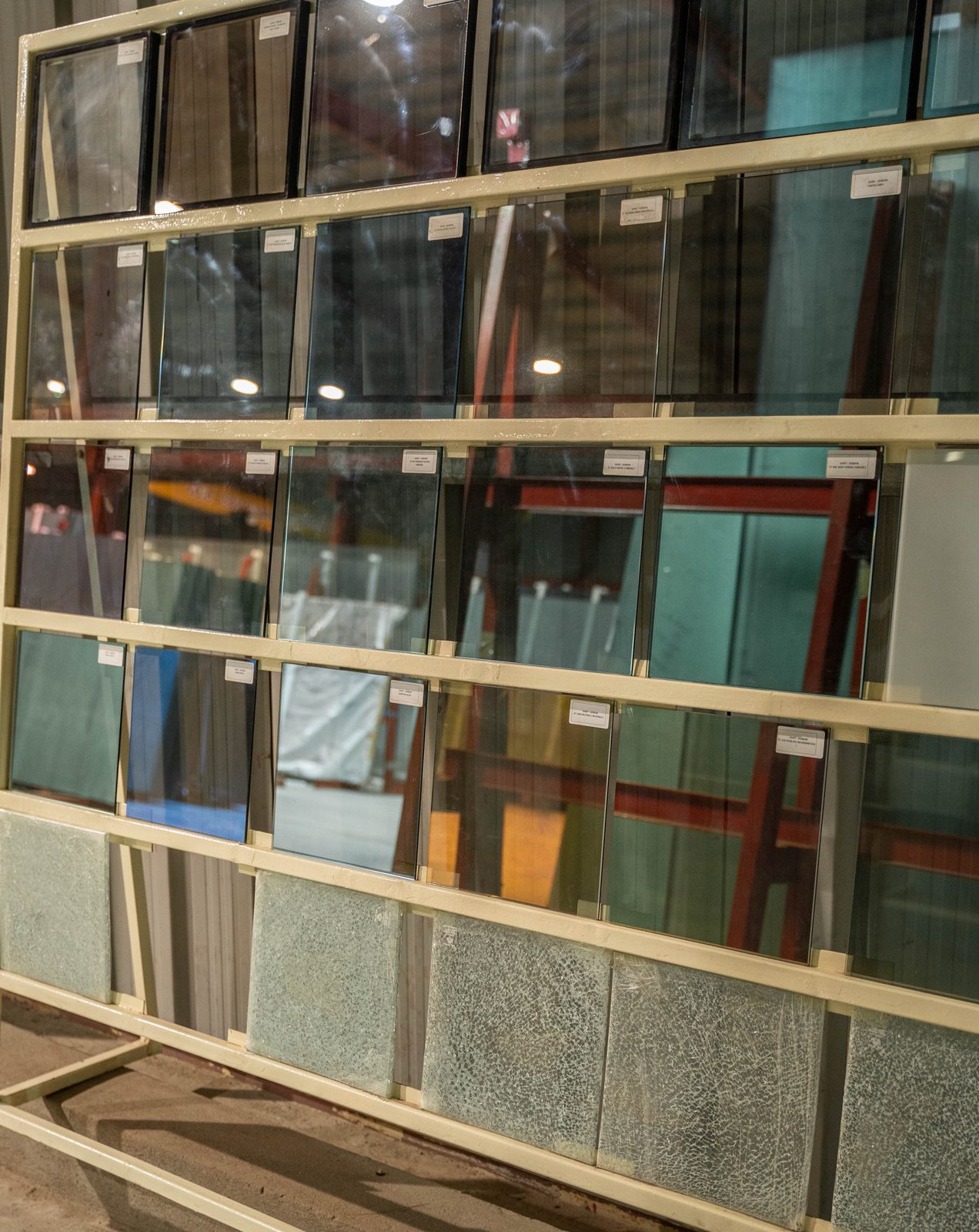
Coated glass is architectural glass with a thin layer of metals or metal oxides that controls the transmission of light and heat. Its performance is defined not just by the type of coating, but by three key parameters:
Solar Factor (SHGC)
How much solar heat enters the building. Lower SHGC means less heat gets in, so lower is better. In India, this is the most important number because most of the heat comes in through radiation from the sun.
U-Value
How much heat moves between inside and outside when there is a temperature difference. Lower U-value means better insulation, so lower is better. This matters more in places with a big temperature gap between inside and outside, and is less relevant in temperate climates like Bangalore for most of the year.
Visible Light Transmission (VLT)
How much daylight comes through the glass. Higher VLT means more natural light indoors, so higher is better.
The best coated glasses are silver and double silver Low-E, which let in plenty of light while keeping out most of the solar heat. Soft coats give a better balance between letting light in and keeping heat out. Hard coats can keep out the same amount of heat, but you get less light coming through, or the other way around.
Low-E, solar control, and reflective glass all do similar things and are selected based on how they balance these three numbers. Low-E glass typically offers good solar control along with better insulation. This guide focuses on soft coated and hard coated Low-E glass.
How Soft Coated Low-E Glass Is Made
MSVD · DGU only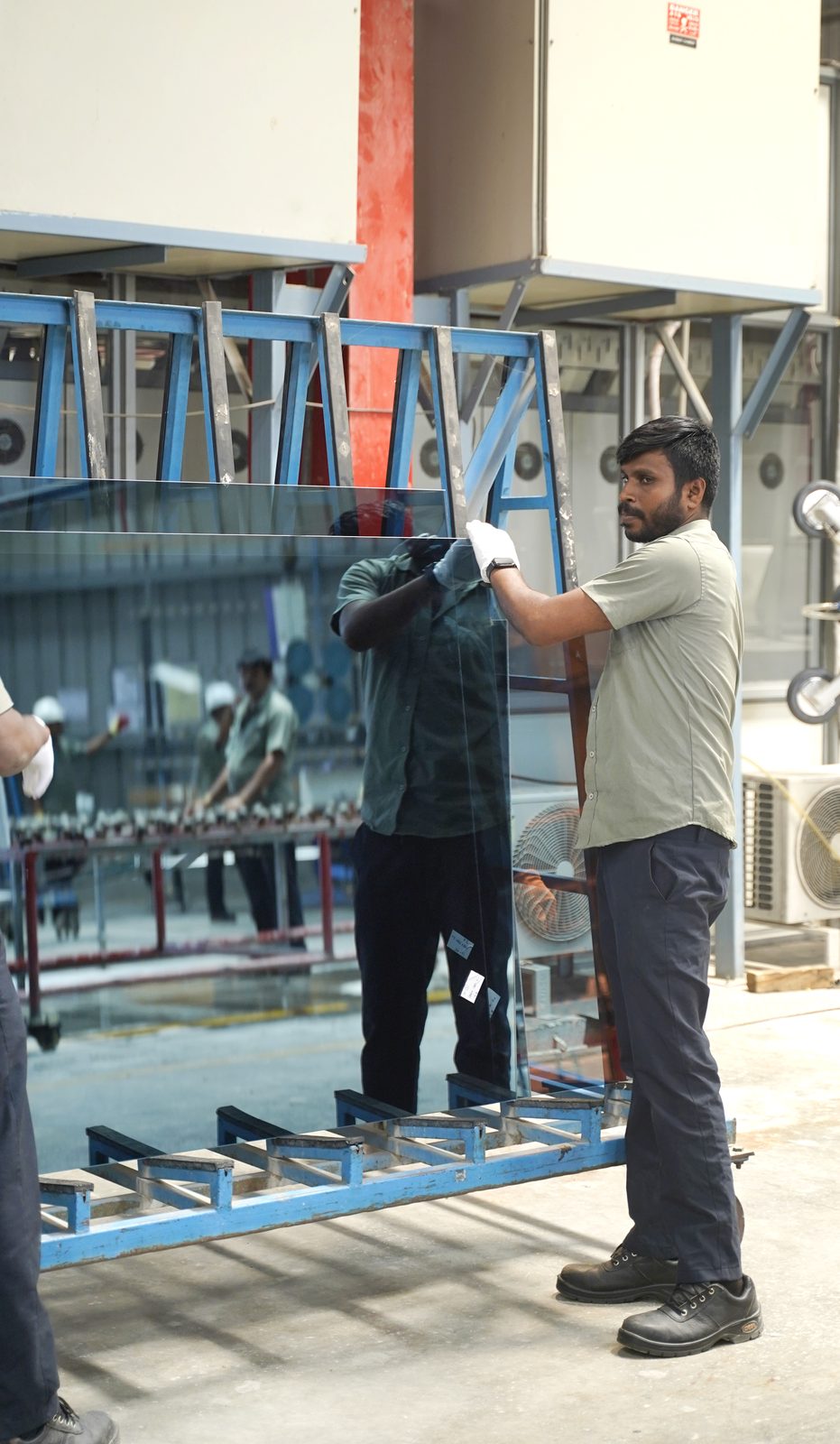
Soft coated Low-E glass is produced by magnetron sputter vacuum deposition (MSVD). After the glass leaves the float line, panes are washed and loaded into a sealed vacuum chamber where an argon plasma ionises metallic targets such as silver, zinc, tin, or titanium. Multiple nanometre-thin layers, including protective dielectric oxides, are deposited in sequence to build a precisely engineered Low-E stack.
The finished coating is often under 100 nm thick and can deliver very low emissivity, low solar heat gain, and high visible light transmittance in the same product.
The "soft" label refers to durability. The layers are fragile and degrade on exposure to handling, moisture, or air, so soft coated Low-E glass must always be sealed inside a double glazed glass unit with the coating facing the cavity.
How Hard Coated Low-E Glass Is Made
Pyrolytic CVD · single glazing OK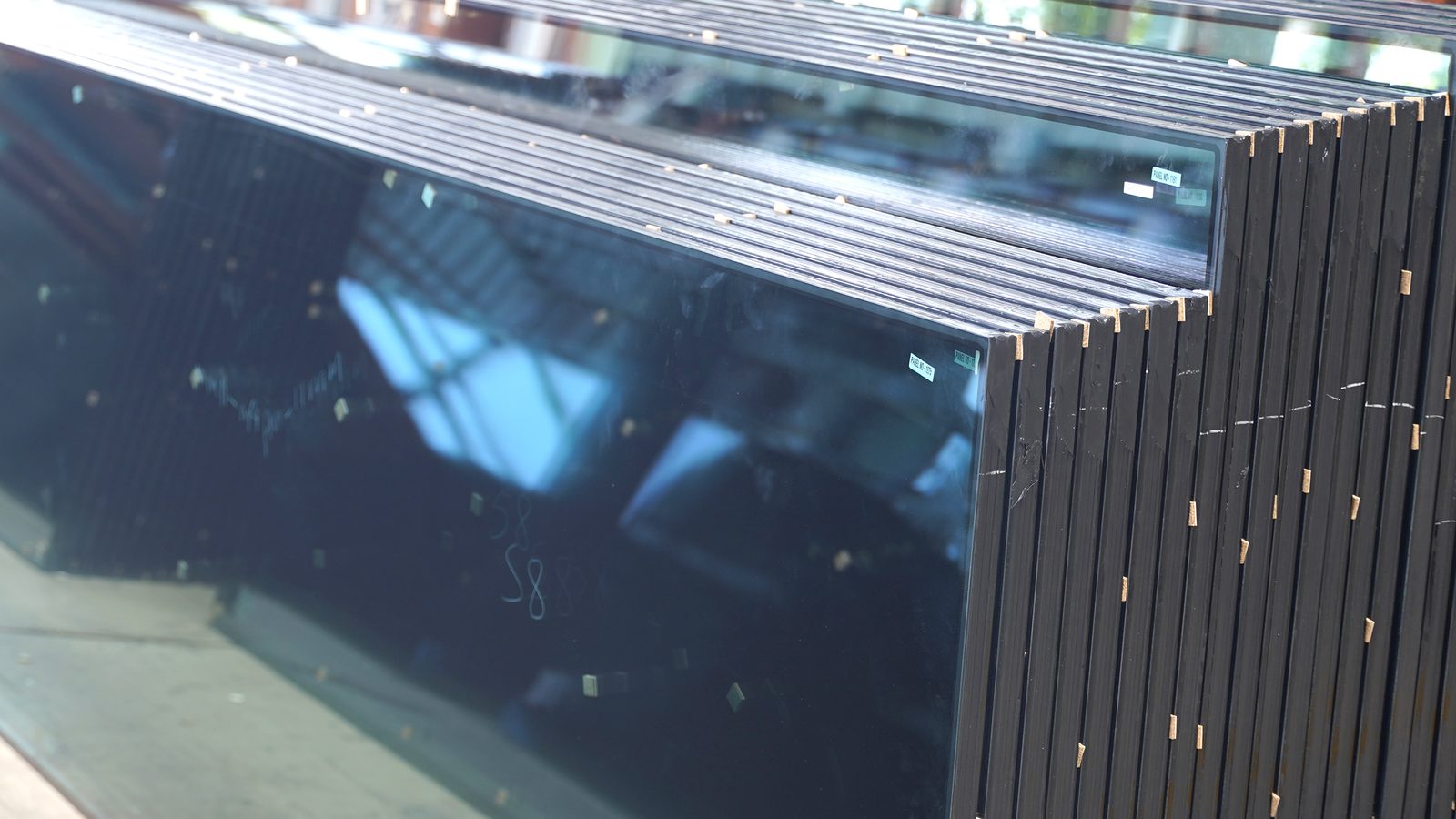
Hard coated Low-E glass is produced by pyrolytic chemical vapour deposition (CVD) directly on the float line. Metallic precursor gases are sprayed onto the glass surface at around 600°C, and the heat drives a chemical reaction that fuses the metal oxide coating into the surface at a molecular level.
The coating becomes part of the glass. It resists scratching, chemical attack, moisture, and abrasion, and can be handled, washed, tempered, bent, and laminated without special precautions. Unlike soft coated Low-E, hard coated Low-E glass can also be used as a single-glazed pane.
Soft Coated vs Hard Coated Low-E Glass: Side-by-Side Comparison
| Property | Soft Coated Low-E Glass | Hard Coated Low-E Glass |
|---|---|---|
| Manufacturing process | MSVD (sputtered after float line) | Pyrolytic CVD (applied on float line) |
| Coating durability | Fragile: requires careful handling | Hard: scratch and abrasion-resistant |
| Thermal performance (emissivity) | Very low (typically 0.02 to 0.10) | Moderate (typically 0.15 to 0.25) |
| Solar heat gain control | Excellent: wide range of SHGC options | Good, but fewer low-SHGC options |
| Visible light transmittance | Excellent: high VLT with low SHGC achievable | Good, but fewer high-VLT options |
| Number of coating layers | Multi-layer (up to 10 or more) | Single or few layers |
| Silver content | Often includes one, two, or three silver layers | No silver: different metal oxides |
| Use as single glazing | Not suitable: must be used in a DGU | Suitable: can be used as single glazing |
| Compatibility with tempering | Mostly heat strengthened (HS), not toughened (FT) for better flatness parameters | Fully temperable and bendable |
| Edge deletion before sealing | Required in DGU assembly | Not required |
| Storage and shelf life | Limited: coating degrades if exposed to humidity | Indefinite: behaves like ordinary glass |
| Cost | Higher | Lower |
Soft coated Low-E glass has a limited shelf life and is typically sourced to order for specific projects. Hard coated glass is generally available in stock with us and can be supplied for both project and retail requirements.
Thermal and Energy Performance of Low-E Glass
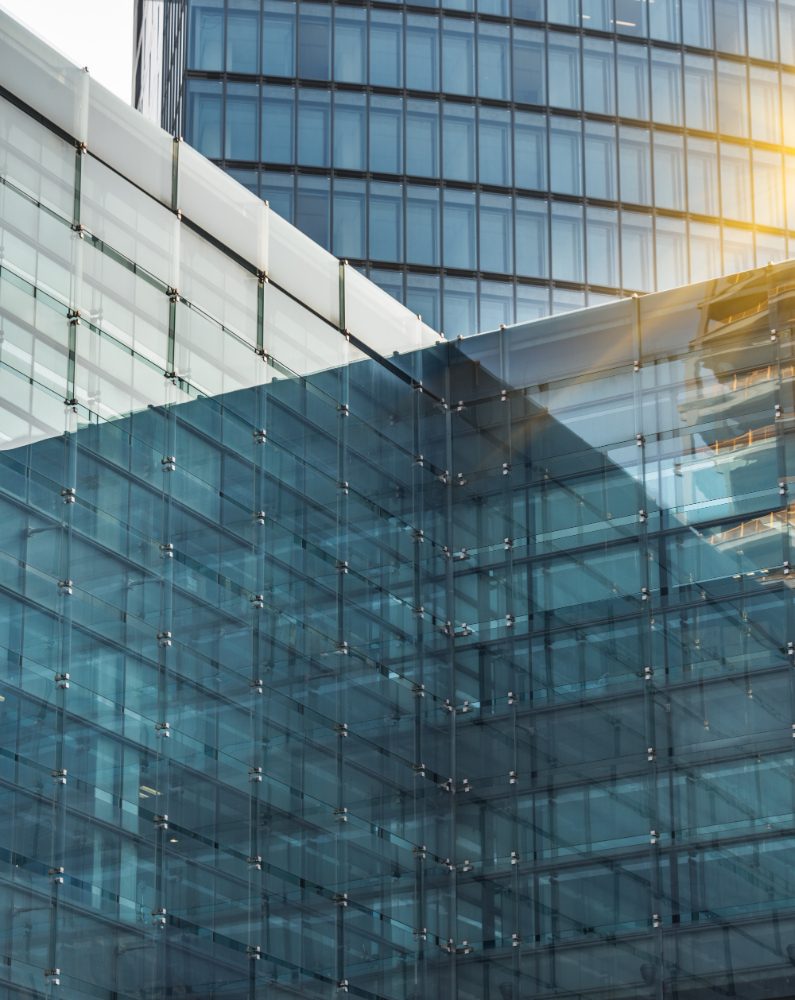
Both coatings reduce heat transfer, but the performance gap is significant. The numbers below are emissivity values, the fraction of radiant heat the glass surface re-emits; lower is better:
Soft coats routinely achieve emissivity values as low as 0.02 to 0.04, close to the theoretical limit. In a double silver or triple silver DGU, this means very low U-values, very low SHGC, and high VLT. That combination gives a high Light to Solar Gain (LSG) ratio, which is what defines premium facade glass in ECBC-compliant buildings.
Hard coats typically achieve emissivity values of 0.15 to 0.25. That is a major step up from uncoated float glass (emissivity 0.84) but does not reach soft-coat performance. Hard coated glass is chosen when durability matters more than absolute thermal performance, or when the project uses single glazing.
Where to Use Soft Coated Low-E Glass
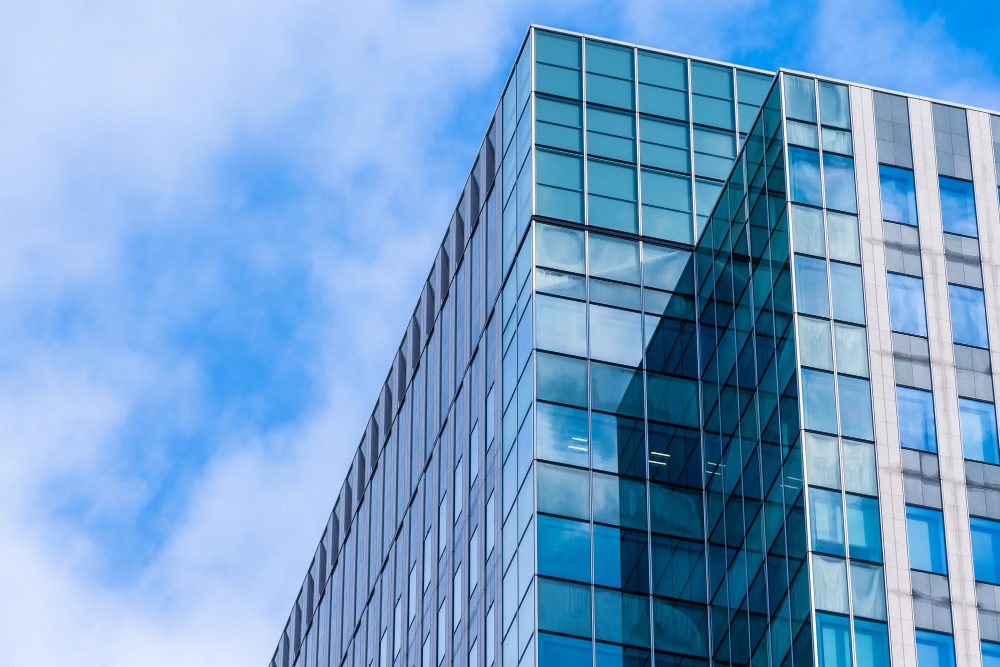
Soft coated Low-E glass is the right choice when maximum energy efficiency is the priority and the project can accommodate a sealed double glazed glass unit.
Typical applications:
- Commercial facades in ECBC-compliant buildings where U-factor and SHGC targets cannot be met with hard coats
- IT parks and office towers in hot climates, where cooling loads drive operational cost
- High-end residential towers where thermal comfort and energy bills matter to end users
- Hospitals, hotels, airports, and mixed-use developments with large glazed envelopes
Specification rules of thumb:
- Always use inside a sealed DGU; face the coating toward the cavity (surface #2 in warm climates)
- Pair with a laminated glass outer pane where safety, security, or acoustic performance also matters
- Specify edge deletion before sealing to protect the secondary seal
- Confirm whether the product is tempered after coating
Where to Use Hard Coated Low-E Glass
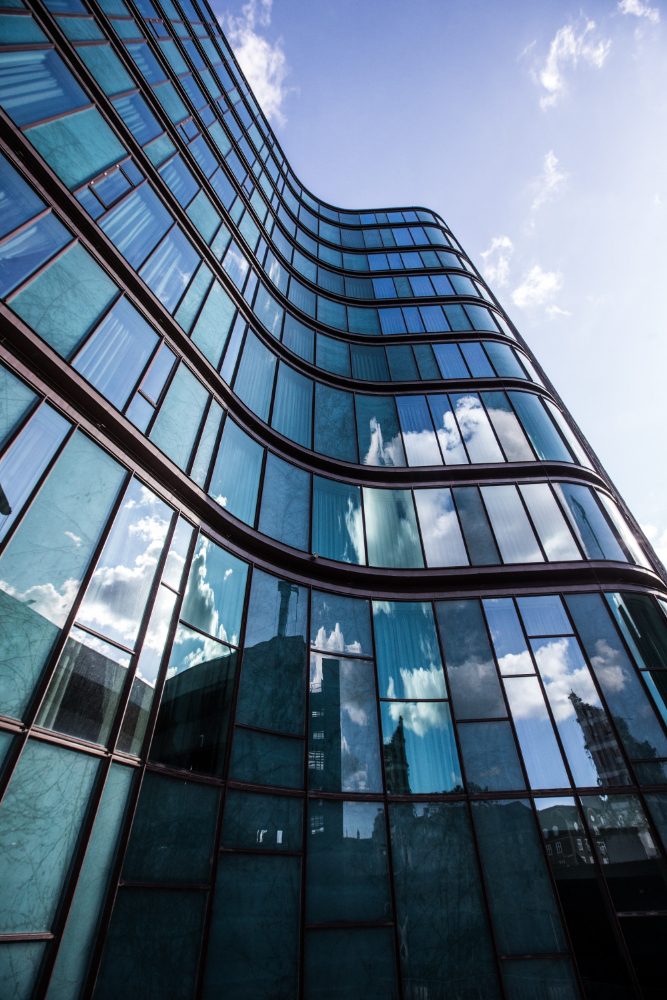
Hard coated Low-E glass is the right choice when the project needs a durable, single-glazed solution, or when budget or handling conditions rule out sealed DGUs.
Typical applications:
- Single-glazed windows in moderate climates or renovation projects
- Shop fronts and retail glazing that need frequent cleaning and handling
- Low-rise residential projects that do not justify a sealed DGU
Hard coats can also be paired with a laminated glass outer pane where impact safety matters, and are fully compatible with tempering, lamination, and bending without special handling.
How to Choose: Soft Coat or Hard Coat Low-E Glass?
Three questions usually settle the decision.
- Does the project use sealed DGUs? If the specification calls for double glazed glass (as most ECBC-compliant commercial projects do), soft coated Low-E is almost always the right choice. If the project uses single glazing, hard coated Low-E is the only viable option.
- What are the energy performance targets? Soft coated double silver or triple silver Low-E in a DGU is the most reliable way to meet aggressive SHGC and U-factor targets in hot Indian climates. Hard coats meet moderate targets but rarely the aggressive ones.
- What is the project size or scale? Soft coated glass is made to order and large MOQs apply, so smaller projects often cannot source it. The coating is environment-sensitive and has an expiry date, so manufacturers and processors do not keep stock; even a replacement pane after breakage waits until its manufacturing can be clubbed with another project order. Hard coated glass is available from stock and suits smaller requirements.
For a broader view of glazing selection across safety, acoustic, and thermal requirements, read our guide on how to choose the right glass for your building project.
Processing Coated Glass: Tempering, Laminating, and DGU Assembly
Both coatings can be processed into other products, but with different constraints.
Soft coated Low-E glass
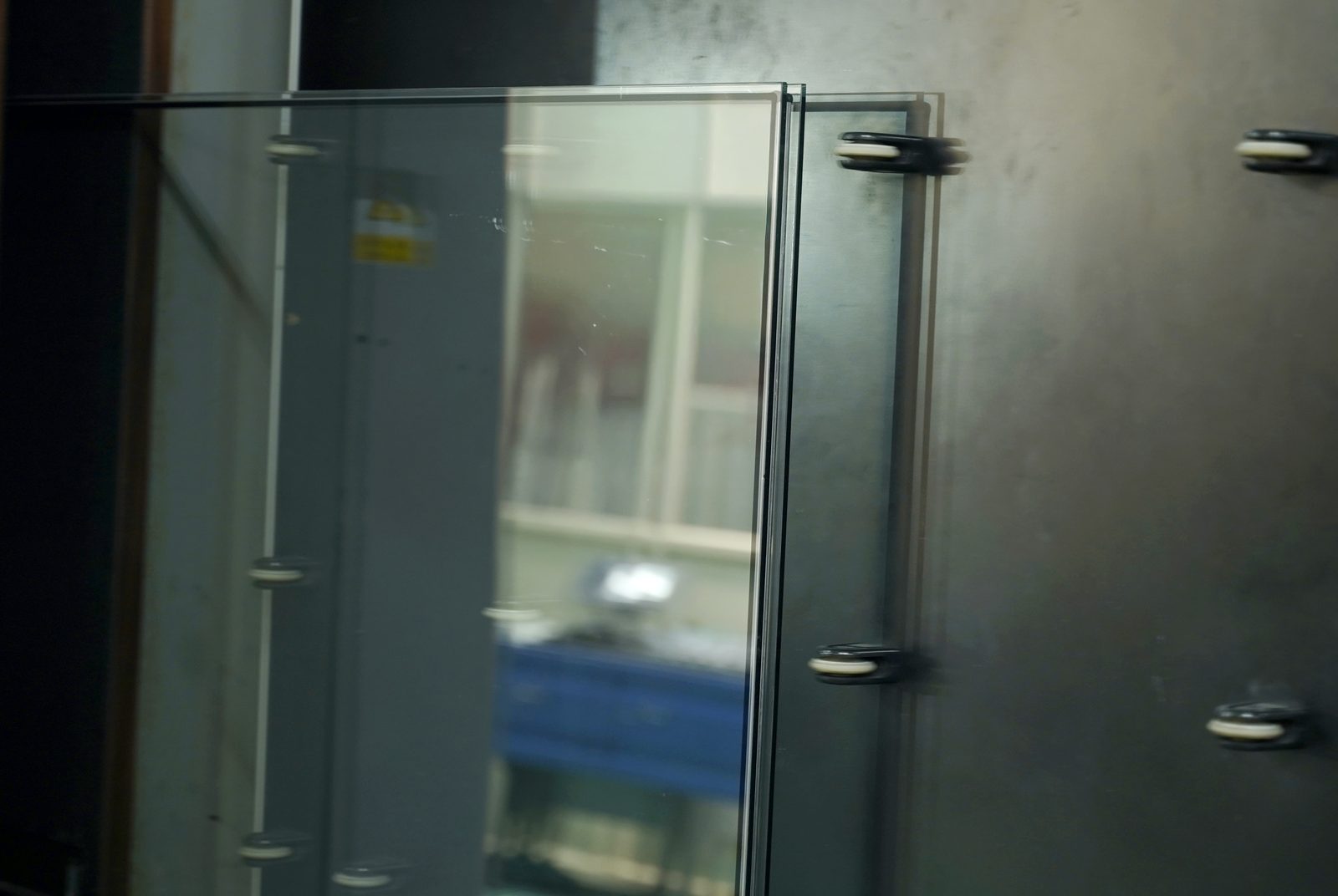
In India, all soft coats are heat treated after coating, and they are mostly heat strengthened (HS) rather than fully toughened (FT) for better flatness parameters. Laminating is possible with the coated surface facing the cavity or the PVB interlayer. Edge deletion before sealing is required to protect the secondary seal.
Hard coated Low-E glass
Fully compatible with tempering, bending, and laminating without special handling. In DGUs it does not need edge deletion but is usually specified on surface #2 for best thermal performance.
For noise-sensitive facades that combine Low-E with acoustic laminated panes, see our guide on acoustic glass and soundproof glass.
Indian Standards and Compliance for Coated Glass
Key references when specifying coated glass in India:
- IS 2553 (Part 1): 2018 covers safety glass, including tempered coated glass in human impact zones. BIS/ISI certification is mandatory under the Safety Glass (Quality Control) Order.
- IS 16231 (Parts 1 to 4): 2019 is the code of practice for the use of glass in buildings.
- NBC 2016 (Part 6, Section 8) covers glass and glazing requirements.
- ECBC 2017 governs building envelope performance for commercial buildings, placing limits on SHGC, U-factor, and VLT.
For IGBC and GRIHA rated projects, soft coated Low-E glass is often essential to achieving energy efficiency credits.
Why Choose Karnataka Metal Company for Coated Glass?
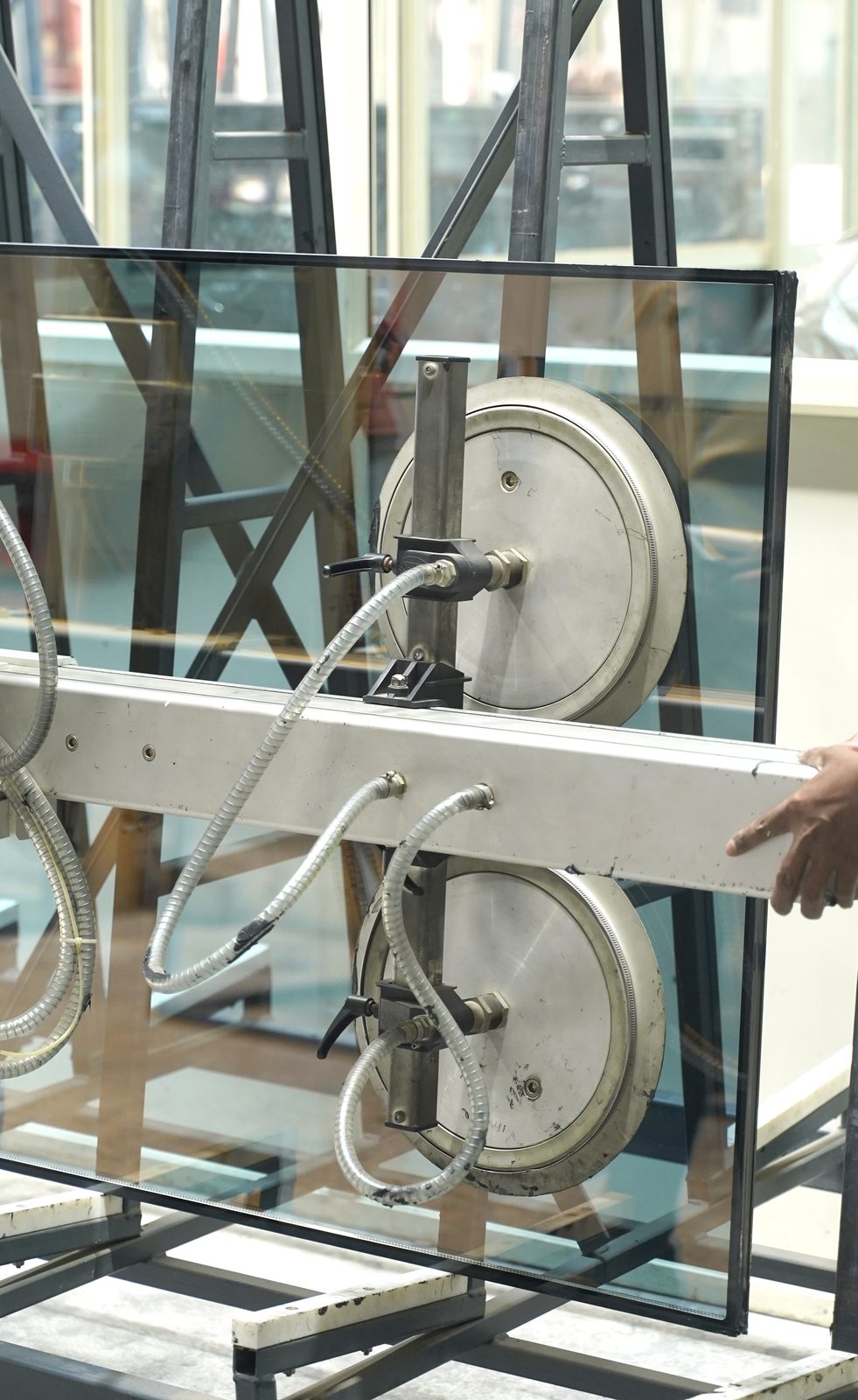
As one of South India's established integrated glass and aluminium companies, Karnataka Metal Company supports ECBC-compliant commercial facades with the processing discipline that coated glass demands. Soft coated Low-E is unforgiving: the coating must be handled in climate-controlled conditions, edge-deleted before sealing, and assembled into DGUs without contamination. Hard coated Low-E is more robust but still needs precise tempering and cutting to preserve optical clarity and colour uniformity across large facade panels.
Our 50,000 sq ft glass processing facility in Bangalore processes soft coated and hard coated Low-E, including Double Silver Low-E, alongside reflective, solar control, and tinted coatings for facade projects. The plant is equipped with best-in-class machinery, from Italian CNC cutting and edge-processing lines to automated double glazed glass assembly, delivering one of the flattest glass outputs in the industry with tight control over roller wave, edge lift, and overall bow. That is a critical factor for reflective and Low-E facades where distortion shows up instantly.
We also support smaller batch requirements through our retail outlet, extending the same processing precision to custom orders, unlike larger plants that mainly cater to project-scale work.
For projects requiring additional safety or acoustic performance, our laminated glass line integrates coated glass with PVB, acoustic PVB, or SGP interlayers to create high-performance facade units from a single supplier.
- ISO 9001:2015 & ISO 14001:2015 and BIS/ISI certified facility, compliant with IS 2553 (Part 1): 2018 for tempered and laminated safety glass
- Full coated glass range: soft coated and hard coated Low-E, Double Silver Low-E, reflective, solar control, and tinted glass for ECBC-compliant facades
- Low-E compatible tempering and heat strengthening on coated substrates, preserving optical properties through the heat treatment cycle
- Heat soak furnace capability to reduce NiS-related breakage risk on toughened Low-E facade panels
- Large-size processing: toughened and heat-strengthened up to 2800 × 5000 mm, laminated up to 2400 × 5000 mm, and DGUs up to 64 mm thickness
- Automated DGU assembly line with argon fill capability and precise edge deletion for soft coated products
- In-house testing to IS and EN standards, with dimensional, flatness, and edge-quality checks on every batch
- Strong inventory and sourcing network for reliable supply on both large facade packages and smaller custom orders.
As an integrated supplier, we also provide aluminium profiles and machining services from the same Bangalore outlet, so coated glass, facade framing, and machining are coordinated together. That reduces the cross-supplier risk that typically drives delays on ECBC-critical facade projects.
Get in Touch
Contact us for coated glass selection guidance and competitive pricing.
- Phone: +91 80 2670 9928
- Email: sales@karnatakametal.com
- Visit us: 16 & 17, A.M Road, Kalasipalya Extension, Bangalore 560002
Get in touch for a consultation and quote.