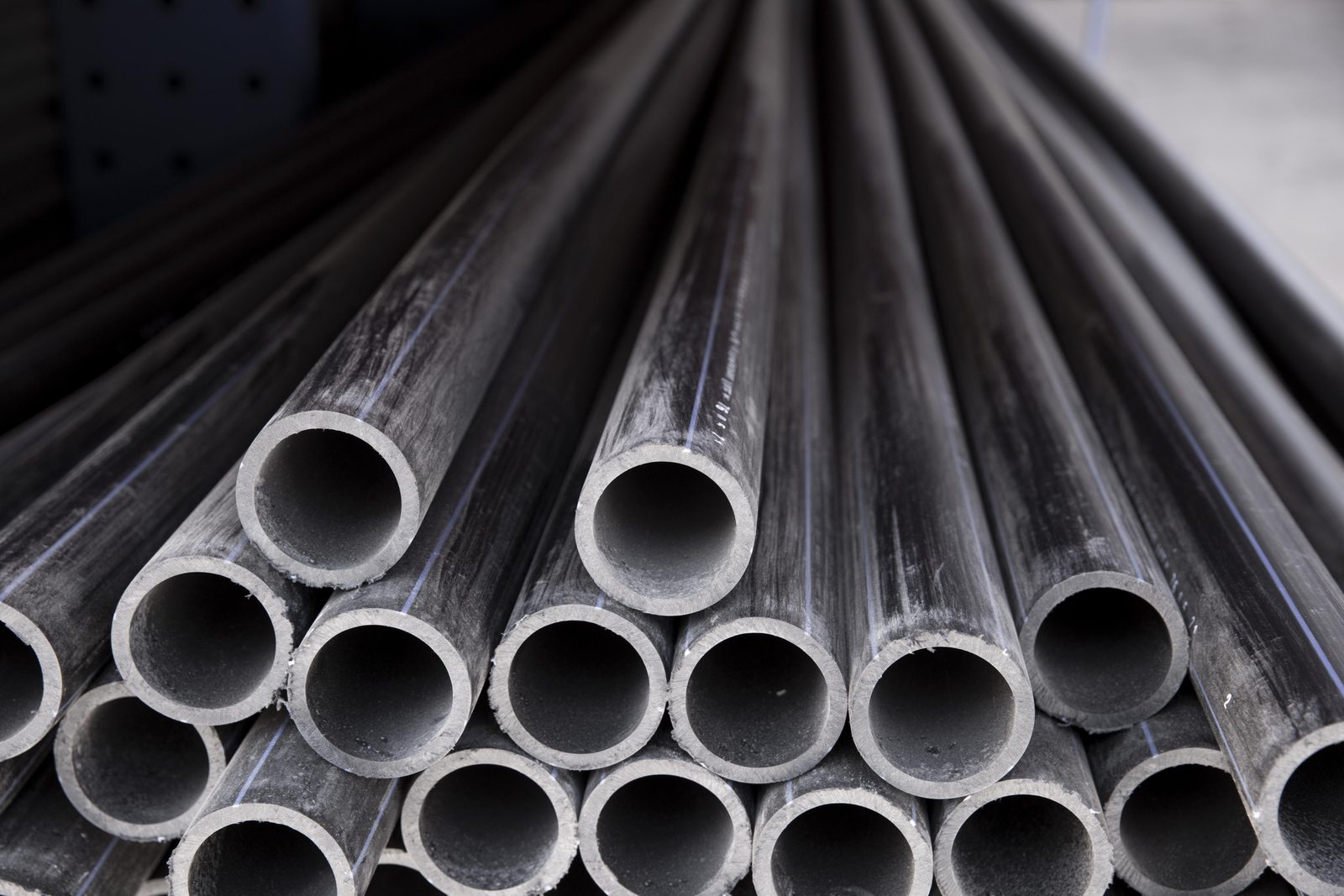
A fabricator receives a specification calling for "6063-T5 aluminium profiles” for a curtain wall, while the structural engineer on the same site demands "6061-T6 sections" for the mezzanine framing. Both are 6000-series alloys, both contain magnesium and silicon, and both are extrudable. So why does the choice between 6063 vs 6061 matter?
For fabricators, architects, engineers, and procurement professionals working with aluminium extrusions, selecting the wrong alloy can mean insufficient strength, poor surface finish, or unnecessary cost. This guide breaks down the key differences to help you specify with confidence.
What Makes 6063 and 6061 Different?
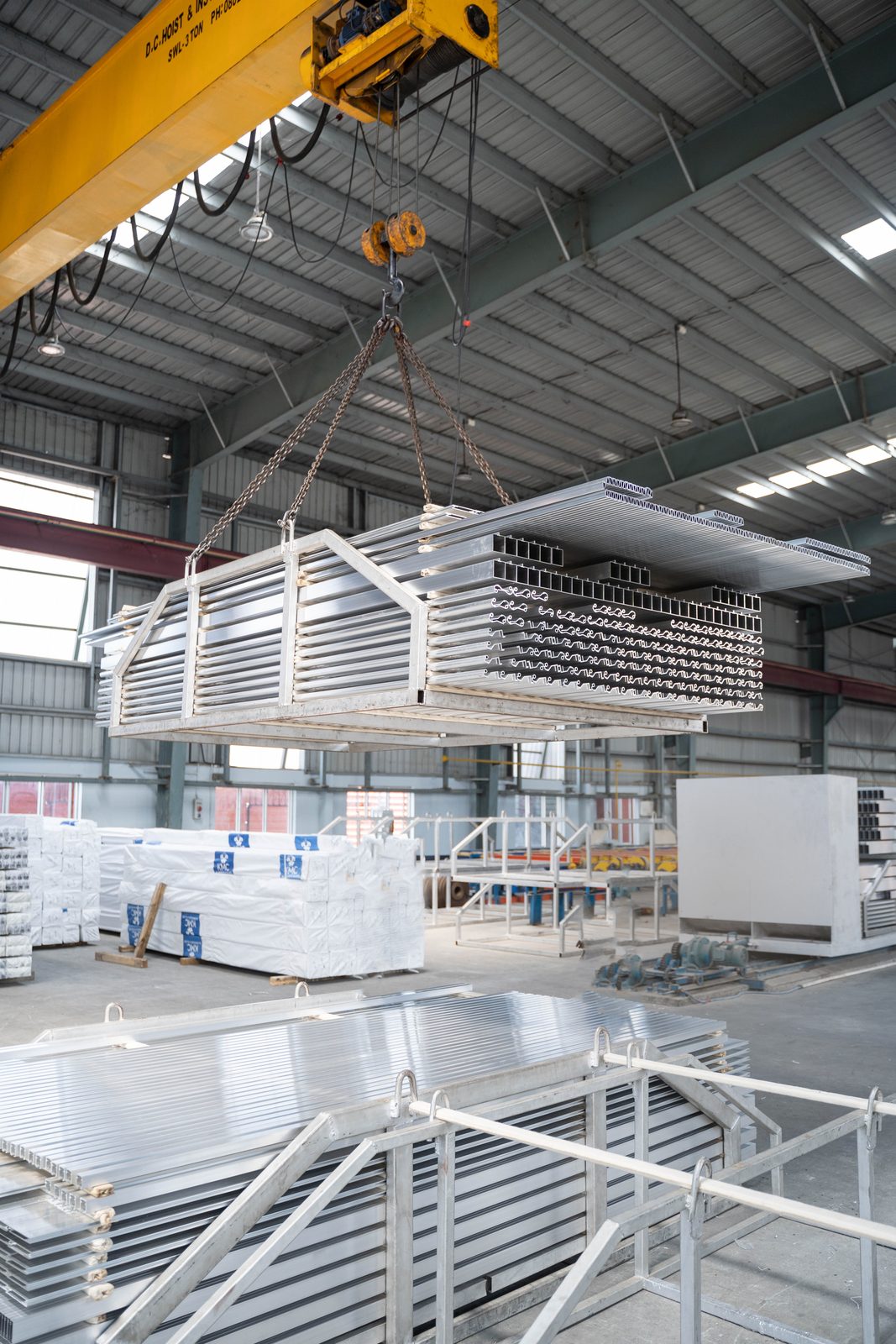
Both alloys belong to the Al-Mg-Si (6000) series, but differ in copper, magnesium, and chromium content. These differences determine strength, extrudability, corrosion resistance, and surface finish quality. In Indian trade, 6063 is also known as HE9 and 6061 as HE20.
6063 vs 6061 Chemical Composition
| Element | 6063 (HE9) | 6061 (HE20) | Why It Matters |
|---|---|---|---|
| Aluminium | ~97.5% | ~96% | Higher in 6063: softer, more extrudable |
| Magnesium | 0.45 to 0.90% | 0.80 to 1.20% | Higher in 6061: greater strength |
| Silicon | 0.20 to 0.60% | 0.40 to 0.80% | Higher in 6061: more Mg2Si precipitates |
| Chromium | 0 to 0.10% | 0.04 to 0.35% | Higher in 6061: adds strength and controls grain structure; considered an impurity in 6063 |
| Iron | 0 to 0.35% | 0 to 0.70% | Higher in 6061; kept low in 6063 for better surface finish. (6061 not used for decorative applications). |
| Copper | Max. 0.1% | 0.15 to 0.4% | Higher in 6061: boosts strength and hardness but reduces corrosion resistance and anodising quality. |
6061 Aluminium Alloy Properties vs 6063
The table below compares commonly specified tempers. Values are typical and are based on ASTM B221M (extrusions). Equivalent designations include 6063 (EN AW-6063 / IS 63400) and 6061 (EN AW-6061 / IS 65032).
Properties may vary across standards.
| Property | 6063-T5 | 6063-T6 | 6061-T6 |
|---|---|---|---|
| Ultimate Tensile Strength (MPa) | 150 | 205 | 260 |
| Yield Strength (MPa) | 110 | 170 | 240 |
| Elongation (%) | 8 | 8 | 8 |
| Brinell Hardness (HB) | 65 | 75 | 95 |
| Shearing Strength (MPa) | 65 | 95 | 145 |
| Elastic Modulus (GPa) | 70 | 69 | 69 |
| Thermal Conductivity (W/m-K) (Approximate values) | 200 | 209 | 154-180 (Depending on chemical composition) |
| Electrical Conductivity (% IACS) (Approximate values) | 50 | 55 | 40-45 |
- Brinell Hardness, Fatigue Strength, Elastic Modulus, and Thermal Conductivity are typical reference values per EN 755-2 and are not specified in ASTM B221M.
- Shearing strength values are as per BS 8118. Values may vary when referenced from other standards.
- Fatigue strength varies with the number of cycles and cannot be represented by a single value.
- Thermal and electrical conductivity values are indicative reference data only. 6063 and 6061 are not classified as electrical-grade alloys, and no governing standard specifies these values.
In T6 temper, 6061 is approximately 27% stronger in tensile strength and 50% stronger in shear strength than 6063. This makes 6061-T6 the standard choice for load-bearing applications, while 6063-T5 serves most architectural uses where strength demands are moderate.
While both alloys have a similar elastic modulus (~69 GPa), 6061’s higher strength allows for lower deflection in practical applications. 6063 offers better extrudability and surface finish, enabling complex, high surface-area profiles, making it well-suited for applications like heat sinks and solar inverter housings.
For a deeper understanding of how temper affects performance, read our guide on T5, T6 and T66 aluminium tempers.
Extrudability and Surface Finish
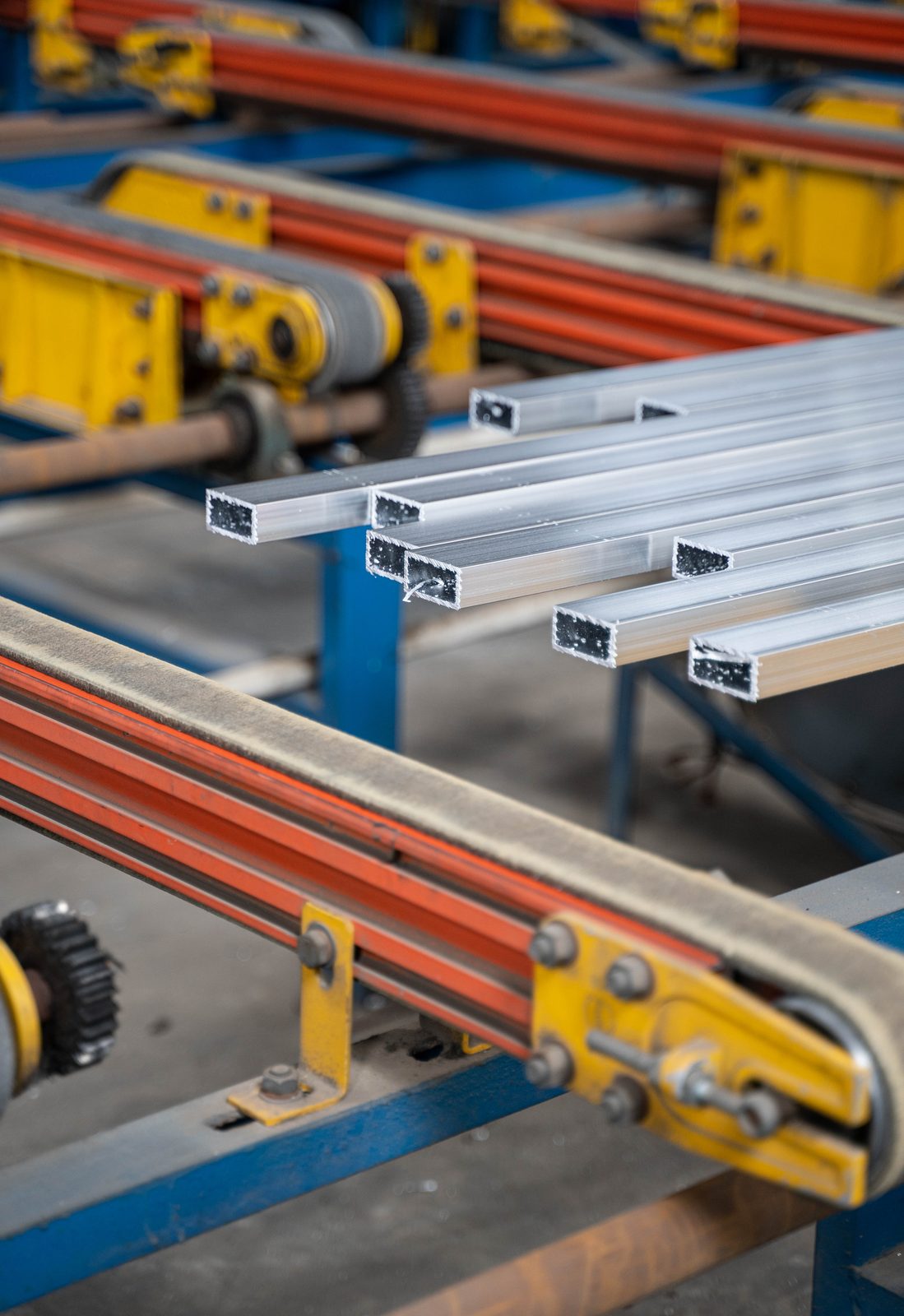
This is where 6063 dominates.
| Factor | 6063 | 6061 |
|---|---|---|
| Extrudability | Excellent: enables highly complex profiles with close twist control, tight dimensional tolerances, and superior surface finish | Good, but severely limits the complexity of profiles compared to 6063 |
| Minimum wall thickness | As low as 0.7 mm | Thicker walls are required |
| Complex profiles | Excellent for intricate, thin-walled shapes | Limited to simpler, heavier sections |
| Anodising response | Clear, bright, uniform finish | May show a grey/milky tone and deeper die lines |
| Die life | Longer | Shorter |
| Machinability | Fair: softer, tends to gum | Good: cleaner chip formation, tighter tolerances |
6063's higher aluminium content and fewer alloying additions make it softer and easier to push through extrusion dies, while its near-zero copper produces a uniform oxide layer during anodising. This is why 6063 is universally called the "architectural alloy."
For details on extrusion manufacturing, read our guide on the aluminium extrusion process.
Corrosion Resistance and Weldability

Corrosion: 6063 has a slight edge due to near-zero copper content. Copper creates micro-galvanic cells that accelerate localised corrosion. In practice, both perform well outdoors, and anodising or powder coating makes the difference negligible in finished products.
Weldability: Both weld well using TIG or MIG. Both 4043 and 5356 filler wires are compatible; 4043 offers better crack prevention, while 5356 provides higher weld strength. Welding reduces strength by 30–40% in the heat-affected zone; 6063 can partially recover through post-weld ageing, while 6061 cannot fully recover.
Common Applications in India
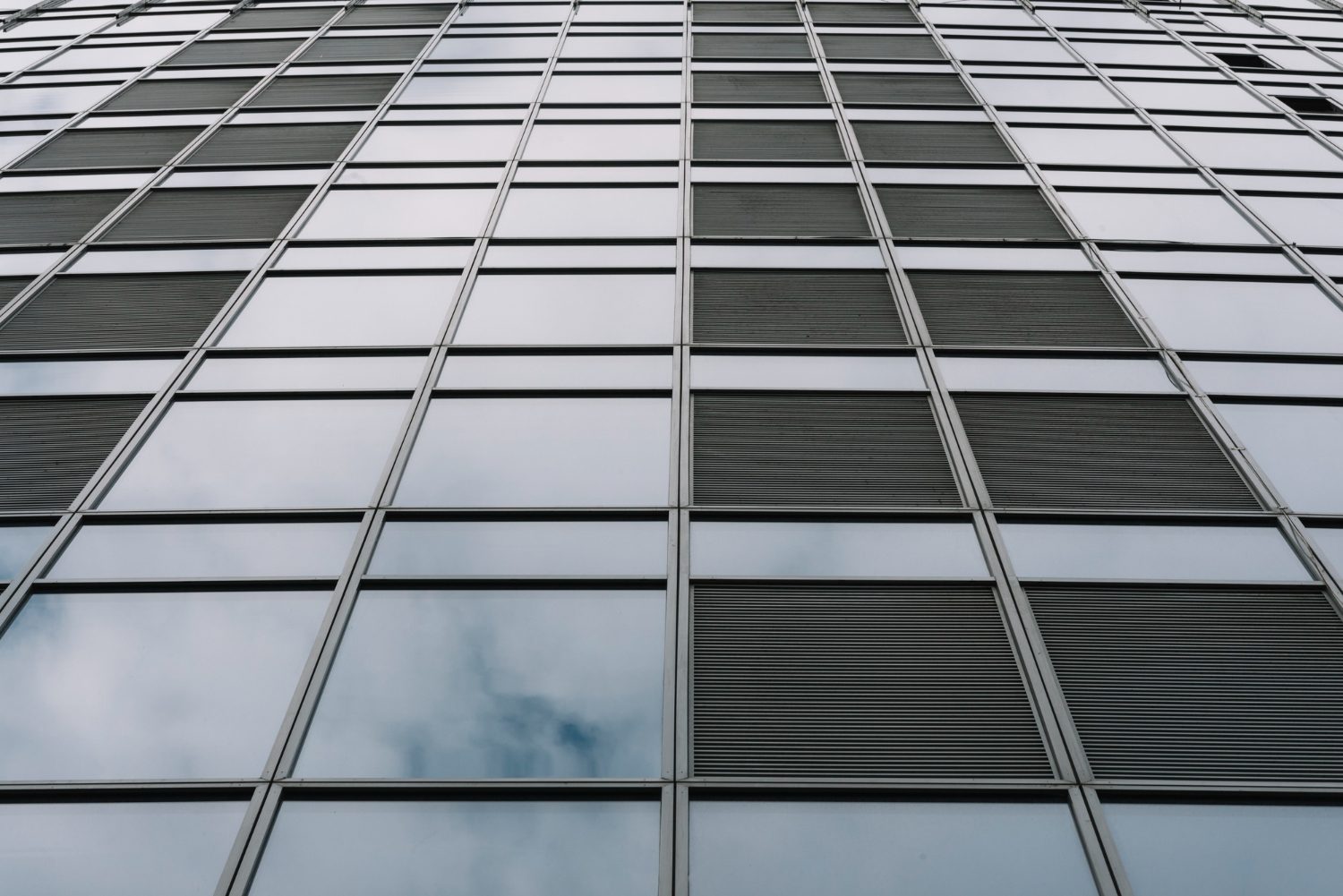
6063: The Architectural Alloy
Appearance & extrudability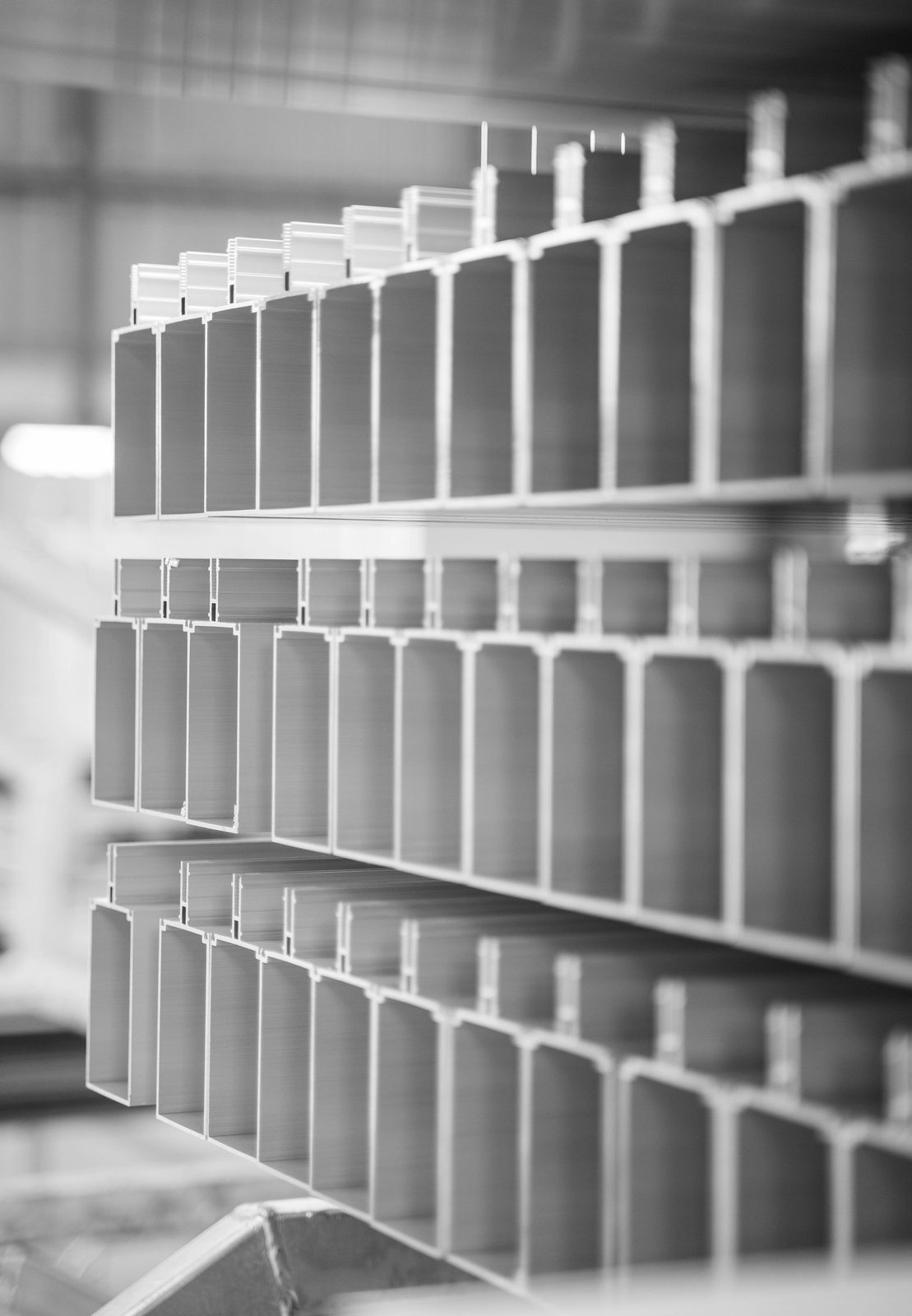
| Application Area | Specific Uses for 6063 |
|---|---|
| Building & Facades | Window/door frames, curtain walls, roofing systems, and siding extrusions. |
| Interior Design | Decorative trim, partition frames, furniture components, and shop fittings. |
| Infrastructure | Handrails, irrigation tubing, and light poles. |
| Electronics | Heat sinks for CPUs/LEDs and specialized electronic equipment housings. |
| Transportation | Automotive trim, roof racks, and decorative panels for buses and rail cars. |
6061: The Structural Alloy
Strength & machinability| Application Area | Specific Uses for 6061 |
|---|---|
| Structural | Beams, support members, scaffolding, and architectural frameworks. |
| Transportation | Truck and railcar frames, bicycle frames, and automotive chassis. |
| Industrial | Jigs, fixtures, machine tool bases, and high-pressure scuba tanks. |
| Aerospace | Wings and fuselages for homebuilt aircraft and non-critical components for commercial jets. |
How to Choose: 6063 or 6061?
General rule: If appearance and extrudability matter most, choose 6063. If structural strength and machinability are most important, choose 6061. When both are critical (e.g. structural curtain walls), consider 6063-T66, which offers enhanced mechanical properties while retaining 6063's surface quality.
Cost: For structural applications requiring thick profiles, 6061's higher strength allows wall thickness to be reduced, saving material costs. 6063 can meet the same loads with thicker walls, though this is less common and reduces its cost savings.
Indian Standards for Aluminium Extrusion Alloys
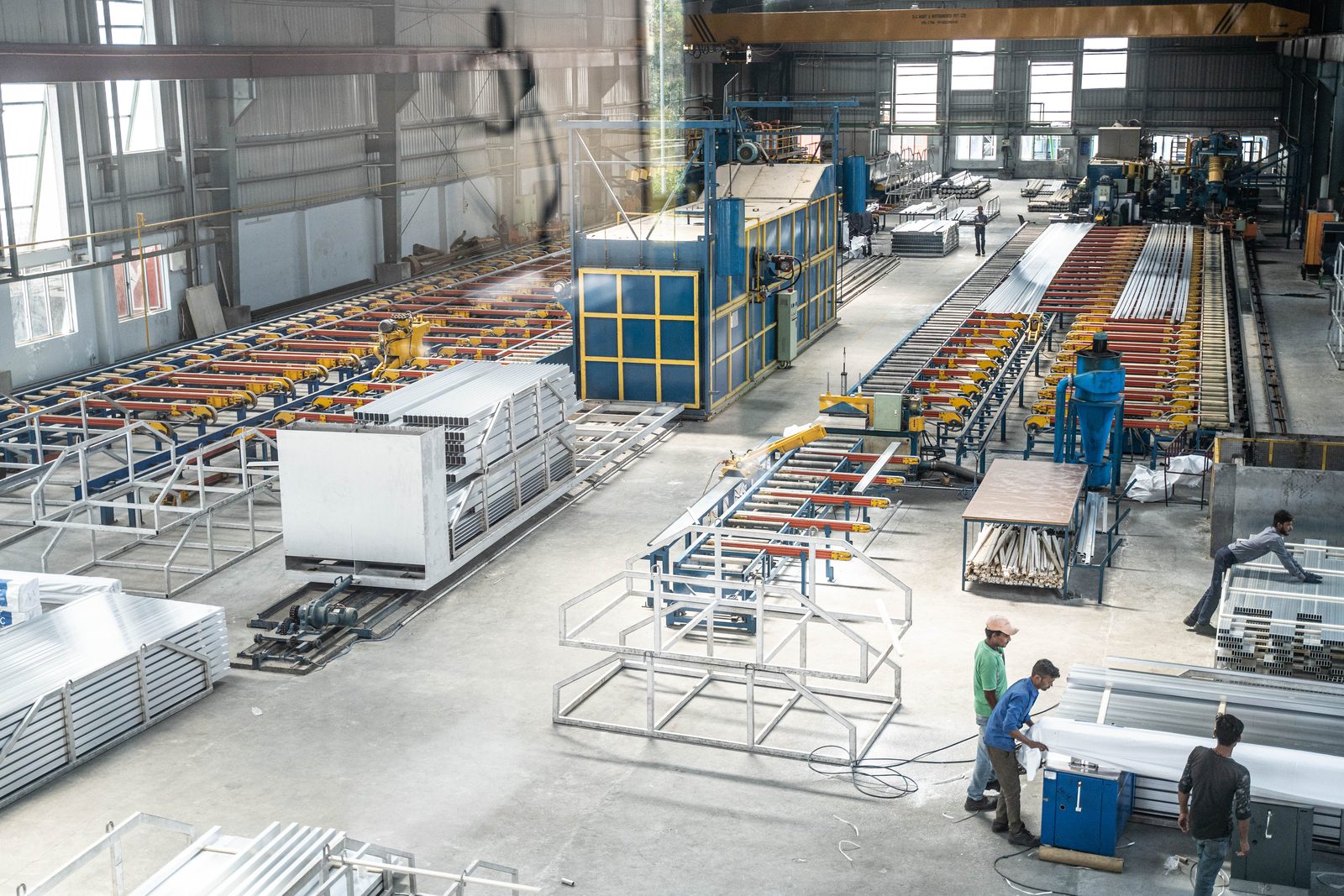
In India, aluminium extrusion alloys like 6063 and 6061 are covered under mandatory BIS certification as part of the Aluminium Quality Control Order.
However, BIS does not use the international 6063/6061 naming directly. Instead, these alloys are identified using Indian designations.
- 6063 is referred to as 63400
- 6061 is referred to as 65032
The most relevant standards for extrusions include:
- IS 733:1983 covers wrought aluminium bars, rods, and aluminium sections for general engineering (applies to both 6063 and 6061)
- IS 1285:2002 covers extruded aluminium tubes and hollow sections
- IS 5082:1998 covers wrought aluminium bars, rods, tubes, and sections for electrical purposes (relevant for 6063 busbars)
- IS 1948:2024 specifies aluminium-framed doors, windows, and sliders
All aluminium extrusions sold in India must carry the BIS Standard Mark (ISI mark) under these standards.
Why Choose Karnataka Metal Company for Aluminium Extrusions?
Choosing the right alloy is only part of the equation. Profile design, tooling precision, and downstream processing play an equally important role in real-world performance.
With over five decades in aluminium and experience in setting up and operating multiple extrusion facilities, Karnataka Metal Company offers integrated capabilities across extrusion, machining, and surface finishing, with better control over quality, consistency, and delivery.
- ISO 9001:2015 & ISO 14001:2015 and BIS/ISI certified, ensuring compliance with quality, environmental, and industry standards
- In-house die design and manufacturing centre, enabling faster development, optimised profile design, and tighter dimensional control
- In-house extrusion presses (1540T and 700T) for better process control and reliable delivery timelines
- Extrusion capability for complex and thin-walled profiles (down to 0.7 mm) with consistent dimensional accuracy
- Experience across 6063, 6060, 6061, 6005, and 6082 alloys in T5, T6, and T66 tempers
- Machining services, including cutting, drilling, punching, tapping, deburring, CNC operations, laser marking, buffing, and precision finishing for ready-to-install components
- Surface finishing, including anodising and related treatments for functional performance and architectural finish quality
- Flexible production, supporting both large project volumes and smaller custom requirements
As an integrated supplier, we provide aluminium profiles, machining services, and glass products under one roof from Bangalore, enabling smoother coordination across project stages.
Get in Touch
Contact us for alloy selection guidance, custom profile design, and competitive pricing.
- Phone: +91 80 2670 9928
- Email: sales@karnatakametal.com
- Visit us: 16 & 17, A.M Road, Kalasipalya Extension, Bangalore 560002
Get in touch for a consultation and quote.