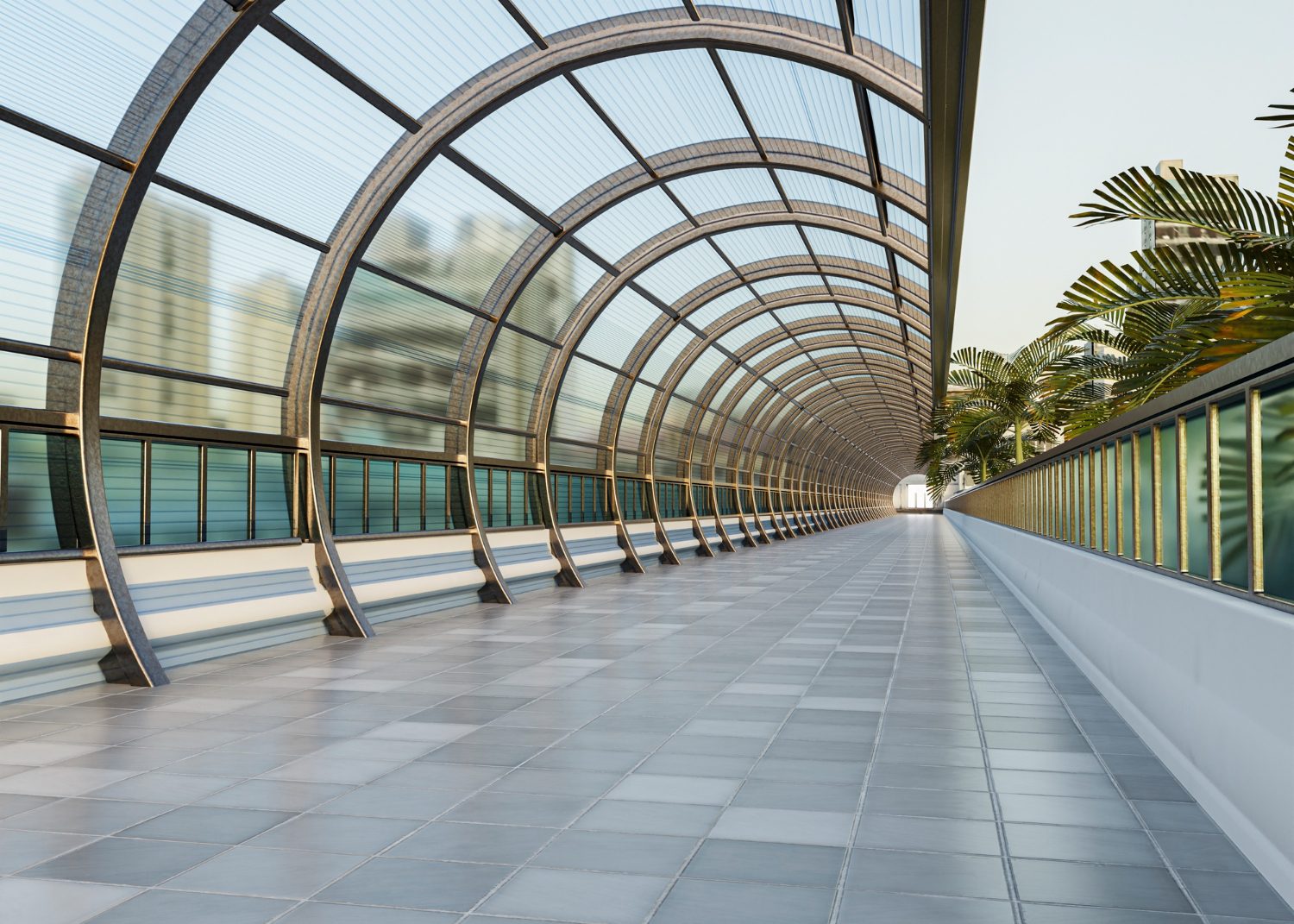
Bending aluminium for curved canopies, handrails, and bus body frames is routine in Indian aluminium fabrication. But the margin for error is small. The wrong temper, too tight a radius, or too thin a wall, and the profile cracks on the machine.
For fabricators, architects, and procurement professionals working with aluminium extrusions and aluminium sections, this guide covers the processes, limits, and practical decisions behind aluminium profile bending.
What Is Aluminium Bending?
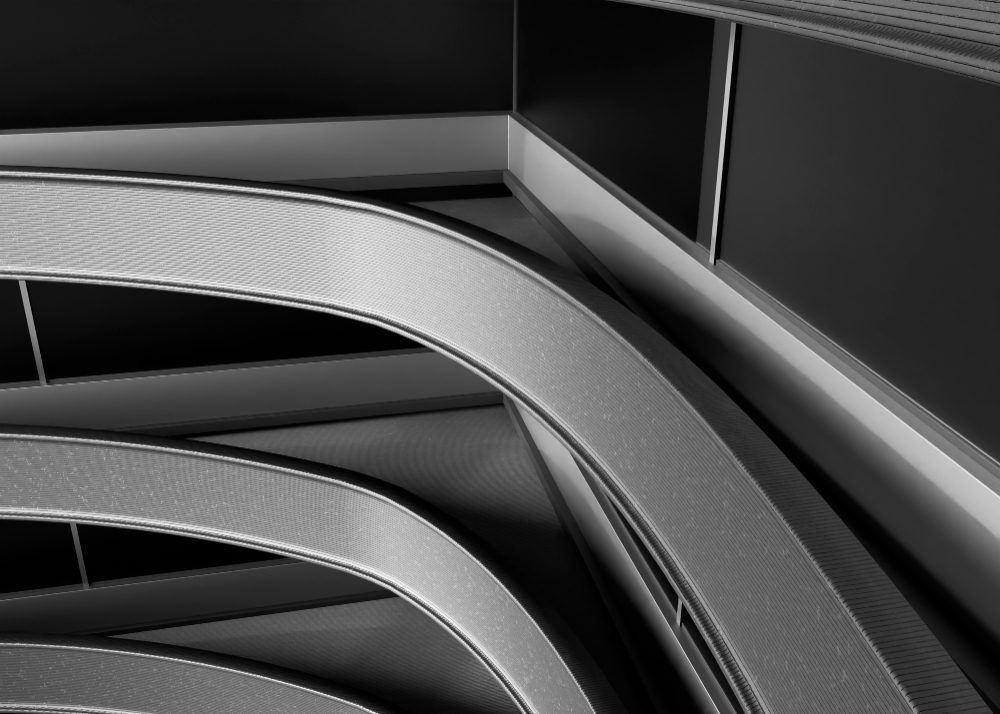
Aluminium bending is the process of shaping aluminium profiles, sheets, or tubes into a curved or angled form without cutting or joining. The aluminium is pushed past the point where it springs back, so it holds the new shape permanently, but not so far that it cracks.
The process depends on the alloy, temper, profile shape, wall thickness, and the required bend radius. Thicker walls, softer tempers, and larger radii make bending easier. Thinner walls, harder tempers, and tighter radii make it harder and increase the risk of defects. The width of the profile in the direction of bending also makes a big impact; wider profiles tend to wrinkle upon bending. This is a core skill in aluminium fabrication for construction and transport projects.
Aluminium Bending Methods
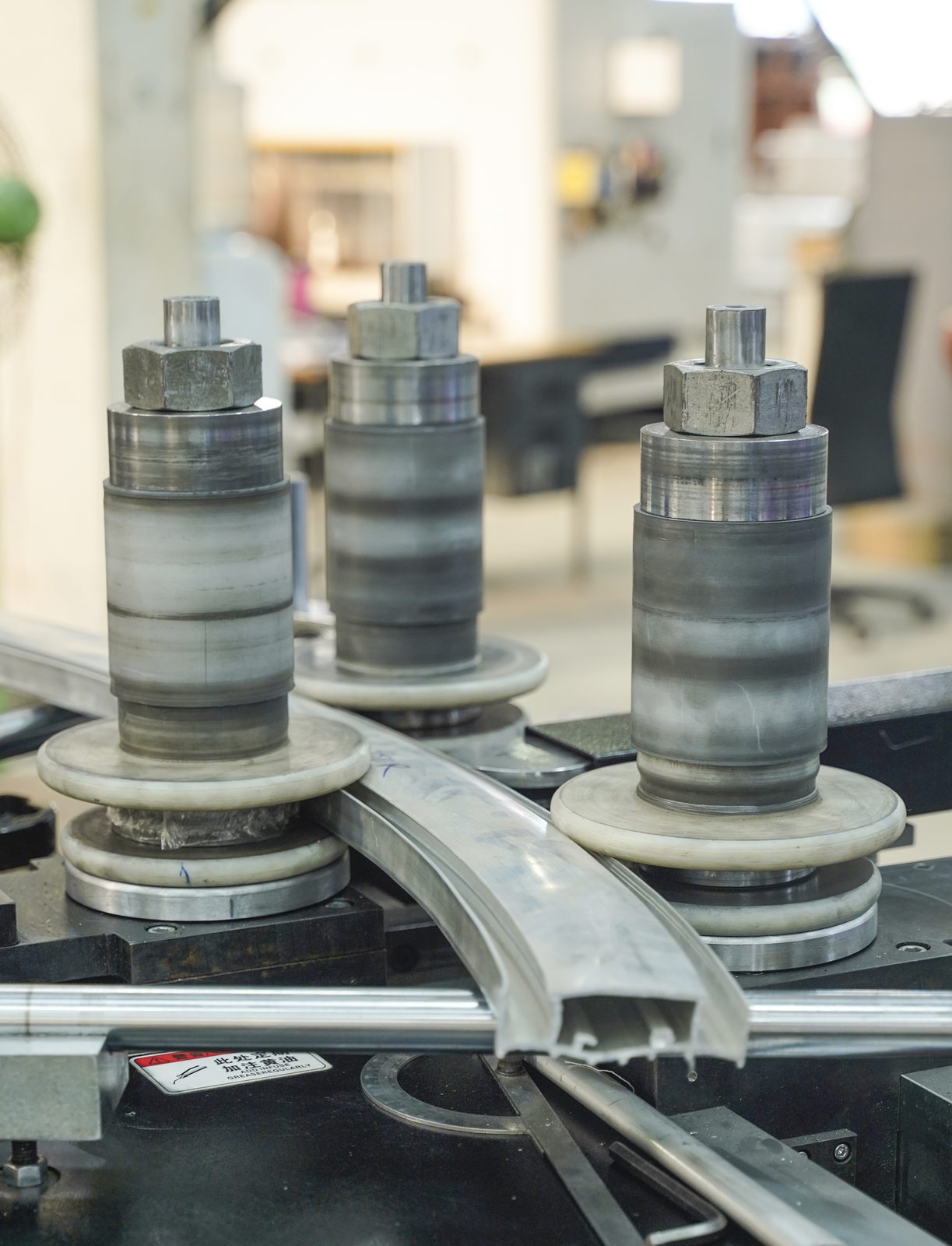
There are several established bending methods, each suited to different profile types, radii, and production volumes.
Roll Bending (Three-Roll or Four-Roll)
The most common method for bending long aluminium profiles and tubes. The profile passes through three or four adjustable rollers, and repeated passes progressively increase the curvature. Handles both large and moderate radii, and works well for circular arcs, spirals, and continuous curves across tubes, angles, channels, and custom sections.
Stretch Bending
The profile is gripped at both ends, pulled tight, and wrapped around a shaped tool of the required radius. The pulling force prevents the inner wall from buckling and the outer wall from wrinkling, producing a cleaner bend with minimal distortion. Preferred for architectural and visible applications where surface finish must be preserved. Stretch bending machines are not commonly available, so this method is typically limited to specialised fabricators.
Press Bending (Ram Bending / Brake Bending)
A hydraulic ram or press brake pushes the material against fixed support points or into a V-die. Suitable for sheet metal, busbars, enclosures, panels, brackets, and formed components, but not for architectural or automotive profiles.
Rotary Draw Bending
The profile is clamped to a rotating tool of a fixed radius and drawn around it while a second tool holds the straight section. Internal supports (mandrels) may be inserted into hollow profiles to prevent them from collapsing. Only suitable for simple tube profiles, as the method requires extensive tooling and is only feasible for simple shapes with large volumes. Tighter radii are possible compared to roll bending.
Minimum Bend Radius: The Critical Design Parameter
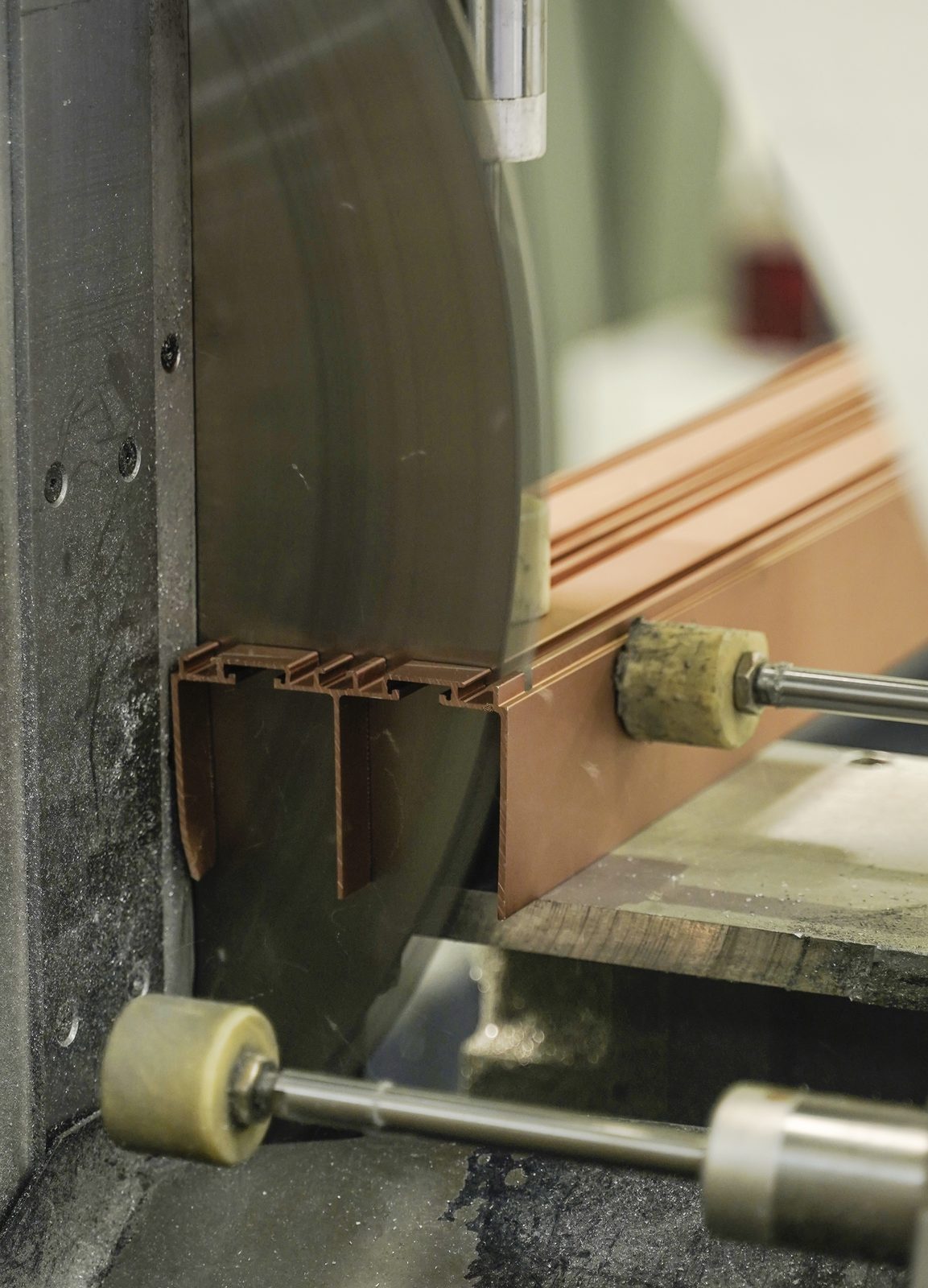
The minimum bend radius is the tightest curve an aluminium profile can achieve without cracking on the outer surface. It is the single most important parameter in any bending specification.
Minimum bend radius depends on:
- Alloy: Softer alloys (6063, 6060) bend more easily than harder alloys (6061, 6082). Higher alloying content increases strength but makes the metal less flexible.
- Temper: T4 and O (annealed) tempers are the easiest to bend. T5 bends reasonably well. T6 and T66 are the hardest to bend and require larger radii to avoid cracking.
- Bus bar bending radius: The minimum bend radius is typically expressed as a multiple of the wall thickness (e.g., 2t means a radius of twice the wall thickness). Thicker sections tolerate tighter radii relative to their size.
- Profile shape: Symmetric, solid, and thick-walled profiles bend more predictably than asymmetric, hollow, or thin-walled profiles, which tend to distort or collapse.
- Bend direction: For profiles that are not symmetric, bending in the narrow plane is easier than bending in the wider plane.
Alloy and Temper Selection for Bending
Alloy and temper choice should be made before the extrusion is ordered, not after, because the bending limits are locked in at the press.
For alloy comparison details, read our guide on 6063 vs 6061 aluminium.
Common Bending Defects and How to Prevent Them
Bending stretches the outer surface and compresses the inner surface. Most defects happen when these forces exceed what the material or profile shape can handle.
| Defect | Cause | Prevention |
|---|---|---|
| Cracking on the outer surface | Bend radius too tight for the alloy/temper, or surface scratches acting as crack starters | Use a softer temper (T4 or O), increase the bend radius, ensure a clean surface with no scratches or nicks before bending |
| Wrinkling on the inner surface | Inner wall buckling under compression | Use stretch bending (pulling force prevents wrinkling), increase wall thickness, or use an internal support for hollow sections |
| Cross-section collapse (flattening) | Hollow profiles losing their shape during bending | Insert an internal support or filler (sand, flexible rod) during bending |
| Springback | Profile partially straightens after the bending force is removed | Over-bend by the expected springback angle (typically 2 to 5 degrees for 6063-T5); use stretch bending to reduce springback |
| Surface marking (tool marks) | Tooling contact leaves impressions on the visible surface | Use polished tooling, apply protective tape or film to the profile before bending |
| Orange peel effect | Rough, textured surface on the outer face after tight bending | Result of over-stretching the outer surface. Use a larger bend radius or a softer temper to reduce stretching |
Bending After Anodising or Powder Coating
Anodised profiles
The anodised coating is hard and brittle. Tight bending after anodising will crack and flake the coating, exposing bare aluminium. For anodised profiles, bending must be done before anodising, or the bend radius must be very generous and confirmed with the fabricator for the specific profile.
Powder-coated profiles
The coating film is more flexible than anodised oxide but can still crack on tight bends. For visible applications, bend before coating.
Applications of Bent Aluminium in India
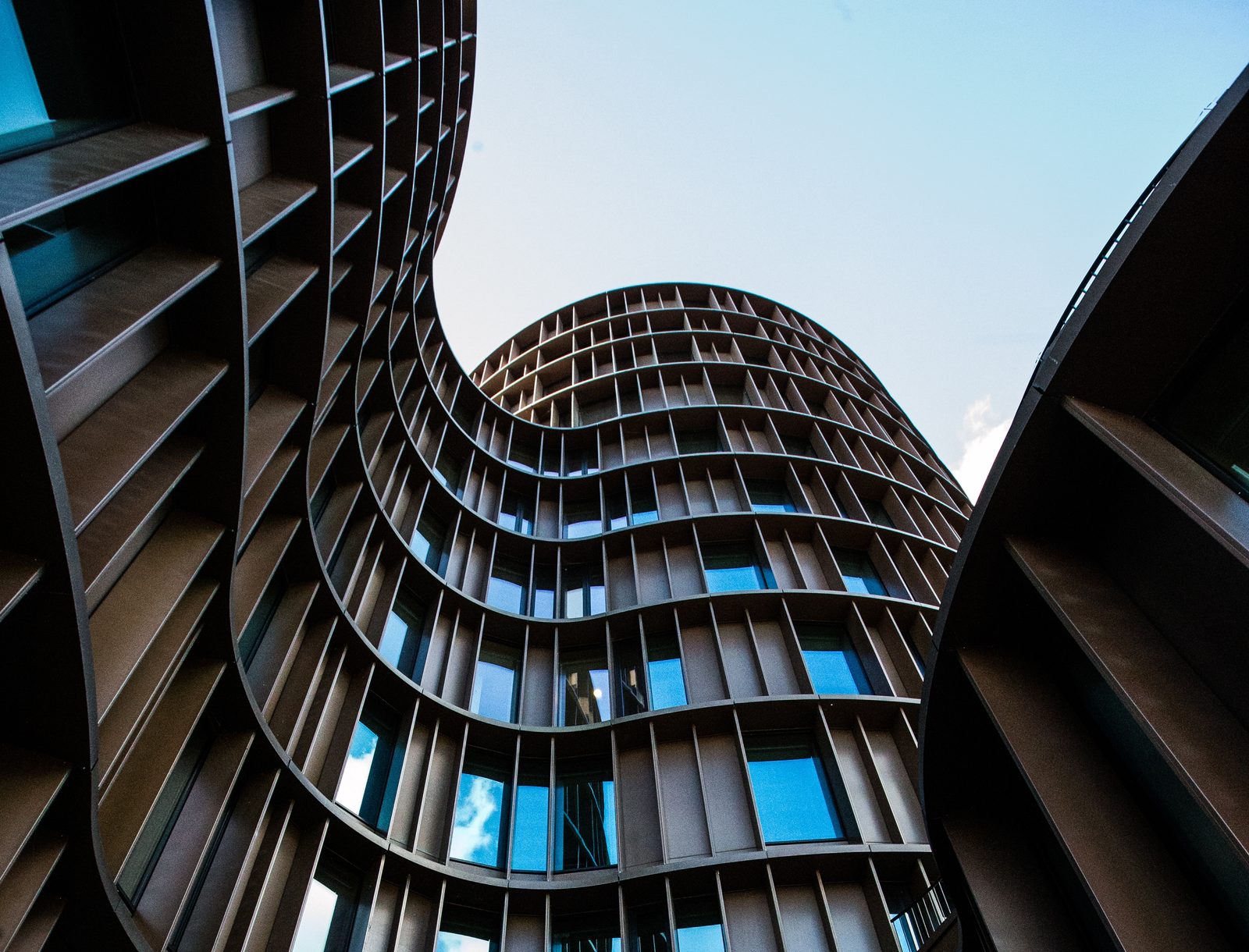
Bent aluminium profiles are used across construction, transport, and industrial sectors: curved curtain wall frames, arched entrance canopies, radiused corner sections, continuous handrails for staircases and balconies, bus body framework curves, rail coach interior trims, and curved solar mounting rails.
Why Choose Karnataka Metal Company for Aluminium Bending and Machining?
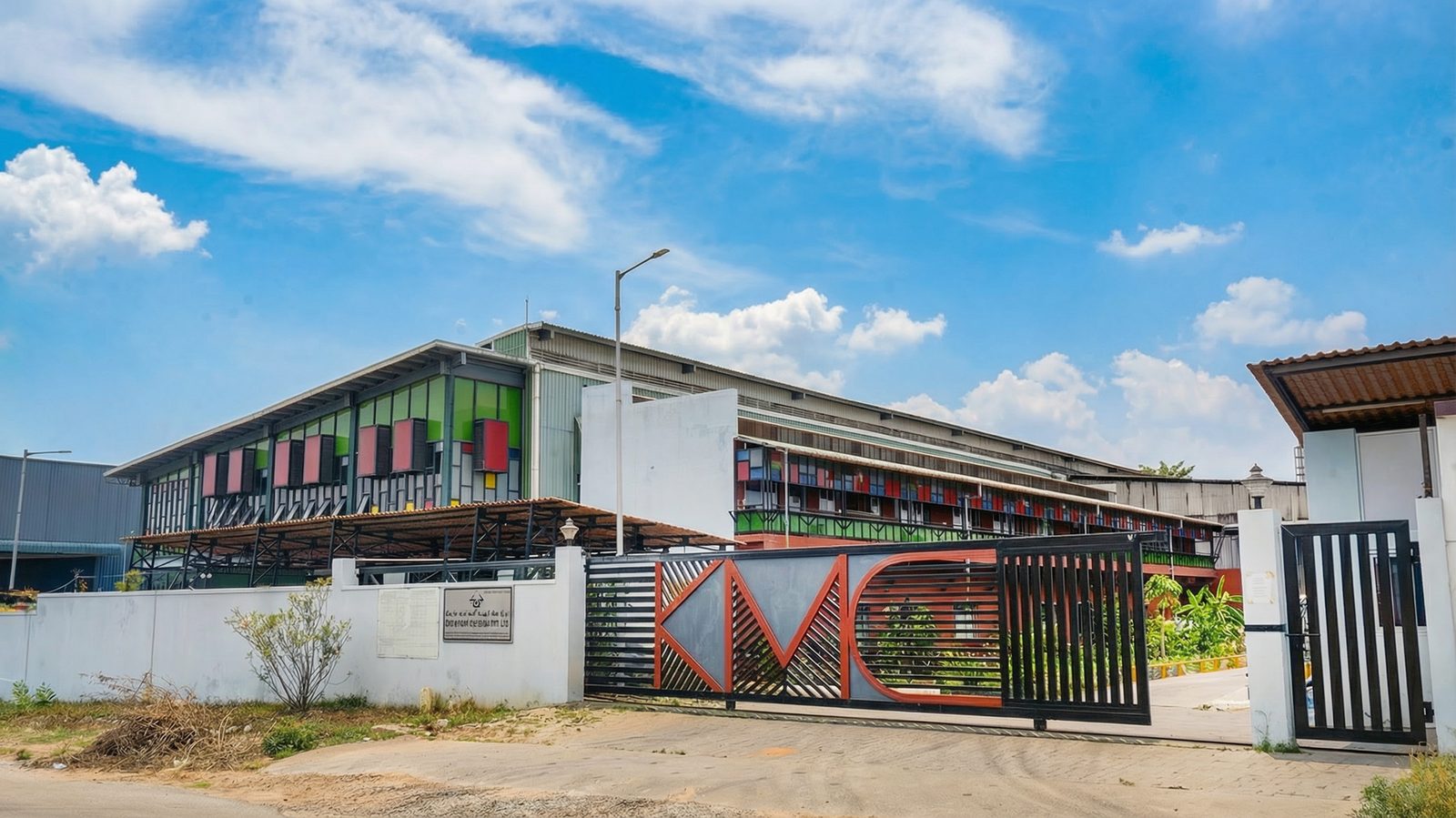
Reliable bending requires control over the full chain: the right alloy and temper from the press, a clean profile surface with no defects, and the right bending tools for the profile shape.
Karnataka Metal Company operates aluminium extrusion and aluminium machining under one roof, enabling alloy and temper selection to be coordinated with bending requirements from the start.
- ISO 9001:2015 & ISO 14001:2015 and BIS/ISI certified facility with in-house tensile and hardness testing
- In-house extrusion (1540T and 700T presses) with controlled quench for T4, T5, T6, and T66 tempers
- In-house aluminium machining: cutting, drilling, punching, tapping, CNC machining, and bending for ready-to-install components
- In-house roll bending machine for curving aluminium profiles on-site
- Multiple alloys for bending: 6063, 6060, 6061, 6005, 6082 available in formable tempers (T4, T5) for bending operations. Our own furnace allows us to control alloy composition accurately and make variations within the envelope of a given alloy standard to achieve better properties for specific bending requirements.
- In-house die design enabling profile geometry to be optimised for bend performance before the die is cut
- Surface finishing: shot blasting and buffing in-house; anodising and powder coating outsourced but fully managed, coordinated with bending sequence to prevent finish damage
- 50,000 sq ft extrusion plant and 35,000 sq ft machining facility in Dabaspet, Bangalore
Because aluminium extrusion, die design, and aluminium machining all operate from the same Bangalore campus, every step from alloy selection to finished bent profile is coordinated under one roof.
Get in Touch
Contact us for aluminium bending and machining guidance, custom profile design, and competitive pricing.
- Phone: +91 80 2670 9928
- Email: sales@karnatakametal.com
- Visit us: 16 & 17, A.M Road, Kalasipalya Extension, Bangalore 560002
Get in touch for a consultation and quote.